xAI Sues Colorado Over AI Regulation Law
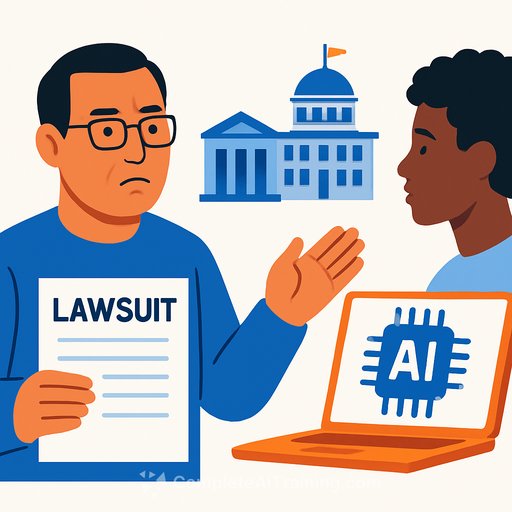
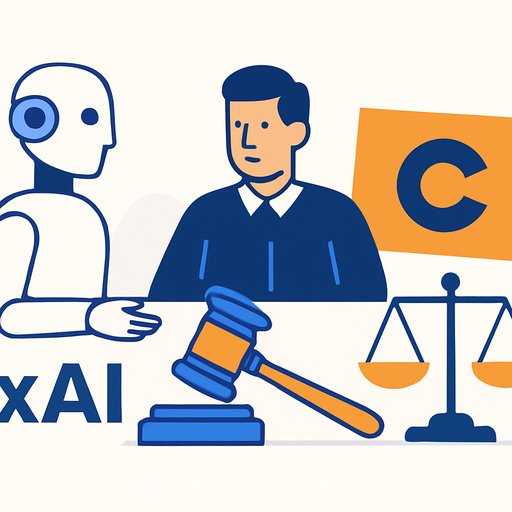
xAI filed a federal lawsuit Thursday to block Colorado from enforcing a new artificial intelligence regulation law, escalating a conflict over whether states or the federal government should oversee AI systems.
The company challenged Senate Bill 24-205, which takes effect June 30. The law requires developers of "high-risk" AI systems to disclose how they work and mitigate potential harms when those systems make decisions about employment, housing, education, health care, and financial services.
xAI argues the law violates the First Amendment by restricting how developers design AI systems and forcing them to make statements on contested public issues. The company says Colorado's requirements would force it to alter Grok, its main AI model, to comply with the state's views on diversity and discrimination rather than remain objective.
Federal vs. State Authority
xAI is asking the U.S. District Court in Colorado to declare the law unconstitutional and block its enforcement. The lawsuit cites White House executive orders criticizing state-level AI regulation and federal warnings that a patchwork of state laws could weaken U.S. AI competitiveness and national security.
"Government regulation that is applied at the state level in a patchwork across the country can have the effect to hamper innovation and deter competition in an open market," xAI said.
The Trump administration's AI advisers favor a unified federal framework over state-by-state rules. Republican lawmakers and some tech companies align with this position.
State Resistance
California's attorney general has warned against relying solely on Congress, pointing to years of delays on data privacy and technology laws. The Colorado Attorney General's Office declined to comment on the lawsuit.
For legal professionals, this case represents a fundamental question about regulatory authority in AI governance. As states continue drafting their own AI laws, companies will likely challenge them in court, creating uncertainty for compliance officers and in-house counsel. Understanding how courts resolve these constitutional questions will shape how organizations approach AI compliance across multiple jurisdictions.
For more on AI regulation and compliance, see our resources on AI for Legal professionals.
Your membership also unlocks: