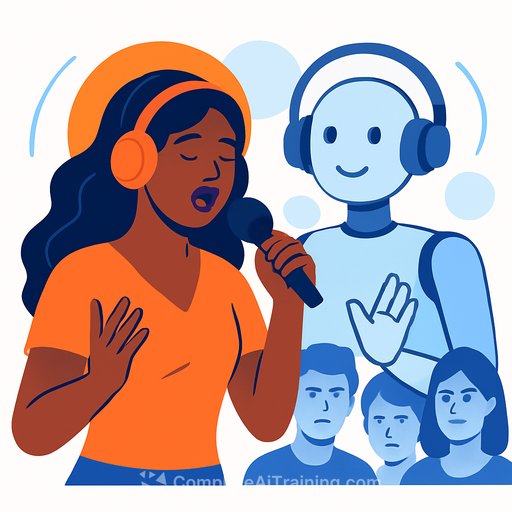
Xania Monet Sparks Debate Over AI Usage In The Music Industry
AI is creeping into creative work faster than most artists can process. The latest flashpoint: Xania Monet, an AI-generated R&B singer created by Telisha Jones, who reportedly signed a $3 million deal with Hallwood Media and hit No. 1 on Billboard's R&B Digital Song Sales with "How Was I Supposed To Know?".
For many musicians, this isn't exciting-it's a warning sign. When a synthetic act can top charts without the grind, the studio time, or the credits, it raises a serious question: where does that leave working artists?
Why this hits a nerve for creatives
Inspiration is normal. Imitation happens. But AI systems trained on human-made music without clear permission or payment feel like a different game entirely.
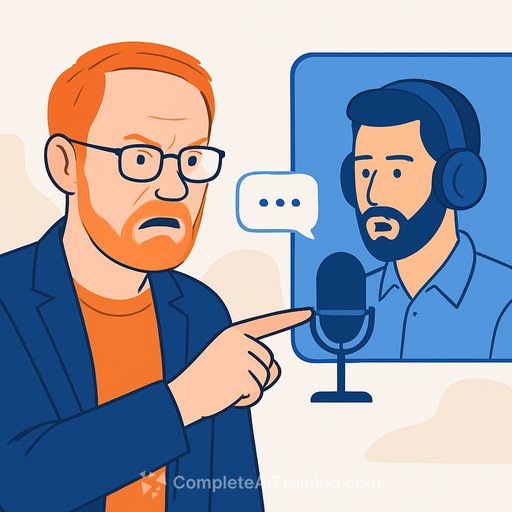
Kehlani put it bluntly in a now-deleted TikTok: "It can make the entire song, it can sing the entire song, it can make the entire beat, and they don't have to credit anyone." SZA and others have echoed similar concerns. The fear isn't hypothetical; it's about eroding credit, consent, and income.
The legal pressure is growing
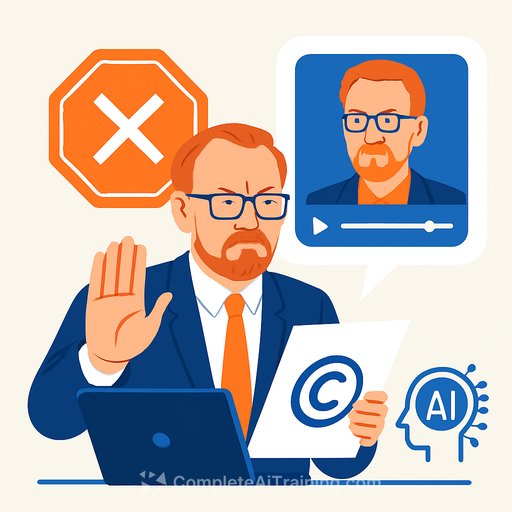
AI music generators are starting to face the heat. Suno-the app Jones says helped shape Xania-has been named in a mass copyright lawsuit backed by major labels like Sony Music Group and Universal Music Group.
If you want context on the legal push, see the Recording Industry Association of America's updates on AI and copyright enforcement: RIAA on AI. And for broader economic risk projections for creators, the International Confederation of Societies of Authors and Composers has published ongoing work on AI's impact: CISAC.
What worries artists right now
- Training without consent: Models learn from human-made songs but don't credit or compensate those sources.
- Style mimicry: Vocals and arrangements can echo living artists closely enough to confuse listeners.
- Opaque ownership: Who owns the master, the model, the prompt-and the revenue?
- Market flooding: Cheap, endless output can drown out human releases and undercut rates.
Practical moves for working creatives
Complaints won't protect your catalog or your income. Action will. Start here.
- Add "no AI training" clauses to split sheets, production agreements, and sample licenses. Spell out model training, cloning, and dataset use.
- Use provenance tools: watermark stems, keep dated project files, and register works promptly to prove authorship.
- Publish a clear AI policy: what you permit (e.g., workflow helpers), what you forbid (voice cloning, uncredited model training), and how you credit collaborators.
- License your voice and likeness on your terms or publicly prohibit cloning. Make your stance easy to find.
- Own the fan relationship: build email/SMS lists and private communities so algorithms can't gate your access to listeners.
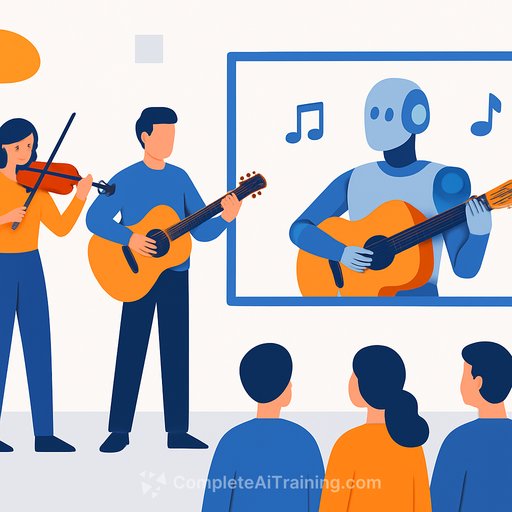
- Focus on the parts AI can't fake: live performance, candid process, storytelling, and collaboration. That's your moat.
- Audit your workflow: if you use AI, keep it as a tool-not a ghostwriter. Document where it's used and keep human-led composition at the core.
- Stay close to the law: watch emerging "voice rights," training consent standards, and collective bargaining efforts in your region.
How to use AI without losing your voice
- Sketch, don't ship: use AI for idea starters, then rewrite and re-record with your voice, your players, your mix.
- Credit the machine like a plugin: list tools used and keep the human creators front and center.
- Protect your stems: share previews, not full-quality acapellas, unless you trust the counterpart and the contract.
The bigger picture
A study cited by the International Confederation of Societies of Authors and Composers warns that music and audiovisual creators could lose a significant share of revenue by 2028 due to AI displacement. Whether AI acts like Xania Monet become a permanent fixture or a phase, the signal is clear: protect your IP, control your distribution, and make work that carries your fingerprint.
If you're exploring ethical, skill-building uses of AI for creative work, you can browse curated options here: AI courses by job.
Bottom line
Labels want scalable, controllable output. Artists want consent, credit, and pay. If you're a creative, don't wait for the industry to solve this. Set your rules, update your contracts, and double down on the human elements that audiences actually care about.
Your membership also unlocks: