Xano 2.0 and AI-Powered Development: Key Findings
AI made backend work faster. Xano 2.0 pushes it further by turning plain language into clear, editable logic that ships. The key shift: speed with visibility, so teams move fast without stacking hidden debt.
Positioned as a production-grade backend that moves at AI speed, Xano's latest release is less hype and more practical scaffolding. With most developers already using AI tools, guardrails aren't optional-they're table stakes.
What "AI speed" looks like in practice
- Logic Assistant: Conversational drafting, refinement, and troubleshooting of backend logic. Great for early passes that developers can shape and harden.
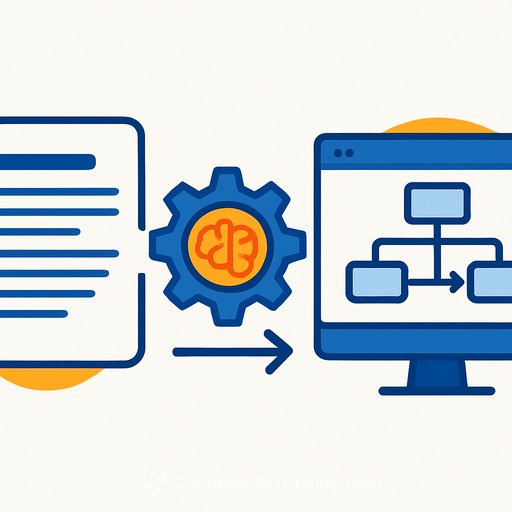
- XanoScript: Natural-language scripting that turns plain English into functional instructions. Fewer hops from idea to working logic.
- Xano MCP & Metadata API: Exposes project structure, logic, and data models through a standard interface. Enables customization, auto-docs, and steadier AI-assisted changes.
- Canvas View: A visual, node-based builder that makes AI-generated functions easy to see, edit, and validate.
- Co-creation across modalities: Code where you want, prompt where it helps-everything stays in sync on one compliant platform.
If you want a closer look at the platform itself, check out Xano. For context on AI adoption, see the Stack Overflow Developer Survey on AI tool usage here.
Speed without losing control
Speed is valuable. Controlled speed wins projects. When AI drafts logic in seconds, teams need to see it, shape it, and correct it before small issues turn into costly refactors.
Logic Assistant and XanoScript produce drafts that read like a conversation, which makes auditing easier. Canvas View adds transparency that AI tooling usually lacks, so you can spot odd branches and naming drift before they spread.
- Feature drafts arrive earlier: Less time on upfront wireframes, more on refinement and validation.
- Integrations get cleaner: Let AI sketch connectors while developers handle auth, edge cases, and data hygiene.
- Business rules translate faster: Non-technical teams can propose logic in natural language for engineers to validate.
Architecture that can absorb AI acceleration
When AI handles the first 80%, the last 20% becomes the difference between "it runs" and "it scales." As Malay Parekh, CEO at Unico Connect, puts it: "When AI starts doing the first 80%, developers need to get very intentional about the last 20%."
That last mile is where you lock in naming, consistency, versioning, test coverage, performance, and security. The stack has to be ready for the pace you're inviting in.
How teams should adapt
- 1) Adopt a human-first logic mindset: AI can draft, but humans must define the business rules with precision. Clarity in intent reduces surprises in behavior.
- 2) Build structure into the workflow: Treat AI output like an editorial draft. One prompt for the draft, one review for assumptions, another pass for naming, versions, and tests. Keep a rhythm that prevents quiet tech debt.
- 3) Maintain cross-team alignment: Product, engineering, and stakeholders should review the same logic in the same interface. AI speeds drafts; people keep direction.
Practical next steps to try this week
- Pick one feature and let Logic Assistant create the first pass. Timebox to 30-60 minutes.
- Define naming conventions for functions, variables, and errors. Enforce them in reviews.
- Use Canvas View for a visual check before merging. Flag branches that feel brittle.
- Expose models and flows via Xano MCP & Metadata API. Auto-generate docs so AI and humans share the same map.
- Add lightweight tests for the AI-generated blocks. Focus on inputs, edge cases, and failure paths.
- Track three metrics: cycle time per feature, defects per release, rework from unclear logic. Improve process, not just prompts.
The takeaway
AI will write a larger share of backends. The winning teams will pair that speed with clear logic, steady governance, and a culture that rewards clean decisions over frantic output. Let AI draft. Let humans direct, review, and own quality.
If you're formalizing your AI workflow and want structured upskilling, explore focused programs here: AI Certification for Coding.
Your membership also unlocks: