
AI news ·
Yum Brands uses AI and predictive research to develop menu items across its restaurant chains
Yum Brands uses an AI-powered database of 7,000+ tested concepts to predict which menu items will sell across Taco Bell, KFC, and Pizza Hut. The system asks consumers to forecast others' reactions, rather than just their own preferences.
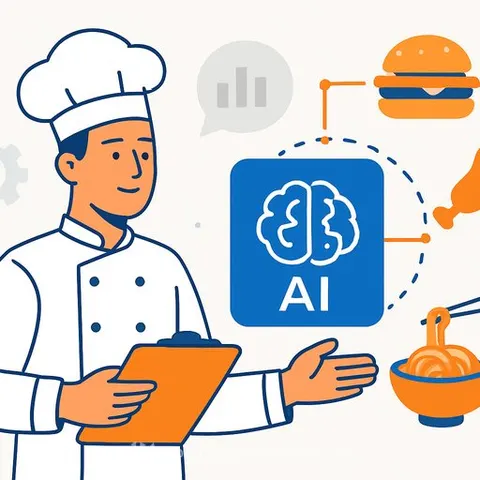
Yum Brands Builds AI System to Predict Menu Winners Across Restaurant Chains
Yum Brands uses artificial intelligence and predictive market research to identify which menu items will succeed across Taco Bell, KFC, Pizza Hut, and Habit Burger. The company disclosed the practice to Axios in June 2026.
The approach addresses a persistent problem in restaurant operations: new menu development costs millions of dollars with no guarantee customers will buy the product. Yum's system reduces that uncertainty by testing concepts before committing resources to production and marketing.
How the System Works
Yum's Global Innovation Database, built by Collider Lab (the company's internal strategy and innovation group), contains over 7,000 food, beverage, and marketing concepts tested across 35 countries. The database uses data analysis and predictive market research methods that ask consumers to forecast how others will respond to concepts, rather than relying solely on traditional consumer surveys.
Greg Dzurik, Yum's vice president of marketing and innovation strategy, said the predictive approach differs from asking consumers directly what they want. The system identifies patterns across markets and brands that individual market research might miss.
Products Shaped by the Database
The system has informed specific launches: Pizza Hut Melts, KFC shakes, and KFC Saucy (where the company tested both product concepts and potential names before release). At Taco Bell, the database guided beverage innovation-a category that generated over 950 million unit sales in 2025.
Liz Matthews, Yum's Global Chief Food Innovation Officer, said Taco Bell aims to build a $5 billion beverage business by 2030, expanding through initiatives like Live Mas Cafe. Beverages have become a key growth driver for the chain.
Broader Industry Trend
Yum's approach fits a wider pattern of restaurant chains integrating AI into operations. McDonald's uses AI for personalization, while Wendy's deployed FreshAI technology for drive-thru ordering.
The database has identified consumer shifts toward snackable foods, protein-focused products, and specialty beverages. Ken Muench, Yum's chief marketing officer, said the system creates a competitive advantage by allowing teams to share learnings across brands and markets.
AI as Tool, Not Replacement
Muench cautioned against overreliance on AI for decision-making. He said the company views AI as a tool that complements human creativity rather than replacing it, noting that excessive dependence on automated systems can produce marketing that becomes standard, predictable, and less distinctive.
Each concept tested in the database makes the system smarter over time, creating what Muench described as an innovation engine that competitors find difficult to replicate.
Yum executives noted that consumer tastes now shift globally within weeks-a pace that previously took years. The database helps the company track and respond to those changes across its portfolio.