Zambia tests AI-powered learning in schools
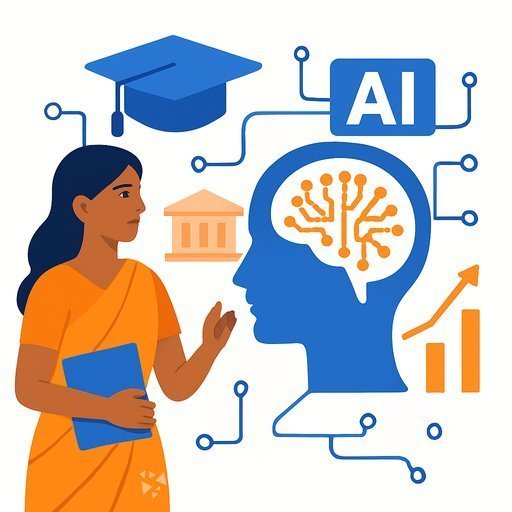
Zambia's Ministry of Technology and Science has signed an MoU with Obrizum Group to pilot AI in secondary schools and Technical Education, Vocational and Entrepreneurship Training (TEVET) institutions. The goal is clear: improve access, raise learning outcomes, and make teaching more effective with data-informed tools.
Speaking at the signing in Lusaka, Obrizum Group CEO Dr. Chibeza Agley said, "This collaboration will focus on piloting AI-driven learning solutions designed to transform the education experience for learners and educators alike." The initial rollout targets secondary school learners, with expansion to TEVET students and trainers to follow.
Minister of Technology and Science Felix Mutati highlighted the equity angle. "Technology has the potential to bridge educational inequalities by ensuring that the quality of education is not determined by geographical location," he said. With AI, learning can be personalized to fit each student's needs, rural or urban.
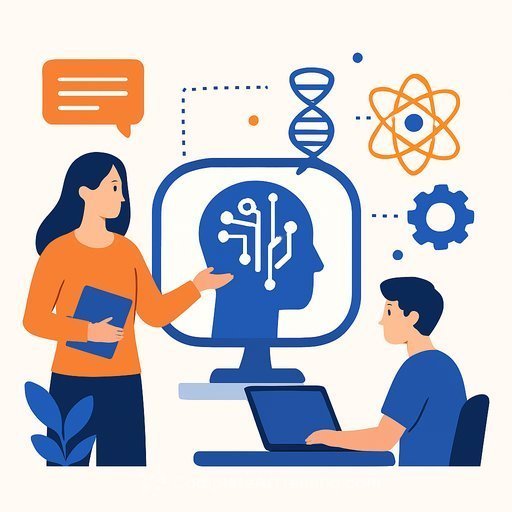
Mutati added that AI tools can help teachers pinpoint strengths and gaps for every learner. With data insights, educators can adjust lessons faster and support students with precision. This moves classrooms from one-size-fits-all to more responsive instruction.
What this means for school leaders and TEVET institutions
- Teacher workload: Expect less time spent on grading and basic feedback, more on coaching and targeted intervention.
- Learning continuity: Adaptive practice can help students keep pace, even with uneven attendance or limited specialist teachers.
- Equity: Personalization can counter resource gaps between regions-if connectivity and device access are addressed.
- Assessment: Real-time analytics will surface trends sooner, guiding remediation before exams.
- Professional development: Teachers will need ongoing training to interpret data, vet AI outputs, and redesign tasks.
- Governance: Clear policies on data privacy, model transparency, and academic integrity must be in place from day one.
Practical steps to prepare now
- Run a quick infrastructure audit: bandwidth per classroom, device ratios, charging and maintenance plans.
- Pick one high-impact use case to pilot first (e.g., adaptive practice in math, automated formative feedback in English).
- Create a small pilot cohort with clear success metrics: learning gains, teacher time saved, usability feedback.
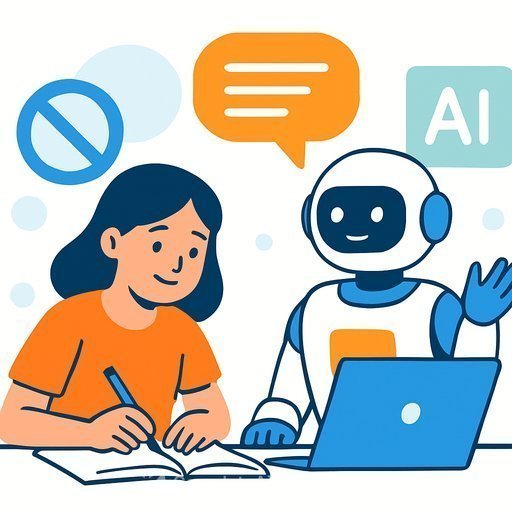
- Train teachers on prompt-writing basics, rubric-driven feedback, and spotting AI errors or bias.
- Establish data rules: what is collected, who sees it, how long it's stored, and parent/student consent flows.
- Plan for low-connectivity settings: offline modes, local caching, and printable fallbacks.
Timeline and signals to watch
The pilot is expected to start next month. Watch for details on school selection, subjects in scope, teacher training hours, offline capability for rural areas, and how the Ministry will evaluate outcomes before scaling.
This move fits with Zambia's broader push to strengthen education, following a 2024 partnership with Google to set up an AI Center of Excellence at the University of Zambia. For background on the institution, see University of Zambia.
For educators who want a head start
If your school expects to join the rollout, start building staff confidence now. A focused starting point: AI Learning Path for Secondary School Teachers for practical classroom integration.
The opportunity is real: better insights, faster feedback, and more time for teaching. The risk is rolling out tools without training, policy, or infrastructure. Prepare on those three fronts, and this pilot can deliver measurable gains for learners and teachers.
Your membership also unlocks: