Zuckerberg Develops AI Agent to Streamline Meta's Management Structure
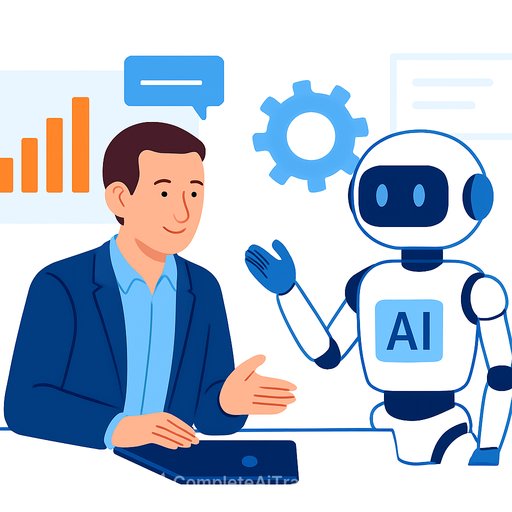
Mark Zuckerberg is building an artificial intelligence agent designed to assist in running Meta, with the stated goal of reducing management layers and speeding up decision-making. The system would analyze data, support strategic choices, and potentially automate certain management functions.
The initiative reflects a broader shift among major technology companies to embed AI directly into core business operations. By flattening organizational structures, Meta aims to create a more responsive environment that can adapt quickly to market shifts.
How the AI Agent Would Work
The system would handle internal workflows by processing large datasets faster than traditional review cycles allow. This capability could eliminate bottlenecks created by multiple approval layers.
Automation of routine management tasks-scheduling decisions, data synthesis, performance tracking-would free senior staff to focus on strategy rather than administration.
What This Means for Managers
Flatter hierarchies typically mean fewer middle-management positions. Remaining managers would likely shift toward oversight and strategic work rather than approval gatekeeping.
Decision velocity matters in competitive markets. An AI system that surfaces relevant data and options faster could give Meta an edge in responding to competitive moves or market changes.
For managers at other companies watching this move, the question becomes whether similar structures make sense for their own operations. Learn more about AI for Management and how AI Agents & Automation are reshaping how organizations function.
Real Challenges Ahead
Implementing AI in management decisions raises practical questions: How reliable is the system under novel conditions? Who is accountable when an AI recommendation leads to poor outcomes? How do you maintain organizational culture when key decisions move through algorithms?
These aren't marketing problems. They're operational risks that need solving before this scales across the company.
Industry Context
Tech companies are investing heavily in AI integration across business functions. Meta's move is notable because it targets the management layer itself-typically considered too complex or politically sensitive for automation.
If successful, the model could influence how other large organizations structure their operations and allocate management roles.
Your membership also unlocks: