About AI YC interview with Gstack agents
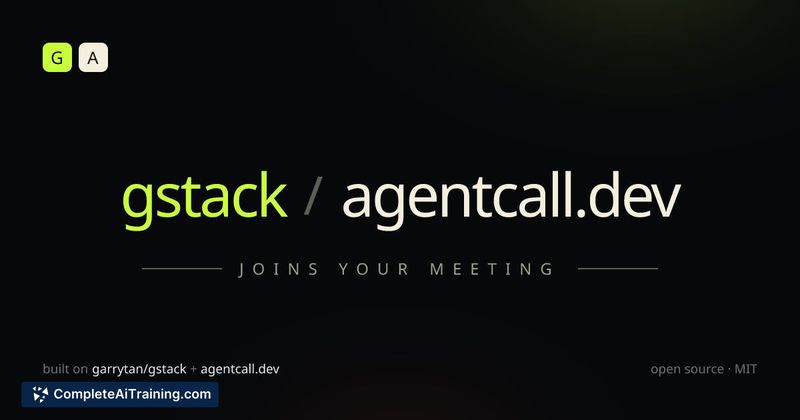
AI YC interview with Gstack agents is a free, open-source tool that sends AI personas into your Google Meet calls as voice bots with 3D avatars. These personas-including a YC-office-hours partner, a CEO, a CSO, and a QA Lead-speak aloud, critique anything you share on screen, and post notes in the meeting chat. The system runs on your own coding-agent session (Claude Code, Cursor, or Codex) on your local machine, so no audio or files leave your device.
Review
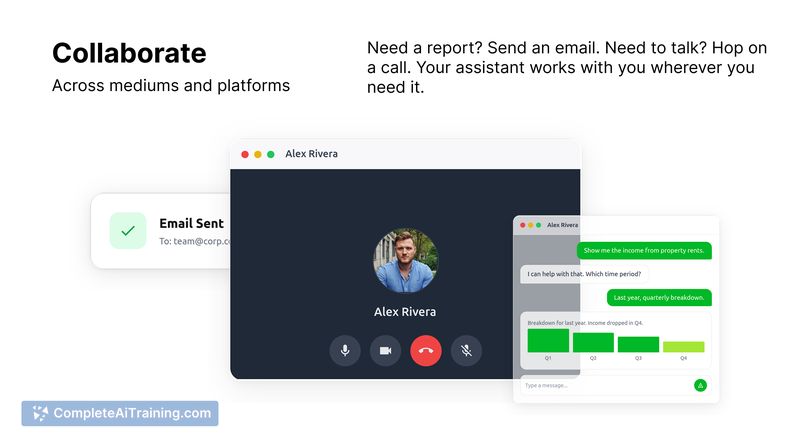
The tool puts AI agents directly into a live meeting, not as silent notetakers but as active participants. The YC-partner persona typically opens with "what are you working on, and who actually wants it?" while the senior-designer persona scores your shared screen out loud. Everything is built on the open-source AgentCall API, and the MIT-licensed project lives at github.com/pattern-ai-labs/gstack-joins-meeting.
Key Features
- AI personas join Google Meet as voice bots with 3D avatars, take turns speaking, and critique shared screens in real time.
- The "brain" is your own coding-agent session (Claude Code, Cursor, or Codex) running on your machine - transcripts stream in memory and are discarded after each call.
- Personas can drop structured feedback (scores, points) directly into the Meet chat while the conversation continues.
- The entire platform and the Garry Tan‑credited personas are MIT-licensed and open source.
- The AgentCall API lets developers bring their own custom agents into a meeting, with raw transcript chunks delivered in real time.
Pricing and Value
The tool is free to use, with no credit card required. The codebase and personas are MIT-licensed, so you can run it locally, modify it, or integrate it without licensing fees. The shared brain pool - a hosted option - is currently at capacity due to heavy usage, but local brain setup remains available.
Pros
- All processing stays on your machine; audio and files never leave the device, and transcripts are held only in memory during the call.
- Open-source MIT license covers both the platform and the Garry Tan-sourced personas, giving full transparency and modification rights.
- Self-learning behavior: you can ask the agents to resolve issues they encounter, and they will attempt to fix them on the fly.
- Multiple personas can coexist in the same meeting, each with a distinct role and critique style.
- The AgentCall API exposes raw transcript streaming, making it possible to build agents that respond with low latency during fast conversations.
Cons
- The shared brain pool can hit capacity during peak use, forcing users to clone the repo and run a local brain session instead.
- The tool is tied to Google Meet; it does not support other conferencing platforms.
- Not well suited for users who don't have a coding-agent environment (Claude Code, Cursor, etc.) already running, because the tool requires a local brain session to operate.
For developers comfortable with coding agents and Google Meet, this setup gives live, spoken feedback on pitch decks, UIs, or product demos without routing sensitive data through external servers. The privacy model and MIT license may appeal to teams that need to keep meeting content strictly on-device. While the tool is a demo of AgentCall, it shows what happens when AI agents move from silent observers to outspoken participants.
Open 'AI YC interview with Gstack agents' Website
Your membership also unlocks: