AI tool
aperture
aperture: bypass ATS keyword filters by showcasing verified skills and work samples, turning resumes into measurable evidence so hiring teams see real ability and qualified candidates get the interviews they deserve.
About aperture
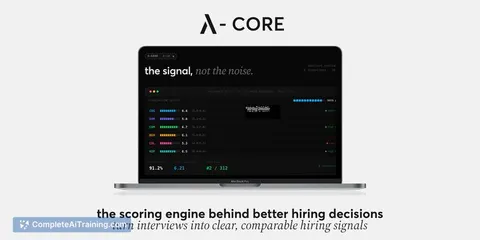
aperture is an AI hiring platform that replaces resume-first screening with AI-led behavioral interviews and comparative ranking. It evaluates candidates on how they perform relative to others in the same pool, giving teams a clearer signal of who stands out before investing time in interviews.
Review
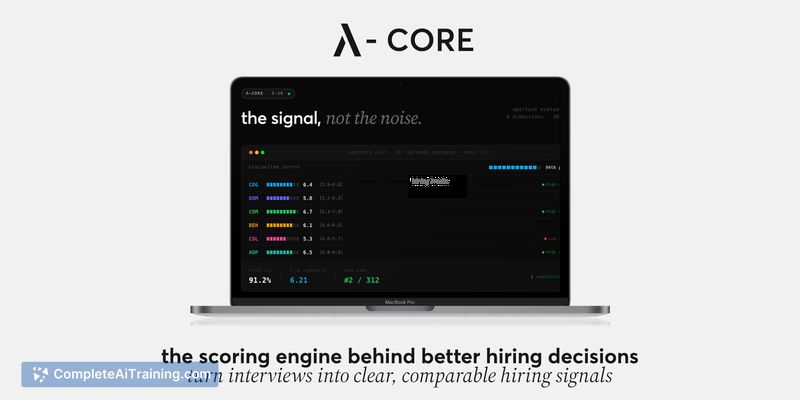
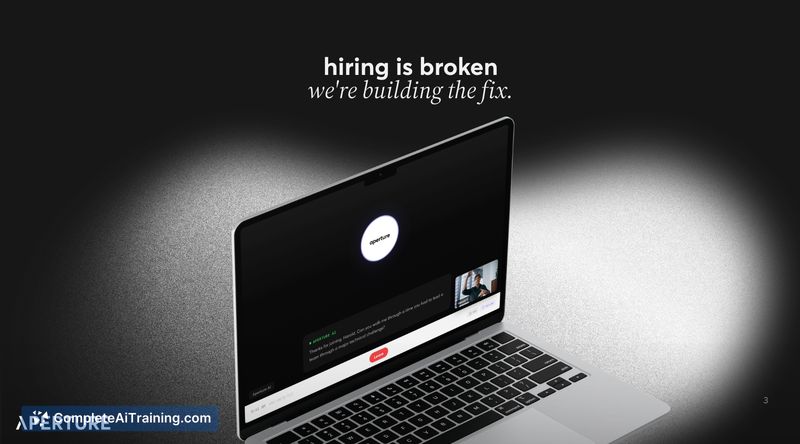
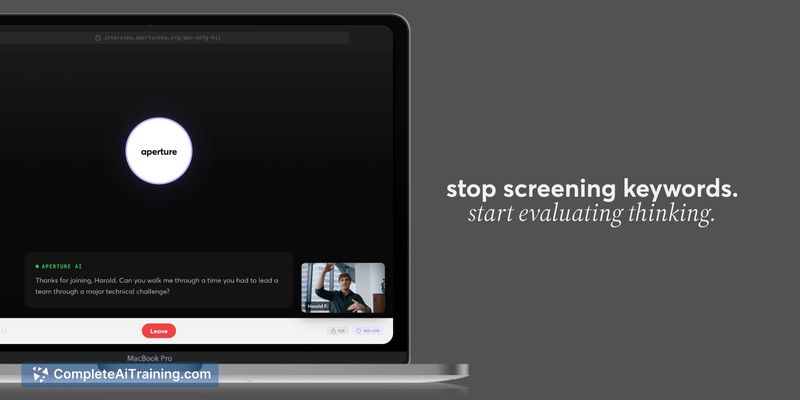
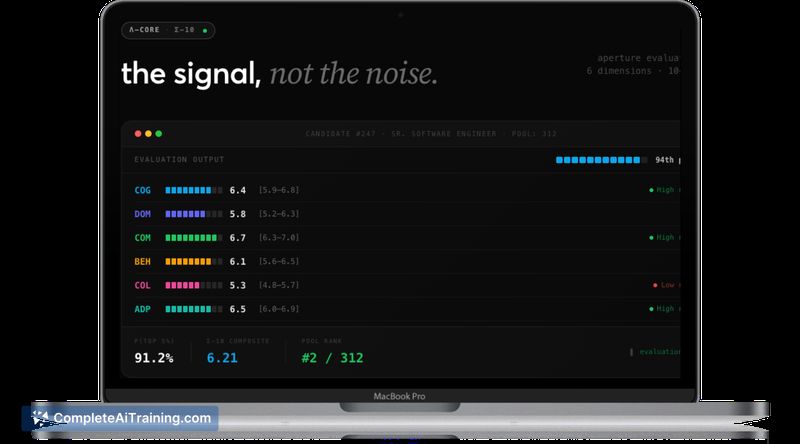
The platform targets a common hiring problem: resumes and keyword-based filters often miss capable candidates. By using simulated interviews and comparative assessment, aperture aims to surface candidates who demonstrate problem-solving, communication, and depth in responses rather than relying on resume keywords alone.
Key Features
- AI-led behavioral interviews that capture how candidates respond to scenario and problem prompts.
- Comparative ranking model that evaluates candidates relative to the applicant pool and updates rankings as more interviews complete.
- Candidate experience preview so applicants can try the format and hiring teams can see sample responses.
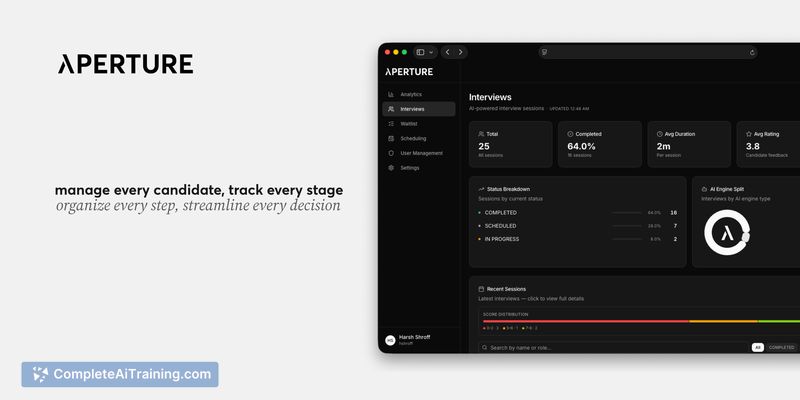
- Analytics and comparative reports to help hiring teams prioritize follow-ups and make evidence-based decisions.
Pricing and Value
aperture launched with a free offering, suitable for teams experimenting with replacing resume screening. The core value lies in reducing time spent chasing unqualified matches and improving the signal on who to interview; teams that rely heavily on resume keyword filters may see the largest benefit. As an early-stage product, expect pricing to evolve with more advanced features and integrations for larger organizations.
Pros
- Reduces dependence on resume keywords and ATS filters, helping uncover candidates who perform well in real tasks or prompts.
- Comparative scoring highlights relative strengths across a candidate pool rather than absolute, decontextualized scores.
- Provides a consistent, repeatable interview format that teams can use to triage large applicant volumes.
- Early free access lowers the barrier to trying the approach before committing to a paid plan.
Cons
- Still in early launch, so integrations with applicant tracking systems and HR tools may be limited or require custom work.
- AI evaluation can introduce its own biases and needs ongoing calibration and human oversight.
- Some candidates may be uncomfortable with AI-led interviews, which could affect response behavior and fairness if not managed carefully.
Ideal users are hiring teams that receive high application volumes and want a more signal-driven way to prioritize candidates, particularly startups and mid-size companies experimenting with new screening approaches. Teams should plan for a testing phase, pair AI outputs with human review, and monitor results closely as the product and integrations mature.
Jobs aperture suits
We checked aperture against 500+ jobs; these get the most out of it.