AI tool
Asimov 1
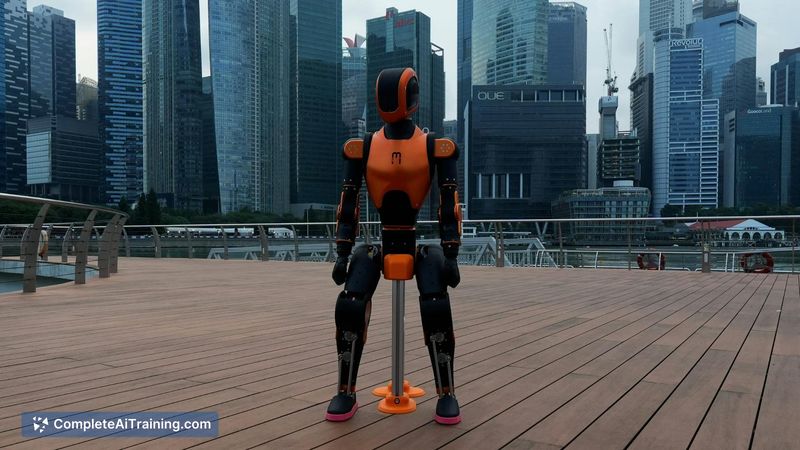
Asimov 1 is an open-source humanoid robot kit for founders, researchers, and developers. It provides a customizable, 25-joint hardware platform you assemble yourself to train policies and build robotics companies on hardware you fully own.
About Asimov 1
Asimov 1 is an open-source humanoid robot developed by Menlo Research. It stands 1.2 meters tall, has 25 powered joints, and ships as a kit that buyers assemble themselves. The robot is built on the principle that the design is public, every part can be sourced independently, and the owner retains full control over what the robot becomes.
Review
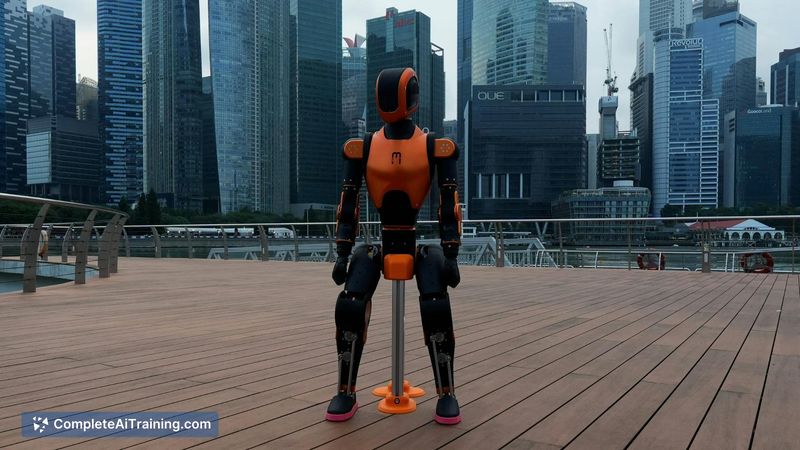
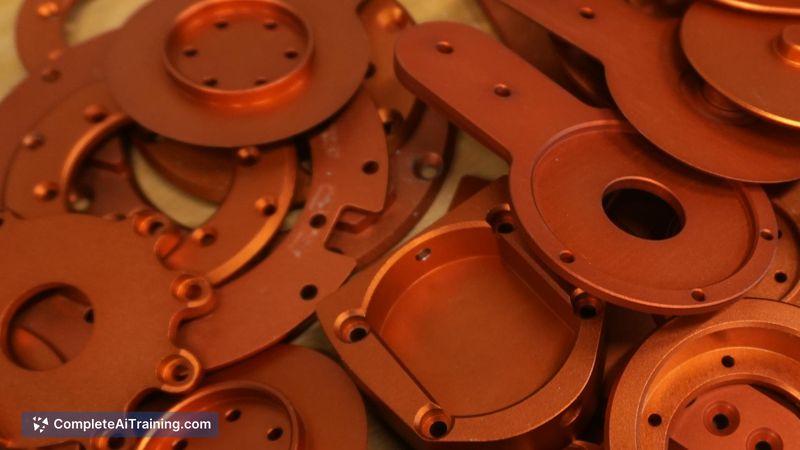
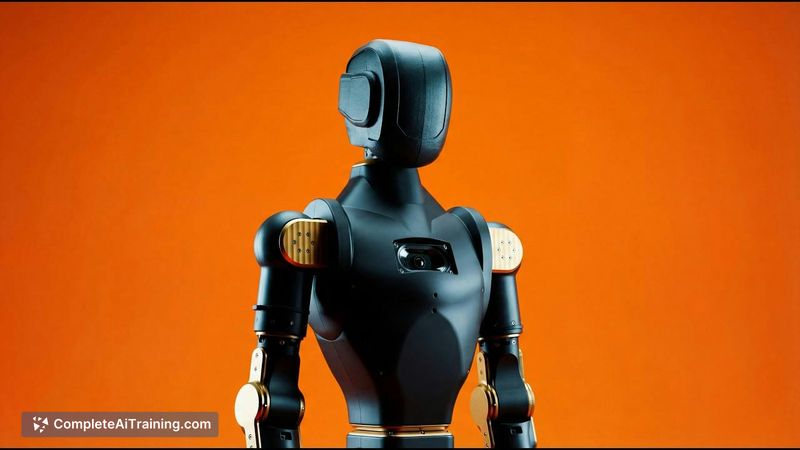
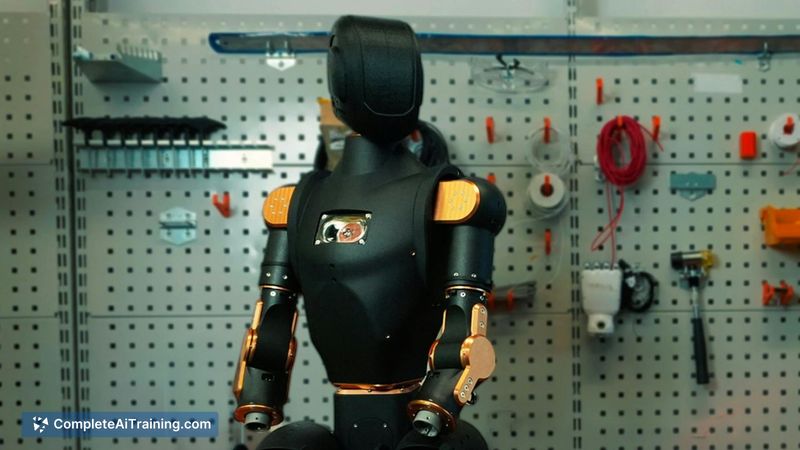
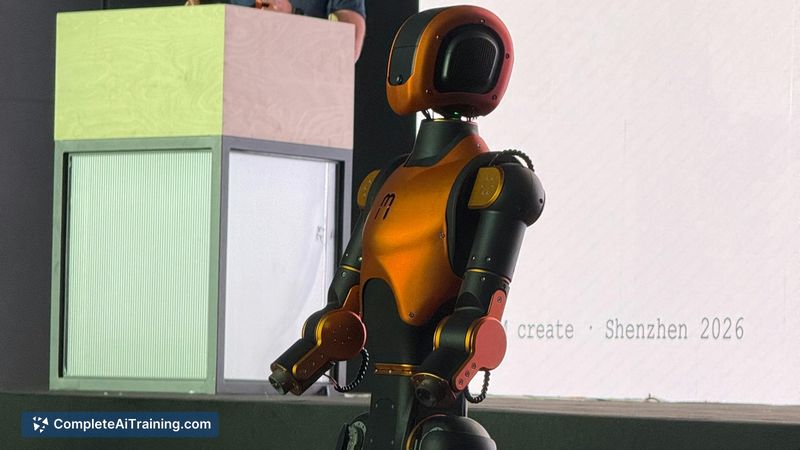
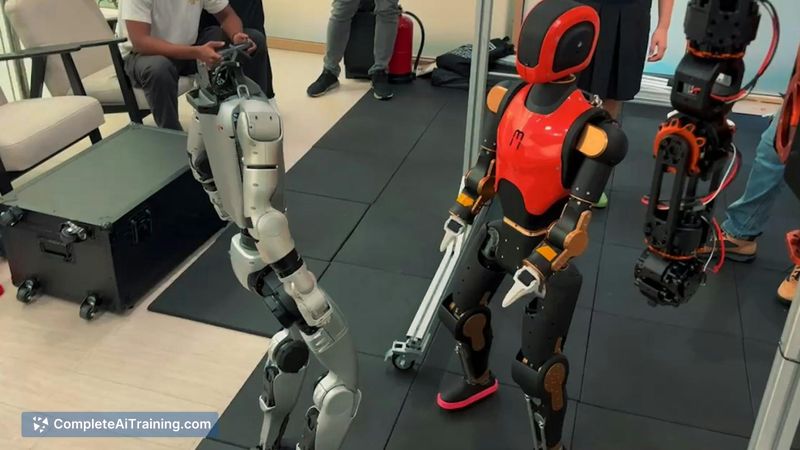
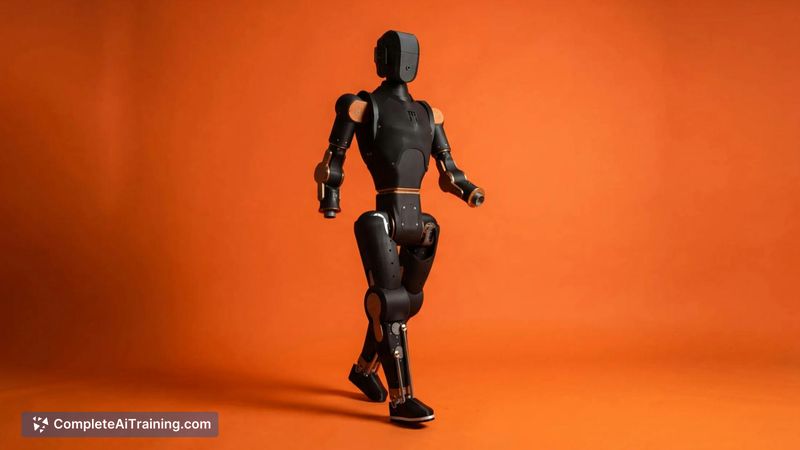
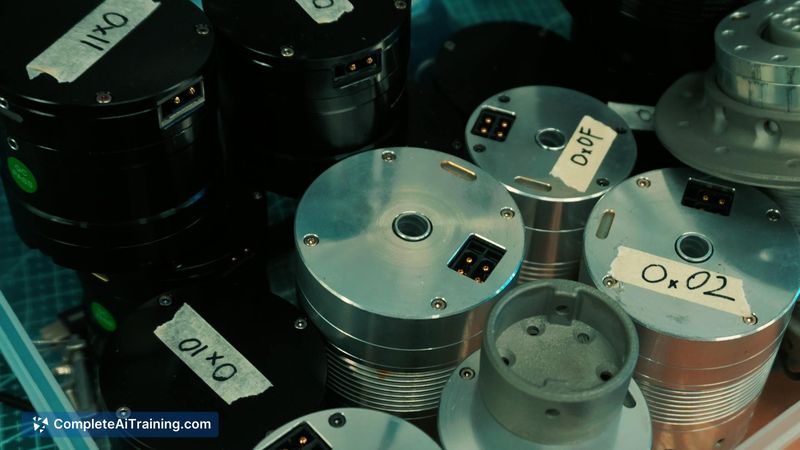
Asimov 1 enters the market as a direct response to the limitations of closed-source humanoid platforms. The team began this project after a minor part failure on a Unitree G1 left them waiting two months for a replacement - an experience that shaped the open, repairable philosophy behind this machine. It is currently shipping to customers in over 20 countries.
Key Features
- Open-source design - All design files are public, and every component can be sourced by the owner, supporting right-to-repair without vendor lock-in.
- 25 powered joints - The robot's full-body articulation provides the mechanical foundation for locomotion and manipulation tasks.
- Base walking policy included - Asimov 1 ships with a pre-trained walking policy that is also open source, giving developers a starting point for locomotion.
- Self-assembly kit - The robot arrives as a kit that takes roughly one week to assemble at a pace of a few hours per day.
- Community-driven training - Owners can train their own policies; community members are already working on capabilities like stair climbing, though this remains a work in progress rather than a shipped feature.
Pricing and Value
Asimov 1 costs $20,000, delivered to the buyer's door. Menlo Research states they cover shipping and tariffs for multiple countries, including the US, UK, Germany, France, Japan, Singapore, Australia, Thailand, and the UAE. The price places it in a different category than consumer electronics - it's a capital investment for founders, research labs, and development teams who need full hardware and software control.
Pros
- Full hardware schematics and part sourcing information are publicly available, eliminating dependency on a single vendor for repairs.
- The base walking policy is open source, so teams can inspect, modify, and build on it without licensing restrictions.
- Pre-orders reached the production minimum within 9 hours, and units are already in the hands of customers across 20+ countries - the product is shipping, not a concept.
- 25 powered joints give the platform mechanical headroom for research into whole-body control and manipulation.
- Assembly takes about a week of part-time work, which forces buyers to understand the hardware they own.
Cons
- Asimov 1 is not well suited for buyers who want a ready-to-run humanoid out of the box - assembly and training require time and technical skill.
- Advanced capabilities like stair climbing are not yet part of the base policy; the team points to community efforts, but these remain in development.
- Shipping and tariff coverage, while listed for many countries, hasn't been detailed for all regions, which leaves some international buyers with unanswered logistics questions.
Asimov 1 makes the most sense for founders building robotics startups, researchers who need full access to their hardware stack, and developers who want to train custom policies on a platform they can repair themselves. It's a poor fit for anyone expecting a finished consumer product or a plug-and-play automation tool. The open-source approach means the owner shoulders more assembly and development work, but gains something closed platforms don't offer: the ability to fix, modify, and understand every part of the machine.