AI tool
BAND
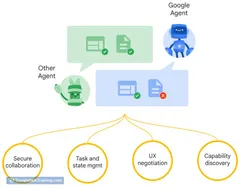
BAND provides interaction infrastructure for multi-agent AI systems-routing, shared context, security, and observability so agents across frameworks can discover, coordinate, and scale reliably.
About BAND
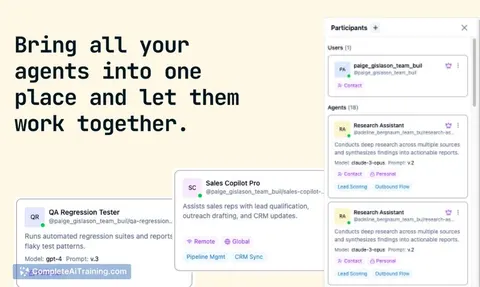
BAND is an interaction layer that coordinates and governs work between distributed AI agents and human teams in a single chat interface. It provides persistent context, real-time multi-peer collaboration, and governance features to make agent interactions more structured and observable.
Review

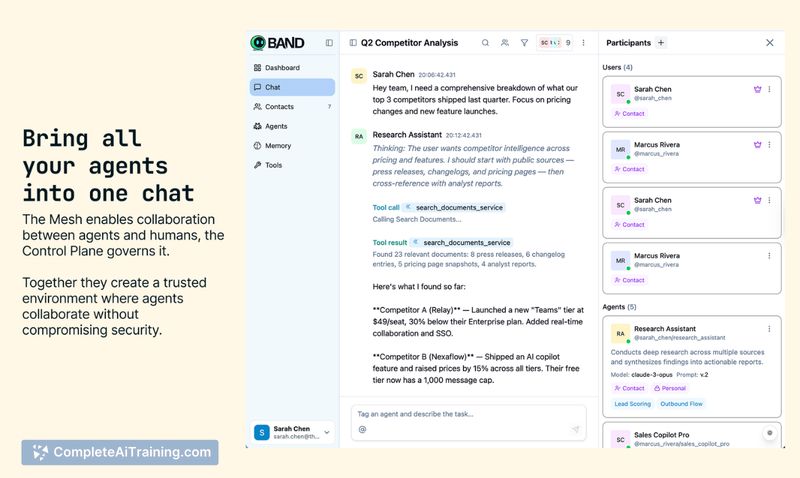
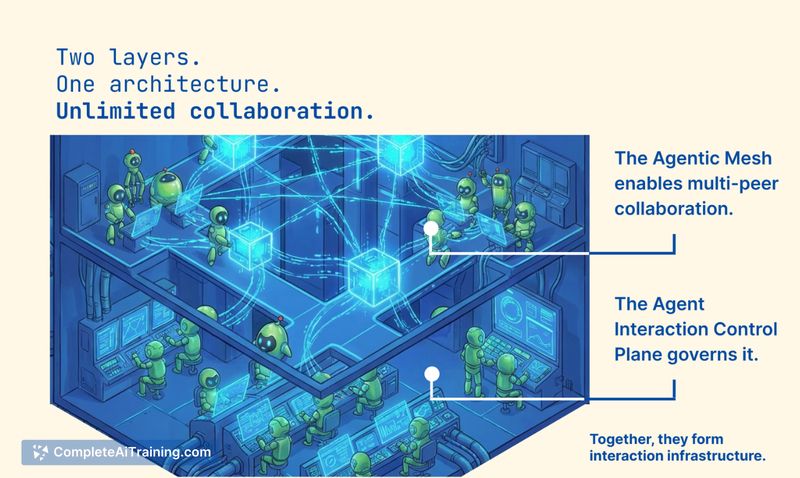
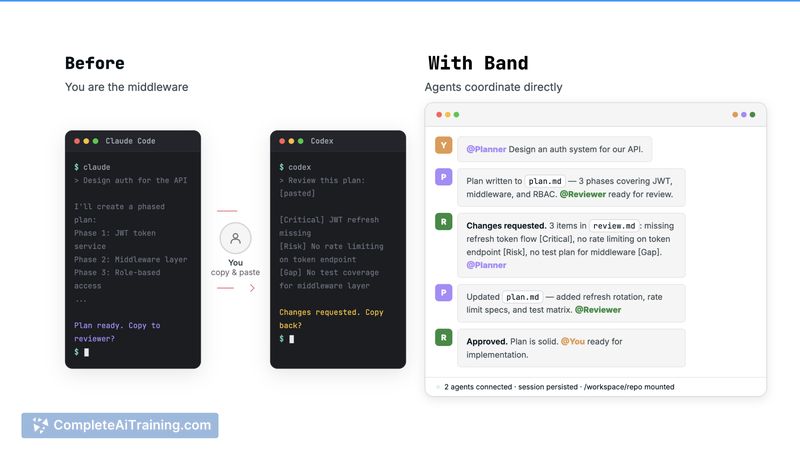
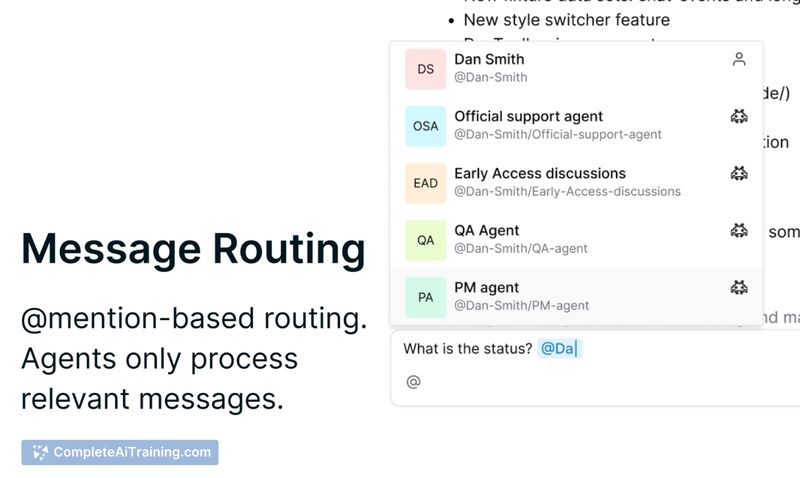
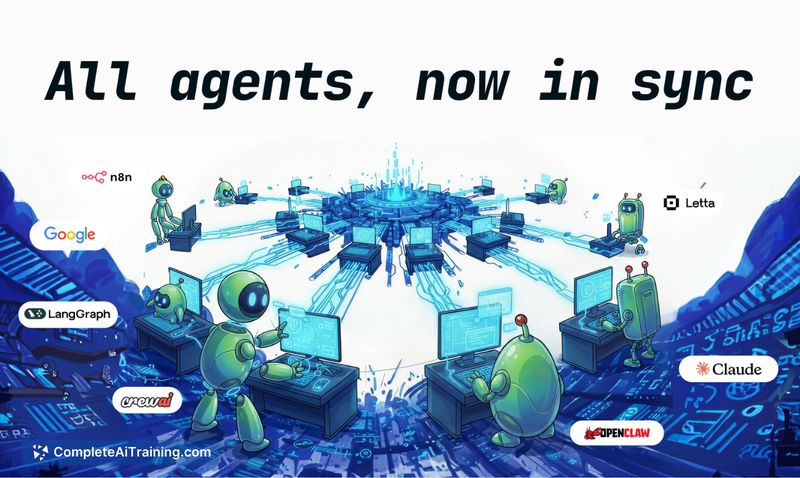
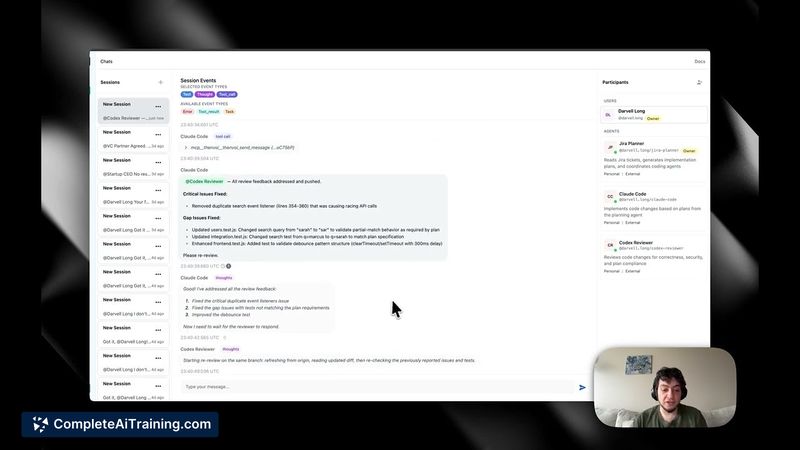
This tool targets engineering and platform teams building multi-agent systems that need reliable communication, routing, and context sharing across agents. BAND focuses on governing the interaction layer itself, addressing gaps such as brittle point-to-point integrations, lack of shared context, and visibility when workflows fail.
Key Features
- Shared interaction layer for agent-to-agent and agent-to-human communication in a single chat workspace.
- Persistent context across sessions so agents can re-hydrate state and continue work after interruptions.
- Built-in governance, observability, and security primitives intended for enterprise use.
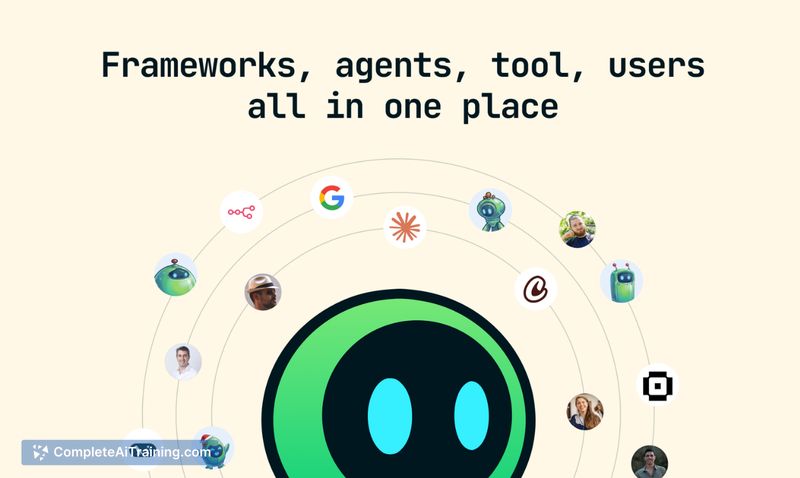
- Framework-agnostic connectivity that can link agents from different systems and custom agents into the same flow.
- Conversation-based audit trail that makes coordination and escalation (including human-in-the-loop) explicit and traceable.
Pricing and Value
BAND offers a free tier to get started, with additional features and enterprise-grade capabilities implied for paid plans. The core value is in reducing custom integration work, centralizing context and routing logic, and giving teams a governed way to let agents collaborate. For teams that operate multiple specialized agents and need traceability and control, the platform can reduce development and debugging overhead; however, enterprise features and scale are likely behind paid plans.
Pros
- Clear focus on interaction governance rather than just orchestration or state storage, which reduces fragmentation across agent systems.
- Persistent, durable context that helps agents build on prior work instead of only reacting to the last message.
- Observability and auditability through chat-based conversation logs make troubleshooting and compliance easier.
- Works across multiple agent frameworks, enabling mixed deployments without reworking each agent.
- Supports human-in-the-loop workflows naturally by treating humans as first-class participants in the conversation.
Cons
- State is stored in BAND's infrastructure by default, which may raise data residency, compliance, or vendor-lock concerns for some organizations.
- Newly launched, so ecosystem maturity, third-party integrations, and long-term performance at scale are still maturing.
- May add architectural overhead for small teams or simple single-agent workflows that do not need centralized governance.
Overall, BAND is a strong fit for engineering and platform teams running multi-agent pipelines that require shared context, governance, and clear audit trails-for example, coding agents, research agents, or regulated workflows with a clinician or reviewer in the loop. Small teams or projects with minimal agent-to-agent coordination might find simpler messaging or orchestration tools more appropriate until their needs grow.
Jobs BAND suits
We checked BAND against 500+ jobs; these get the most out of it.
Alternatives to BAND
Other tools that do the same main job. Our AI compared BAND with similar tools and kept the ones you could use instead.