AI tool
BrickForgerAI
BrickForgerAI converts 3D models into buildable LEGO-compatible designs using a brick-placement engine that checks structural stability. It is for builders who want a parts list and instructions for a real, purchasable model.
About BrickForgerAI
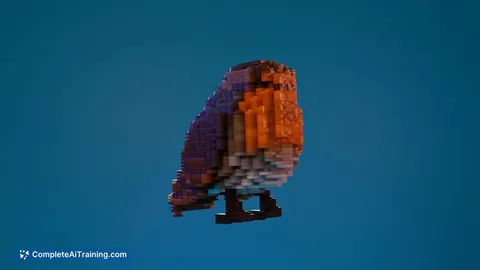
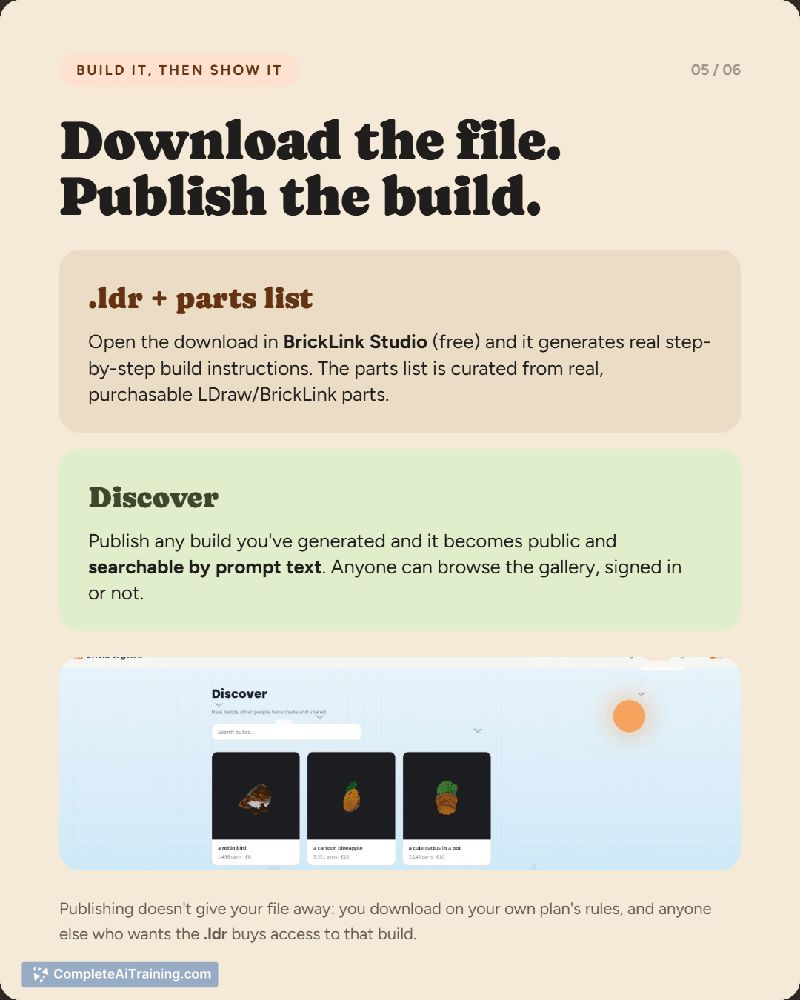
BrickForgerAI converts text prompts into buildable brick models using a pipeline that combines AI image and mesh generation with a custom brick-placing engine. It outputs an ldr file, a parts list, and step-by-step PDF instructions. The tool uses LEGO-compatible parts but is not affiliated with the LEGO Group.
Review
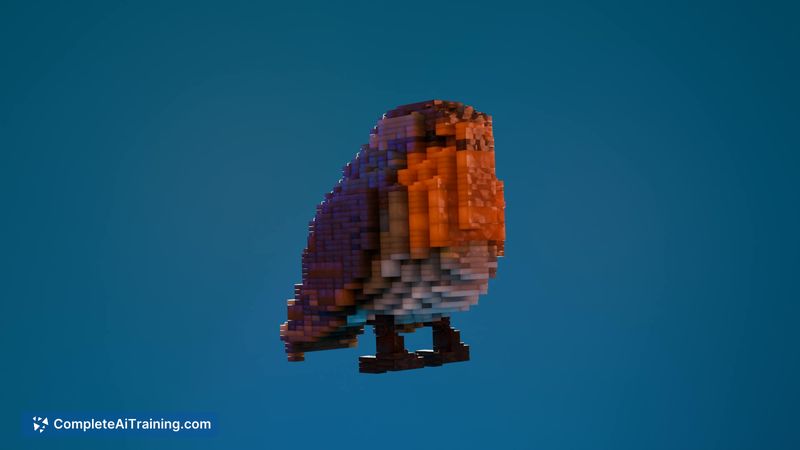

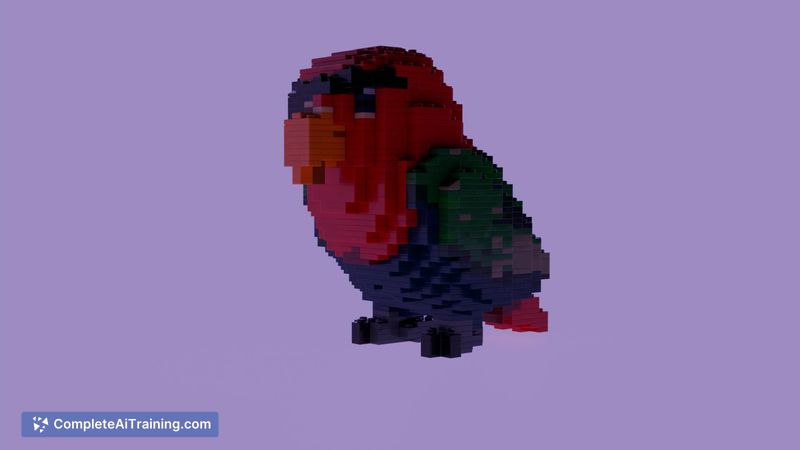


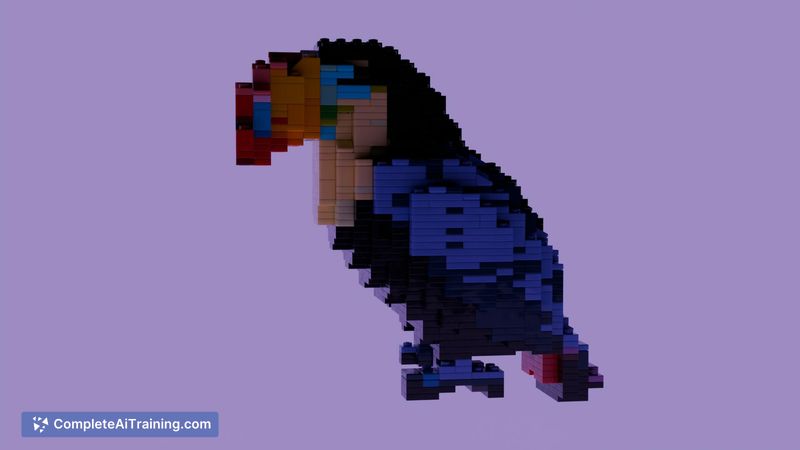
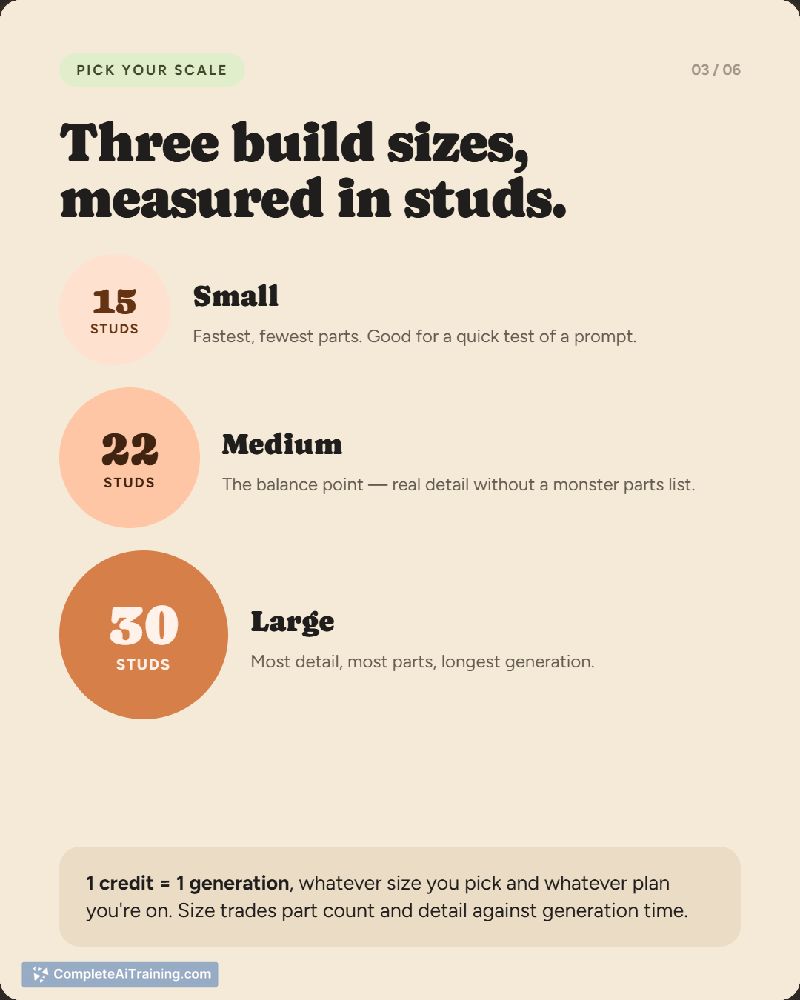


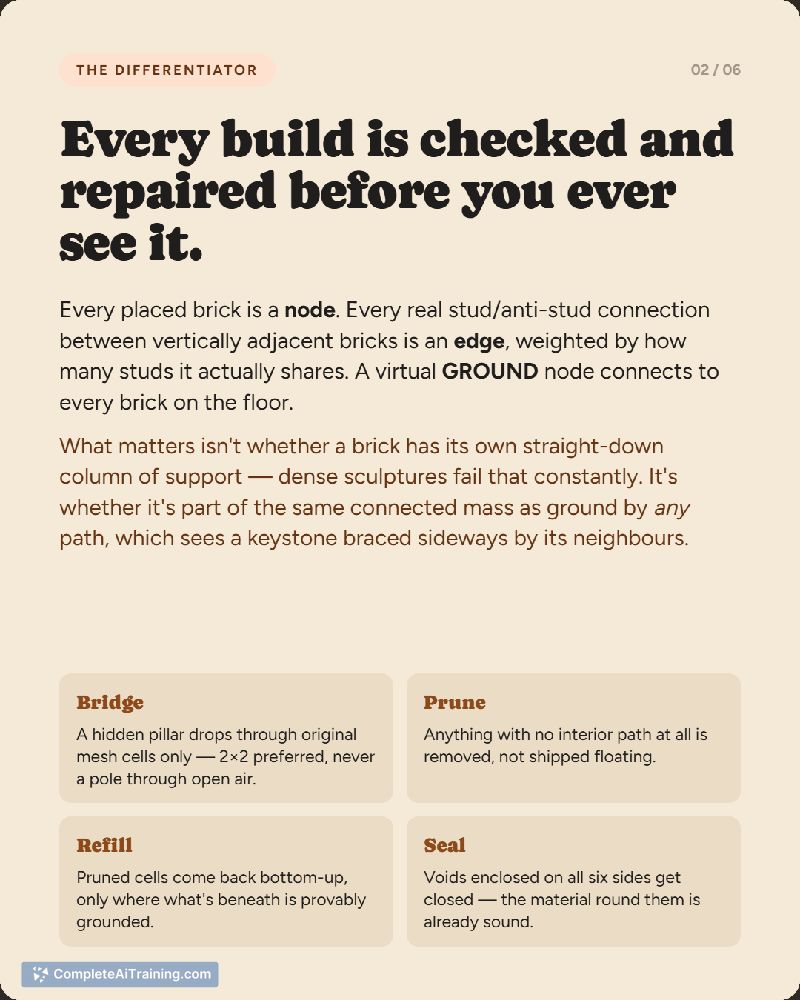
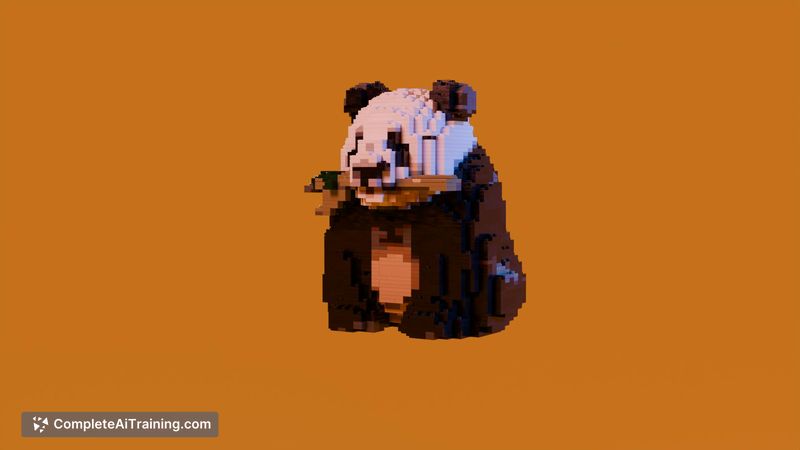
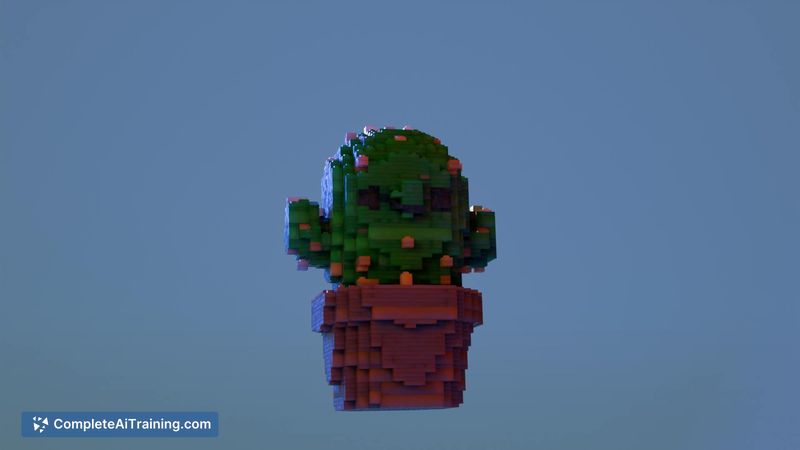

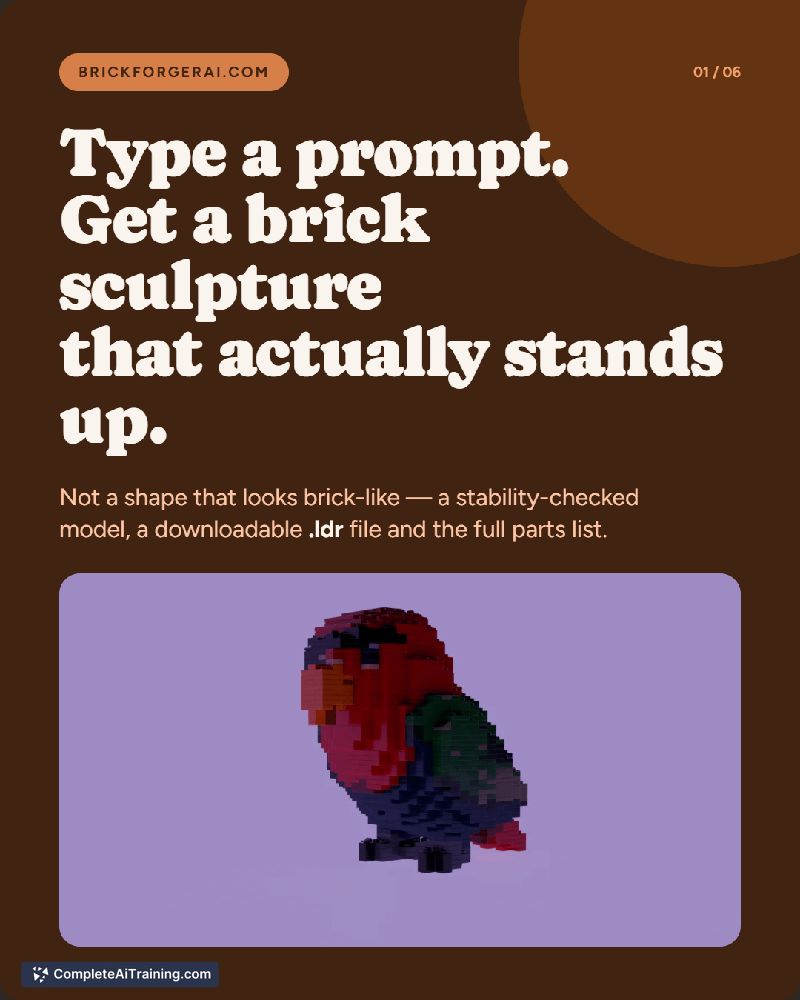
BrickForgerAI tackles a specific gap its maker identified: most AI brick generators produce images that can't actually be assembled with real parts. The tool generates a 3D shape from a prompt, then runs it through a voxelization and tiling process that maps real, purchasable bricks onto the form. The result is a physical build plan, not just a render.
Key Features
- Text-to-build pipeline that generates a 3D mesh, voxelizes it, and tiles the shape with bricks from a 55-part library.
- Structural analysis that checks connectivity and simulates gravity load to identify weak points, then auto-repairs them before final output.
- Seam staggering during brick placement to prevent the model from separating like a loose stack.
- Export of an ldr file, a complete parts list, and step-by-step PDF instructions for physical assembly.
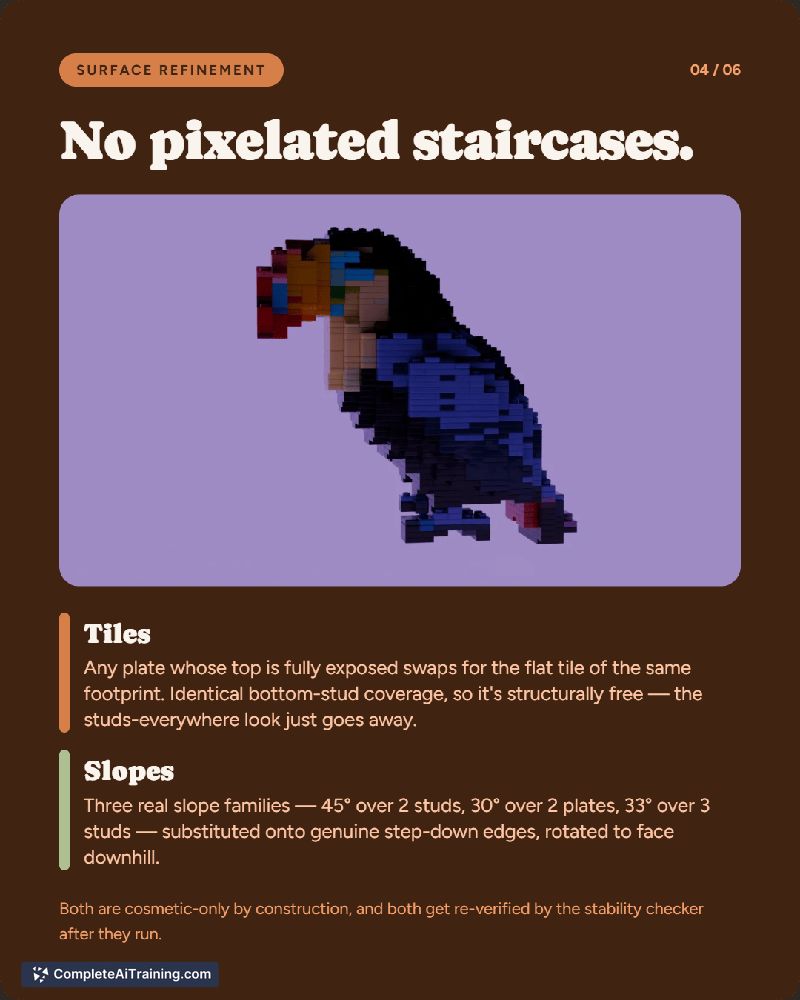
- Refinement pass using slopes and tiles to smooth the final brick model's surface.
Pricing and Value
The tool launched with free options, though the exact limits of the free tier and any paid plans are not yet defined. No subscription or credit-based pricing details appear on the current page. A parts-cost estimate feature is under consideration, and a future "build with what you own" mode would let users constrain part selection to their existing inventory from BrickLink or Rebrickable-but neither is available yet.
Pros
- Delivers buildable outputs instead of non-constructable renders, which sets it apart from many prompt-to-brick generators.
- Structural analysis catches weak connections and reinforces them automatically, reducing the chance of a model that collapses during handling.
- Step-by-step PDF instructions make the result accessible to builders who don't want to reverse-engineer a parts list.
- Uses a real brick library mapped to purchasable parts, so you can order what the design requires.
Cons
- The brick library currently holds 55 parts, which limits the shapes and details the engine can reproduce-complex curves or specialized elements won't appear.
- There's no parts-cost estimate or inventory-aware mode yet; builders must manually check whether they already own the required bricks.
- Not well suited for users who want highly detailed, display-focused models with large part counts and niche elements-the constrained library and structural focus lean toward functional, sturdy builds.
BrickForgerAI fits hobbyists and builders who want a prompt-to-physical-model workflow without manual brick layout. It's also useful for those who prioritize structural integrity in their custom designs. Anyone needing a wide part palette or cost optimization tools will find the current version limited, though planned features may address that over time.