AI tool
HarnessHive
HarnessHive is a cloud-based tool for designing wiring harnesses. It provides real-time collaboration and AI features to engineering teams who find existing options too costly or slow to adopt.
About HarnessHive
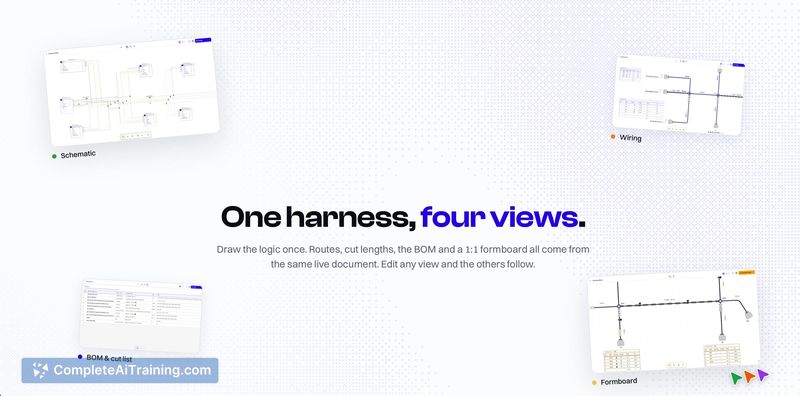
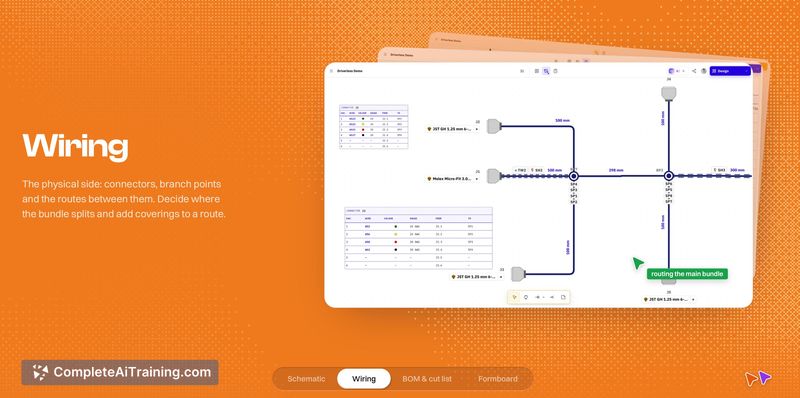
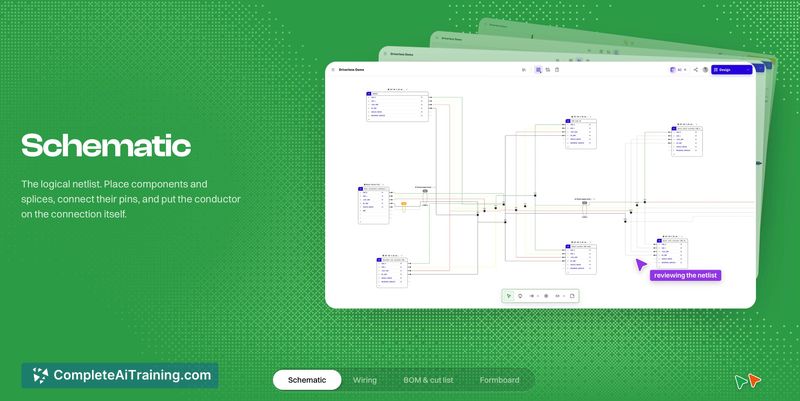
HarnessHive is a cloud-based design tool for wiring harness engineers, launched this week by a three-founder team. It combines schematic, layout, BOM, and a to-scale formboard in a single live document. An integrated AI assistant supports users across these design stages.
Review
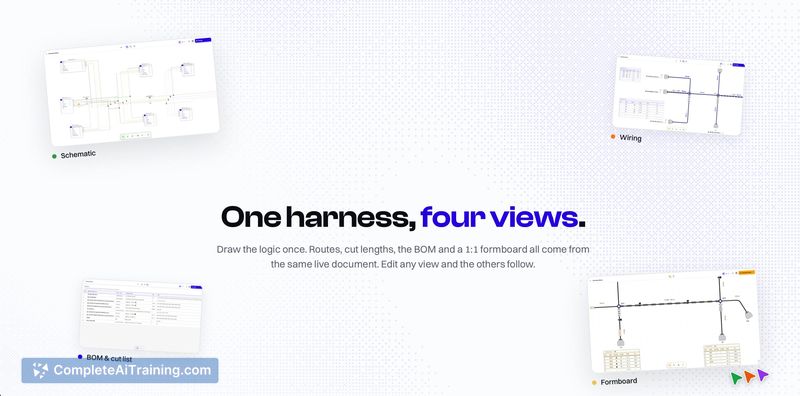
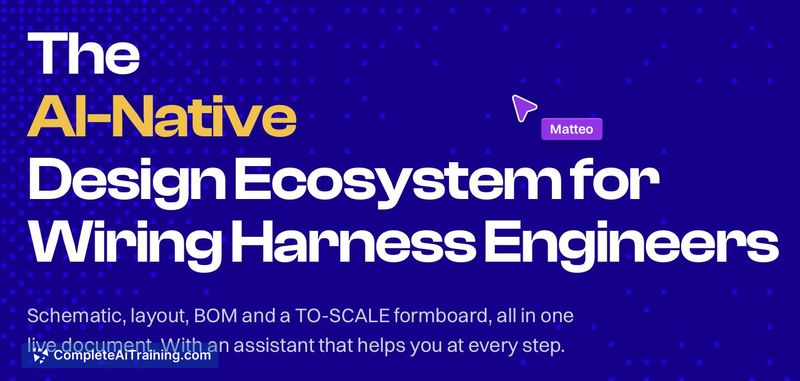
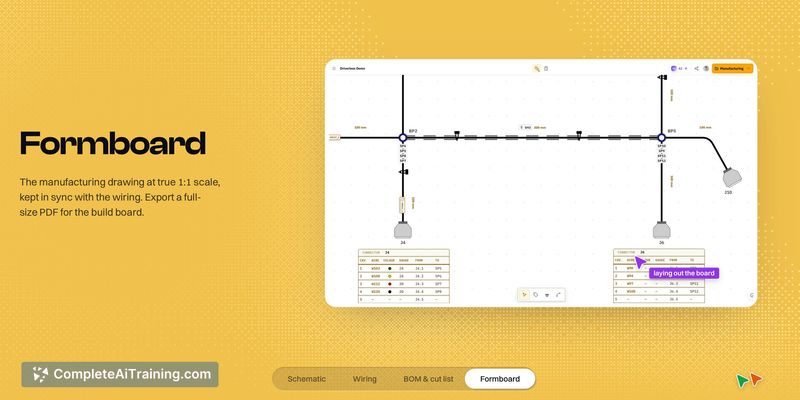
HarnessHive enters a space where established tools are described by its makers as expensive and slow to onboard, often lacking real-time collaboration and AI features. The tool consolidates several design artifacts that typically live in separate files. This review examines what the product does today, where it's headed, and who might find it useful.
Key Features
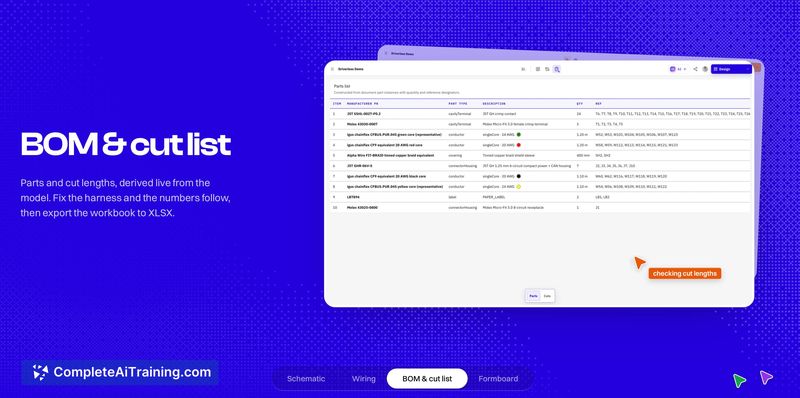
- Unified live document: Schematic, layout, BOM, and a to-scale formboard stay synchronized in one workspace. Changes propagate across all views without manual exports or reconciliation.
- AI assistant: An AI agent helps at various steps in the design process. The makers confirm it handles BOM checks when asked, and it also assists with importing existing component libraries and schematics.
- JSON import for component libraries and schematics: Teams migrating from legacy suites can bring in existing data through a JSON import function, with the AI agent providing additional support during the process.
- Real-time collaboration: Multiple engineers can work on the same harness design simultaneously, a capability the makers note is absent from older incumbent tools.
- Cloud-native architecture: As a browser-based tool, it doesn't require local installation or license servers, which the founders contrast with traditional on-premise solutions.
Pricing and Value
The tool offers free options, though specific pricing tiers or limits are not yet defined on its current page. The makers describe incumbent tools as expensive, implying HarnessHive targets a lower cost of entry, but concrete numbers aren't available to compare. Prospective users should check the website for updates as the pricing model solidifies.
Pros
- Consolidates schematic, layout, BOM, and formboard into one document, removing the need to switch between separate applications.
- AI assistance covers both design checks (like BOM verification) and data migration tasks.
- Real-time collaboration is built in from the start rather than retrofitted.
- JSON import path exists for teams with existing component libraries and schematics.
- Browser-based access eliminates local installation and IT overhead.
Cons
- The tool launched this week and lacks a track record in production environments; stability and performance under large, complex harness designs remain untested publicly.
- Import relies on JSON format-teams using proprietary formats from legacy tools may face manual conversion work before the AI can assist.
- It isn't well suited for organizations that require on-premise deployment or air-gapped environments due to its cloud-only architecture.
HarnessHive fits small to mid-sized engineering teams that find current wire harness software too costly or cumbersome and are comfortable working entirely in the cloud. Its unified document model and AI assistance target the friction points the founders themselves experienced in a rocketry association. Larger enterprises with strict on-premise requirements or deeply entrenched legacy formats will likely wait until the tool matures and proves itself across a wider range of harness complexities.