About Compendium
Compendium is a shared memory layer for teams that work with AI agents. It keeps knowledge, decisions, and context in a single source of truth, accessible to both humans and agents. The tool launched this week and is built by a small startup focused on AI-native workflows.
Review
Compendium approaches team coordination by giving every agent the same memory, so context doesn't get locked inside individual chat threads. The product is brand new and still finding its shape, but the core idea-a live, multiplayer workspace for agents and people-is already functional. I spent time with the launch materials and the team's own responses to understand what's in place and what's still ahead.
Key Features
- Shared context that acts as a single source of truth for the team and its agents, with knowledge linked across email, Slack, and other sources.
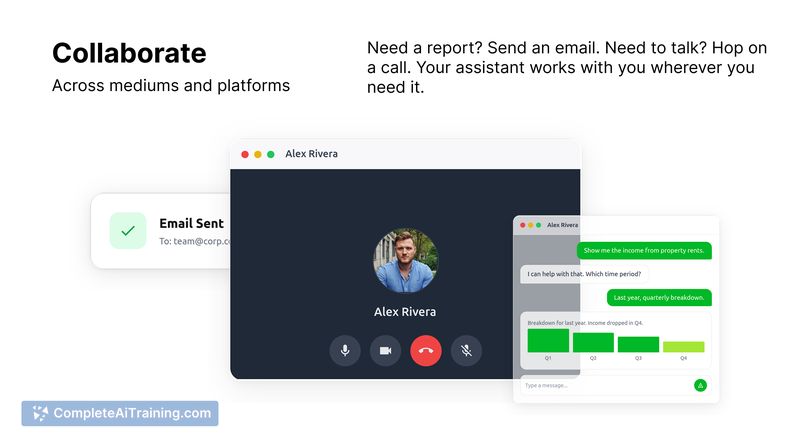
- Multiplayer sessions where multiple teammates can drive one AI together, similar to a Google Doc for Claude.
- Live view and summaries showing what every teammate and agent is working on right now, plus summaries of changes that happened while you were away.
- Streamable HTTP MCP server with unlimited connections, not locked to a specific AI model, so agents can access Compendium's memory from outside the web app.
- 60+ integrations that passively ingest information from common tools, keeping the shared brain updated without manual writing.
Pricing and Value
Pricing was clarified shortly after launch. Compendium costs $40 per seat per month, with a launch discount code (LAUNCHDAY) bringing it to $20 per seat. Each seat includes $40 in Anthropic/OpenAI API credits per month, run through a Zero Data Retention Account. The plan also includes unlimited connections to the MCP server, unlimited data storage with a capped file size per context document, and access to the full web app. A 14-day free trial is available. The tool is two months old, and the team is still determining default configurations for some features.
Pros
- All agents share one memory, preventing conflicting decisions and duplicate work across threads.
- Multiplayer sessions let a team collaborate on a single AI interaction in real time, reducing context switching.
- Live activity feed and change summaries keep team members oriented without digging through logs.
- The MCP server is open to any AI tool, not just Claude, so teams aren't locked into one model provider.
- Pricing is now transparent, with a clear breakdown of included credits and connections.
Cons
- Many features are still on the roadmap, including provenance tracing, pre-built agent configurations, and automatic periodic context review.
- It lacks structured note-taking features like databases with views, public publishing, and templates that mature tools like Notion already have.
- Teams that depend on traditional document management and don't center AI agents in their workflow will find Compendium too narrow for their needs.
AI-native startups and small teams that want to stop siloing agent context will get the most immediate use out of Compendium. The multiplayer sessions and live view address real coordination gaps that happen when multiple agents work in parallel. For larger teams or those that still need a full-featured wiki and database system, the product isn't a replacement yet, but the team is open about that gap and plans to close it over time.
Open 'Compendium' Website
Your membership also unlocks: