AI tool
Cubicle
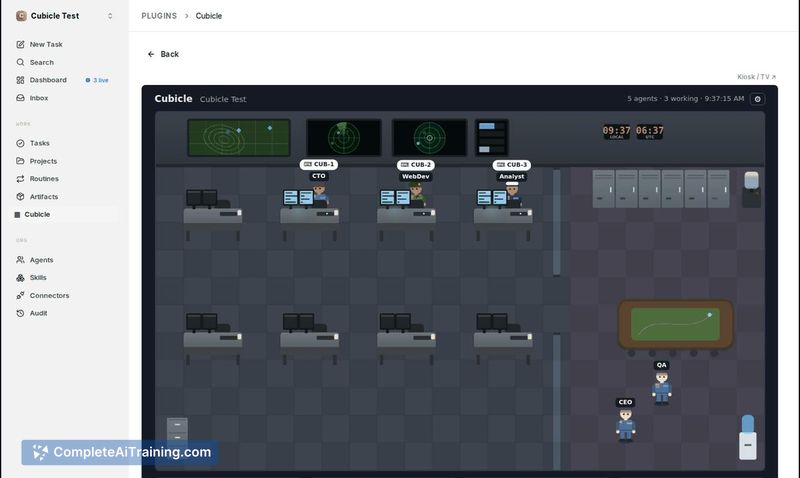
Cubicle is a read-only monitoring room for AI agents like Claude Code or Codex. It shows each agent at a desk with its current task and notifies you when one needs approval.
About Cubicle
Cubicle is an MIT-licensed observability tool that displays AI agents from Claude Code, Codex, Gemini CLI, and Paperclip as characters in a live, visual office. It runs with a single npx command, carries zero dependencies, and is read-only by design-it watches agent activity without approving, running, or changing anything in the underlying systems. The tool surfaces agent status through familiar office metaphors: agents sit and type while working, raise a hand when they need input, and head to the lounge when finished.
Review
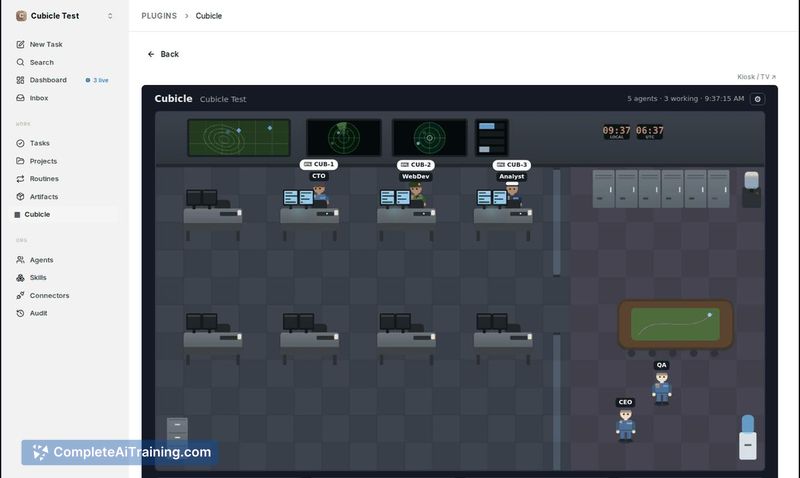
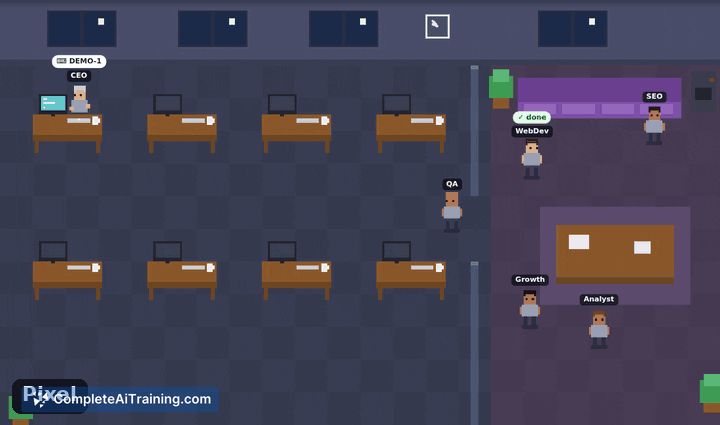
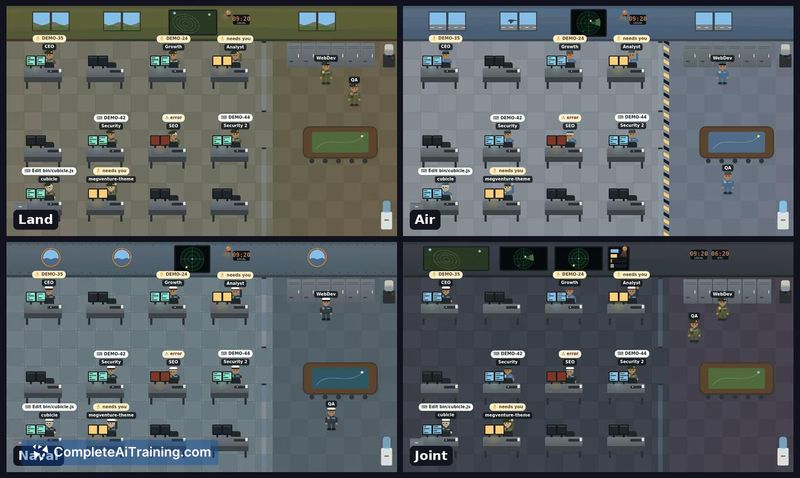
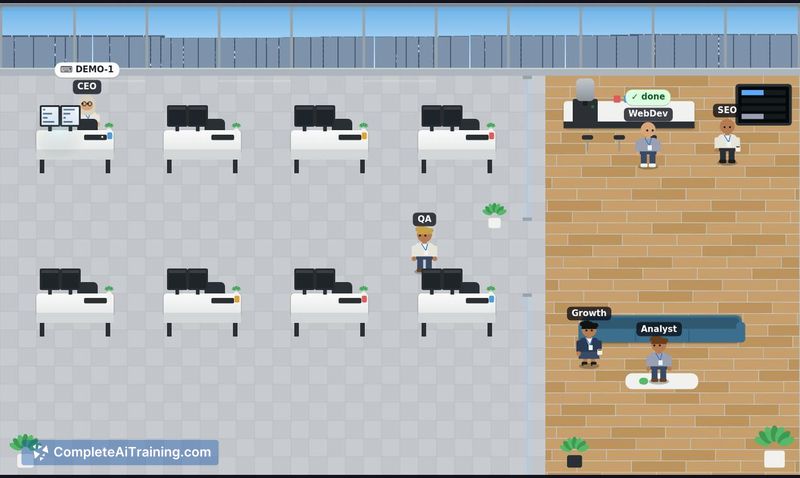
Cubicle translates terminal-based agent sessions into a shared visual space, which reduces the need to switch between multiple terminal windows just to check who is blocked. The office layout, with its desks, hand-raising, and lounge area, maps agent states to spatial cues that a team can glance at on a monitor or phone. It doesn't manage agents-it only reflects what they're already doing, and that constraint is central to how it fits into a workflow.
Key Features
- A live office view where each agent session becomes a character that types, raises a hand when paused on a permission prompt, and moves to the lounge upon completing a turn.
- Read-only architecture that observes agent tools and surfaces statuses; the only optional write is posting a Telegram reply as a comment.
- Telegram notifications with per-agent mute controls, plus commands to filter alerts by questions only, errors only, or both.
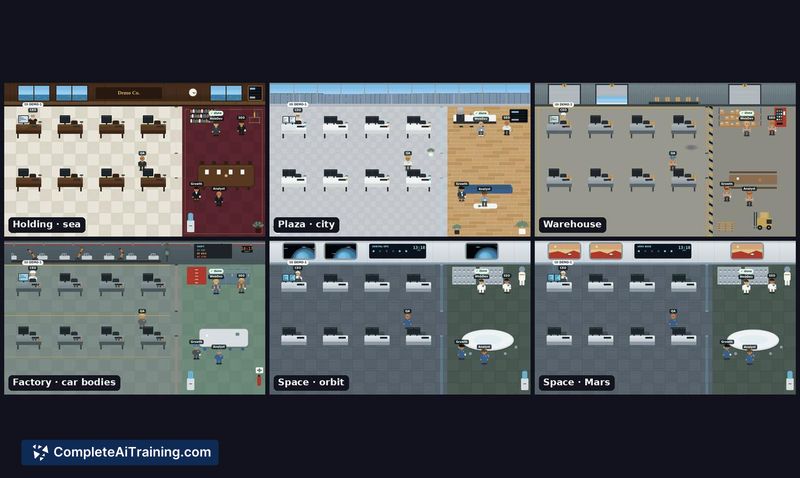
- Seven built-in themes (pixel, holding HQ, plaza, warehouse, factory, space, military) and customization options including photo-based character heads and a company logo on the wall.
- Replay mode that compresses a day's activity into minutes and can export a 30-second video.
Pricing and Value
Cubicle is free and MIT-licensed. The maker has not announced any paid tiers, and the current distribution model is a public npm package invoked via npx. There is no pricing page, subscription, or enterprise plan defined at this stage.
Pros
- Single-command setup with zero dependencies-one Node file and one HTML page, no database or service to configure.
- One hook installation covers every terminal session; four or five open terminals appear as distinct characters named after their working directories.
- Works across multiple agent tools (Claude Code, Codex, Gemini CLI, Paperclip) and can ingest any tool that writes a small JSON feed.
- The phone view reflows the same office data for smaller screens, prioritizing agents that need attention and errors.
- Open-source with "good first issue" tickets for community-contributed themes like hospital, newsroom, and classroom.
Cons
- The tool is intentionally read-only, so it cannot approve, continue, or stop a run-you still answer prompts in the original terminal or issue page.
- Notification control currently relies on Telegram; there is no built-in desktop alerting outside of that channel.
- Cubicle is not well suited for teams that need a control plane to manage agents, because it deliberately avoids any write access to the agent systems it observes.
Cubicle fits teams that already run multiple concurrent agent sessions and want a passive, at-a-glance view of who is blocked without adding another management layer. It works for a solo developer juggling several terminals, a small group watching a shared office display, or anyone using Paperclip who wants agent status surfaced outside of the issue board. If your workflow demands a tool that can intervene in agent runs, this won't fill that role-and that's by design.
Jobs Cubicle suits
We checked Cubicle against 500+ jobs; these get the most out of it.