AI tool
Hipocampus
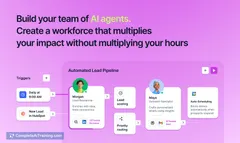
Hipocampus runs AI operators that own cross-tool workflows: carry context, take actions, and keep work moving so teams stop stitching tools together and babysitting processes.

About Hipocampus
Hipocampus is a workflow-ownership layer that deploys governed AI operators to automate and manage team workflows across fragmented systems. It preserves persistent workflow state, supports approvals, delegation, and escalation, and maintains shared context so tasks continue across tools and time.
Review


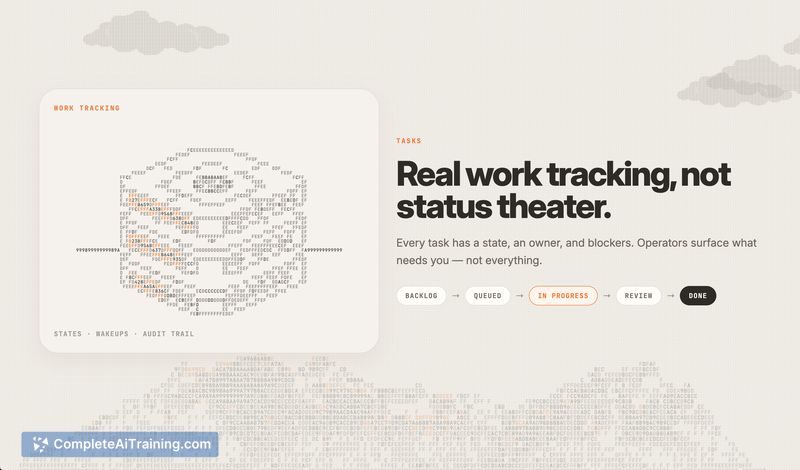

Hipocampus focuses on giving teams autonomous operators that own work rather than producing one-off outputs. The platform stores task history and state outside of the model so human handoffs arrive with context, and operators can continue working over days or weeks without losing progress.
Key Features
- Persistent AI operators that maintain state and context across time and tools.
- Built-in approvals, delegation, and escalation workflows tied to tasks rather than ephemeral chats.
- Task-level context and history (notes, summaries, artifacts) stored outside the model to reduce context loss during handoffs.
- Flexible notification and integration options so operators can surface tasks in team channels or an internal inbox.
- Pattern learning: the system can take initial passes on repeatable work after observing human actions.
Pricing and Value
The launch information indicates a paid SaaS product, but detailed pricing tiers were not published publicly at launch. Pricing is likely to be subscription-based with possible usage or seat components; teams should expect to evaluate cost relative to the amount of automation and integrations required. For organizations that manage multi-step, cross-tool processes, Hipocampus can reduce manual coordination overhead and shorten review cycles, though the return depends on the scale and stability of the workflows you automate.
Pros
- Operators keep persistent state, reducing the need to reconstruct context after interruptions.
- Handoffs are delivered as tasks with attached history, which helps prevent information loss during reviews.
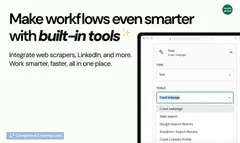
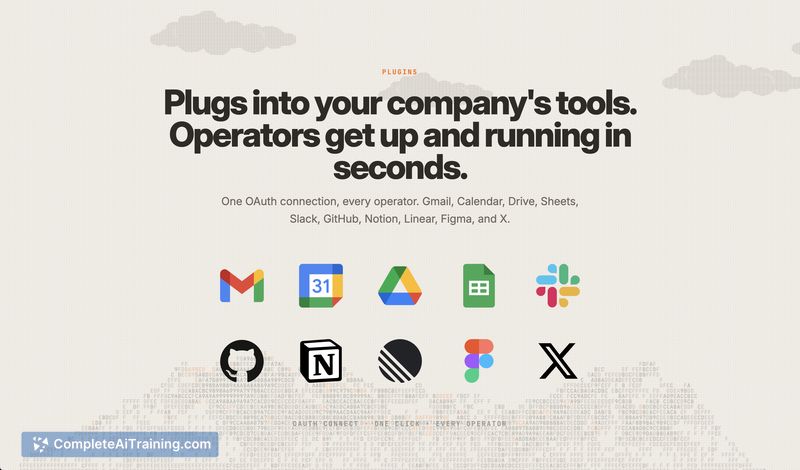
- Designed to work across multiple tools and notification channels so existing team habits can be respected.
- Architecture aims to be model-agnostic, reducing dependence on a single model provider.
Cons
- Newly launched product with limited public documentation and case studies at the time of release.
- Pricing details are unclear up front, which makes ROI estimates harder until you engage with the vendor or run a pilot.
- Implementing ownership and governance for operator-driven workflows requires initial setup and change management.
Hipocampus is best suited for teams that deal with fragmented, multi-step processes and want a way to reduce manual handoffs and tracking. It's most valuable for organizations willing to invest time in integrating systems and establishing governance so operators can safely own parts of the workflow. Consider a short pilot on a few repeatable processes to assess fit before wider rollout.
Jobs Hipocampus suits
We checked Hipocampus against 500+ jobs; these get the most out of it.
Alternatives to Hipocampus
Other tools that do the same main job. Our AI compared Hipocampus with similar tools and kept the ones you could use instead.