About: Inferable
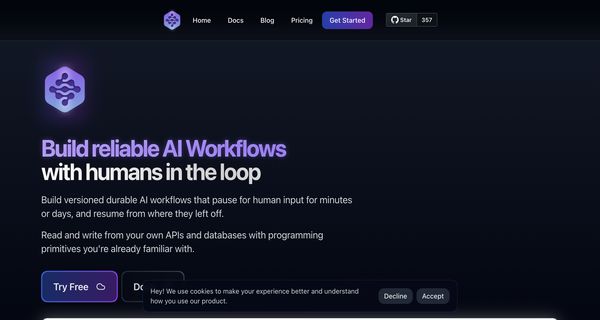
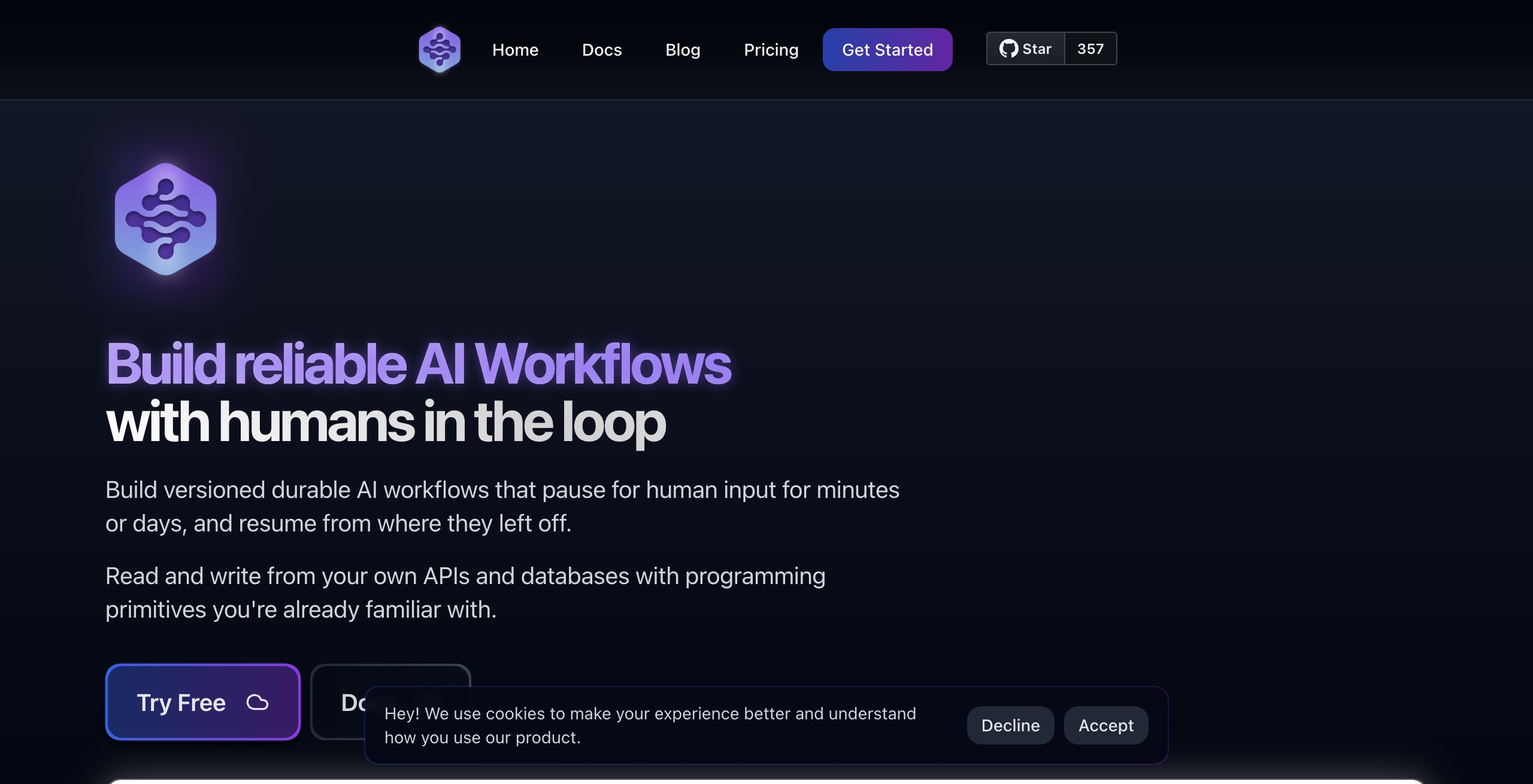
Inferable is an advanced AI automation platform tailored for developers, facilitating the seamless creation, deployment, and management of AI workflows directly within existing codebases. This tool empowers developers to integrate AI functionalities without compromising their control over data and operational processes. Key features include AI guardrails that ensure safe and compliant automation, composability for flexible workflow design, distributed orchestration for efficient resource management, and comprehensive end-to-end observability that allows for real-time monitoring and debugging.
Inferable is particularly valuable for organizations looking to enhance their applications with AI capabilities while ensuring reliability and security. Its architecture supports a variety of use cases, from automating routine tasks to developing complex AI-driven features that can scale with demand. What sets Inferable apart is its focus on developer needs, providing tools that enhance collaboration and streamline integration, making it an indispensable asset in the evolving landscape of AI-driven software development.
Review: Inferable
Introduction
Inferable is an AI automation platform designed specifically for developers. Its main purpose is to enable the creation, deployment, and management of AI-driven workflows within existing codebases. Inferable is particularly relevant in today's fast-paced development environment where integrating scalable and reliable AI capabilities has become crucial. This review examines how Inferable supports developers in controlling data, ensuring security and compliance, and maintaining long-running processes with human oversight.
Key Features
Inferable comes packed with a variety of features that set it apart from its competitors:
- Workflow Versioning: Easily manage multiple versions of long-running workflows to ensure seamless updates without disrupting ongoing processes. This enables developers to evolve functionalities over time while maintaining backward compatibility.
- Managed State: The platform handles all required state management for durable workflows, eliminating the need for external database provisioning and management.
- End-to-End Observability: Developers benefit from comprehensive observability through a developer console and integration with existing observability stacks, helping monitor and troubleshoot workflow execution.
- On-Premise Execution: Inferable allows workflows to run on your own infrastructure with outbound-only connections, enhancing security by avoiding inbound ports exposure.
- Open Source and Self-Hostable: The complete transparency of an open-source codebase gives developers full control over their deployments, ensuring that data and compute stay on their own terms.
- LLM Primitives and Human-in-the-Loop: The tool provides production-ready primitives that help automate routine tasks while keeping human oversight intact. This is particularly useful for workflows that might require pauses for manual input.
- Seamless API Integration: Leverages familiar programming primitives, allowing easy integration with existing APIs and databases with minimal disruption to established programming models.
Pros and Cons
- Pros:
- Developer-focused design with robust API and integration capabilities.
- Strong support for workflow versioning, allowing gradual improvement without service disruption.
- Enhanced security through on-premise execution and outbound-only connectivity.
- Comprehensive observability features that help monitor workflows end-to-end.
- Open source and self-hostable, which gives developers complete control over their infrastructure and data.
- Cons:
- The platform may have a learning curve for teams unaccustomed to managing AI workflows.
- Organizations requiring a plug-and-play solution might need to invest time integrating Inferable with their existing systems.
Final Verdict
Overall, Inferable stands out as a solid choice for developers looking to integrate AI-powered automation into their applications while maintaining high control over data and infrastructure. Its extensive feature set—ranging from flexible workflow versioning and managed state to observability and open-source freedom—makes it ideal for startups, scale-ups, and organizations with a need for scalable and secure AI operations. However, teams new to this type of workflow orchestration might need to invest time in learning the platform's intricacies. If you are looking to build reliable, resilient AI workflows with human-in-the-loop support, Inferable is highly recommended.
Open 'Inferable' Website
Your membership also unlocks: