AI tool
KIVA
KIVA uses AI to streamline keyword research and content strategy by uncovering untapped keywords, analyzing SERPs, and generating content outlines quickly. Optimize SEO for Google, Bing, Yahoo, and ChatGPT with ease.
About KIVA
KIVA is an AI-powered SEO agent designed to simplify keyword research and content strategy for agencies, small to medium enterprises, and startups. It offers actionable insights by analyzing search engine results and optimizing content for platforms like Google, Bing, Yahoo, and ChatGPT.
Review

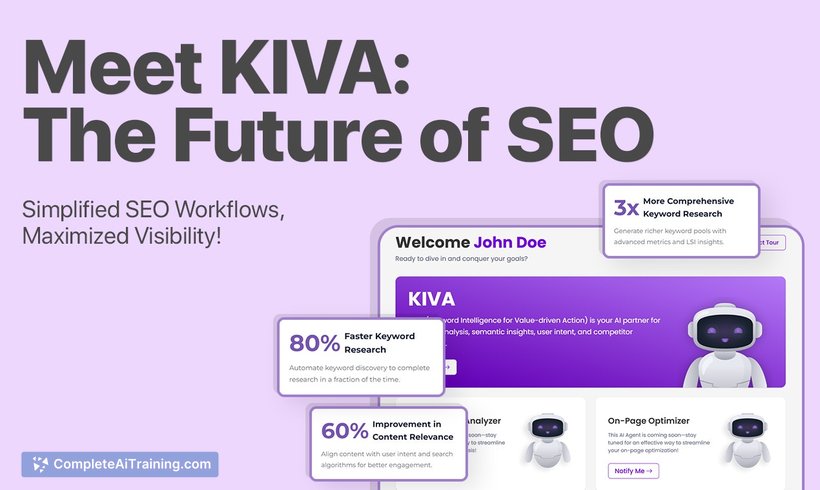
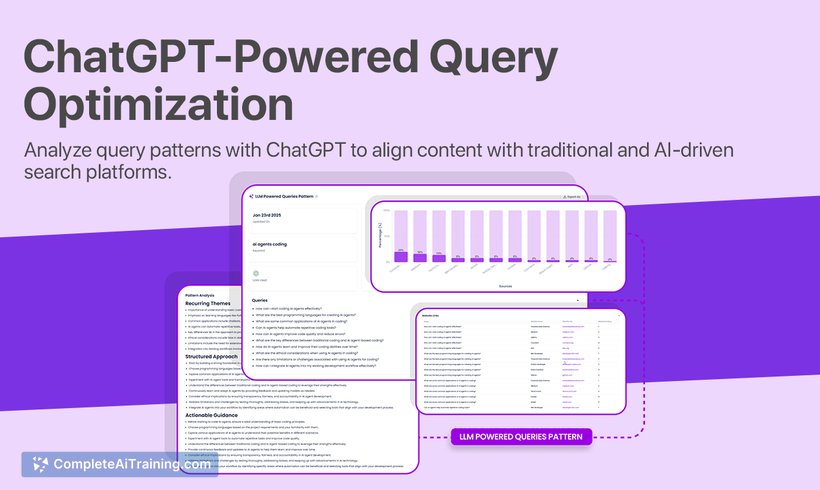
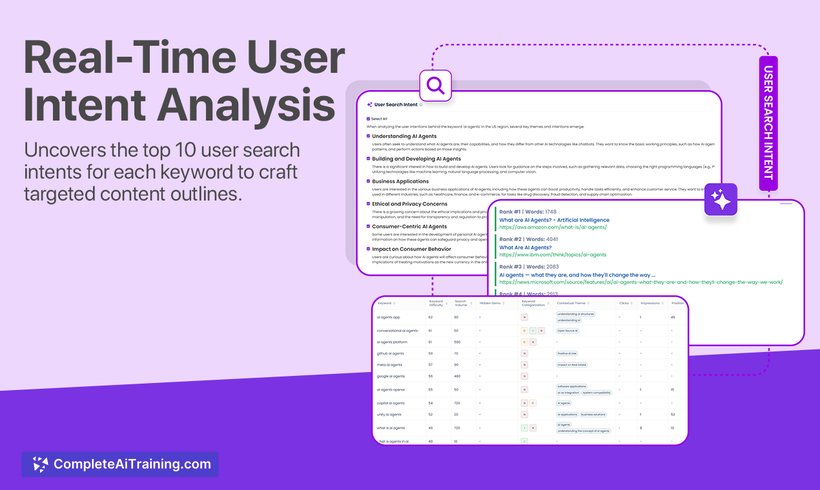
KIVA presents itself as a comprehensive tool for marketers seeking to streamline their SEO workflows. By combining traditional keyword research with AI-driven analysis of search intent and content optimization, it aims to save time while improving the quality of SEO strategies. Its integration of multiple search engines and large language models makes it a versatile option for modern digital marketing needs.
Key Features
- AI-generated keyword segmentation, including categories like Explorers, Reclaimers, Contenders, GameChangers, and TrendSpotters for targeted SEO efforts.
- In-depth SERP analysis across Google and LLM platforms such as ChatGPT, providing insights on content types and ranking factors.
- Automated content outline generation that compiles keywords, latent semantic indexing (LSI) terms, and user intent into structured plans within minutes.
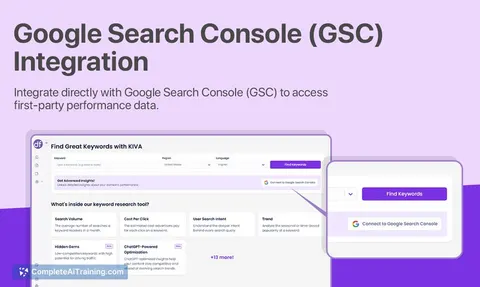
- Integration with Google Search Console to identify hidden keyword opportunities and optimize existing content performance.
- One-click automated workflow for creating optimized, high-quality content tailored to multiple search engines and AI platforms.
Pricing and Value
KIVA offers a free option for users to explore its core capabilities, making it accessible for startups and small businesses. Pricing details beyond the free tier are not explicitly provided, but the value proposition lies in its ability to reduce the time spent on keyword research and content planning significantly. By automating complex SEO tasks and integrating multiple data sources, KIVA can provide cost-effective benefits, especially for teams looking to enhance their SEO without investing in multiple separate tools.
Pros
- Comprehensive keyword segmentation that helps identify untapped opportunities and optimize existing content.
- Detailed SERP and intent analysis across multiple search engines and AI platforms, including ChatGPT.
- Fast content outline generation that saves considerable time compared to manual methods.
- Integration with Google Search Console adds deeper insight into keyword performance and potential.
- User-friendly interface with automated workflows simplifies SEO for marketers of varying experience levels.
Cons
- Limited publicly available information on advanced pricing plans and enterprise options.
- May have a learning curve for users unfamiliar with SEO terminology or AI-driven optimization techniques.
- As a relatively new tool, some features and integrations might still be evolving.
Overall, KIVA is well suited for agencies, startups, and SMEs looking to enhance their SEO strategies with AI assistance. It is particularly helpful for users who want to combine traditional keyword research with modern content optimization across multiple search engines and AI platforms. Marketers aiming for efficiency and actionable insights in their workflows will find KIVA a valuable addition to their toolkit.
Jobs KIVA suits
We checked KIVA against 500+ jobs; these get the most out of it.
Alternatives to KIVA
Other tools that do the same main job. Our AI compared KIVA with similar tools and kept the ones you could use instead.