AI tool
Liminary
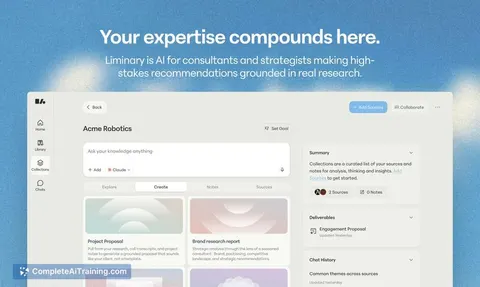
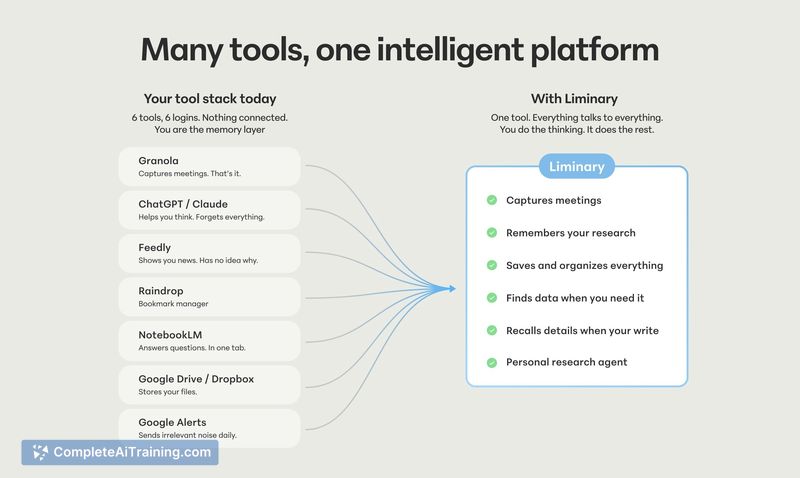
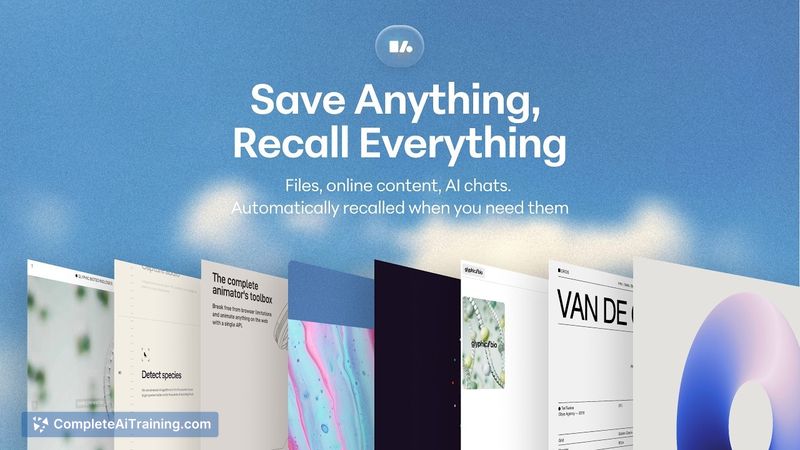
Liminary is a personal AI memory layer that stores files, web pages, videos, emails and chat transcripts so your AI tools use your curated context for consistent search, retrieval and writing.
About Liminary
Liminary is an AI-powered memory layer that turns saved files, notes, and meeting content into shared working memory across writing, meetings, and research. It surfaces relevant saved context automatically and attaches citations so outputs can be traced back to source material.
Review
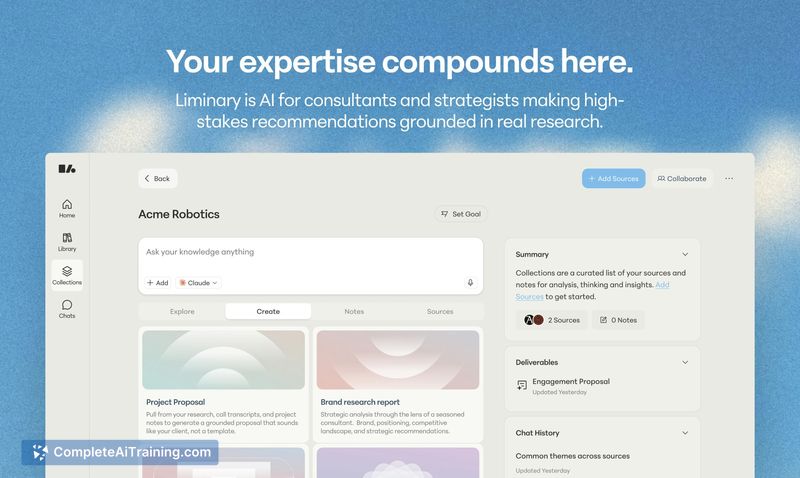
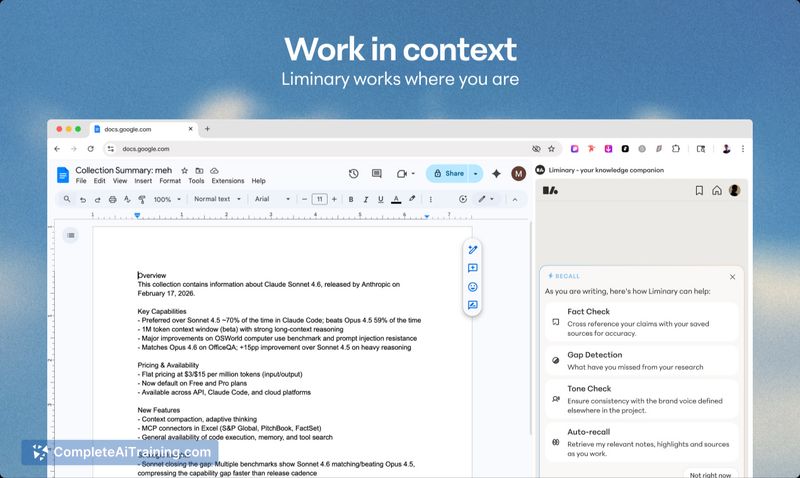
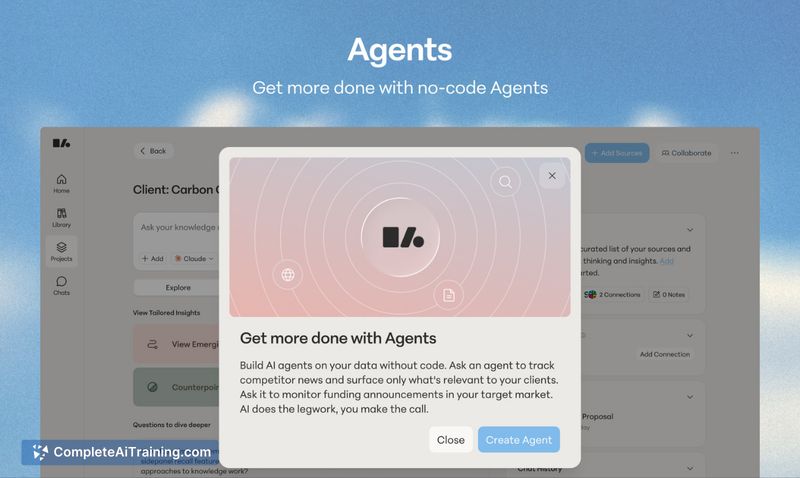
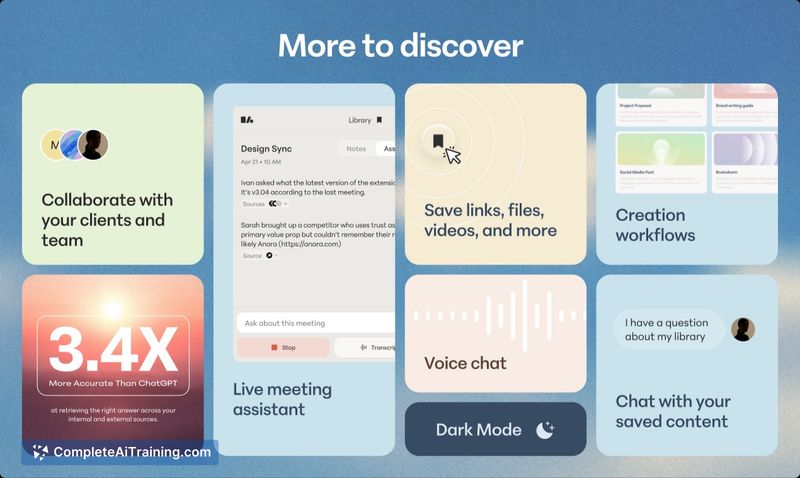
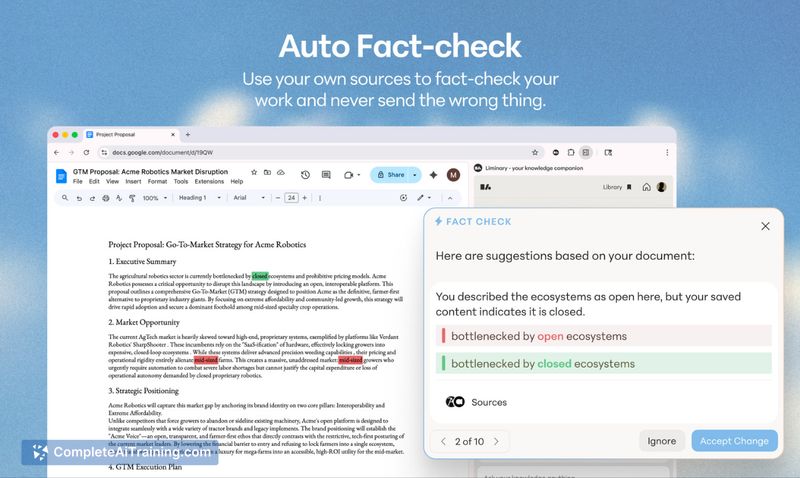
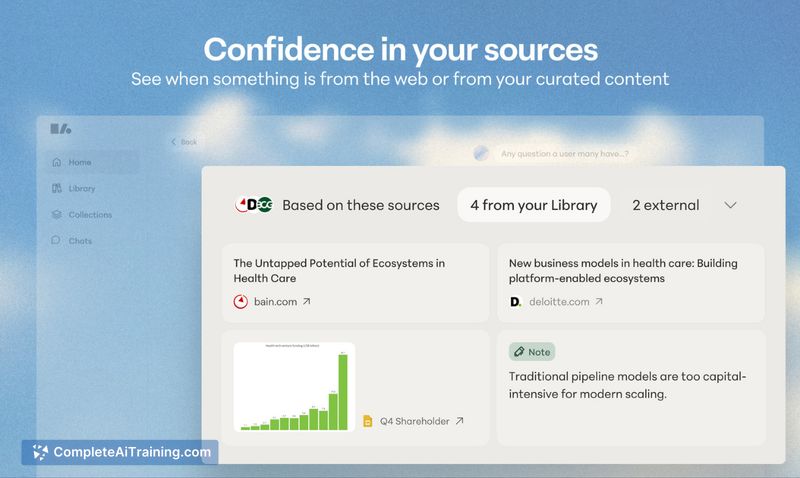
This tool aims to keep your private knowledge as the primary context for AI-assisted work, rather than relying on a model's generic training data. By tying generated responses to specific saved sources and by surfacing context proactively, Liminary targets people who need reliable, source-backed outputs while drafting documents or running meetings.
Key Features
- Shared memory across writing, meetings, and research so the same saved sources inform different workflows.
- Proactive recall that surfaces relevant saved context automatically as you work.
- In-context fact-checking and gap detection that compares claims against your personal library of sources.
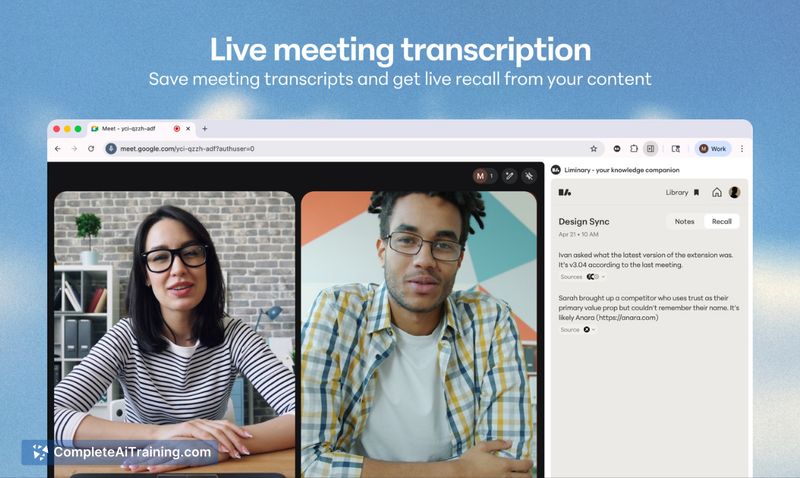
- Live meeting recall that links spoken topics to existing saved material without requiring a separate bot to take notes.
- Collections as the unit of isolation and retrieval, with traceable citations back to original sources.
Pricing and Value
Liminary offers free options and launched with a promotional discount (for example, a limited 20% off annual plans at launch). The pricing model appears subscription-based with additional tiers likely for larger teams or enterprise needs. The main value proposition is time saved in sourcing and verifying information and improved confidence in client-facing deliverables because outputs are grounded in what you or your team have already stored.
That value is strongest for users who repeatedly research the same clients, accounts, or topics. Prospective customers should weigh the convenience of cloud processing and centralized retrieval against any strict data residency or on-device processing requirements.
Pros
- Source-grounded outputs with one-click access to the exact saved documents that influenced an answer.
- Single shared memory that keeps writing, meetings, and research connected instead of scattered across tools.
- Tools to surface only high-relevance results and to dismiss or mark items as outdated so the system learns user preferences.
- Collections provide a practical boundary for engagement-level isolation, useful for consultants and multi-client workflows.
- Integrations such as a browser extension and a Google Docs sidekick fit into common knowledge-worker workflows.
Cons
- Processing runs in the cloud rather than fully on-device, which may be a concern for firms with strict technical controls or regulatory requirements.
- Some features that increase legibility of trust (for example, an explicit "authoritative source" marker) are not yet present and are noted as future improvements.
- As with any context-surfacing system, occasional irrelevant or excessive context can appear until the system adapts to user feedback.
Liminary is best suited to consultants, analysts, and independent professionals who bill for expertise and need fast, source-backed outputs across meetings and documents. It is a strong fit for teams that are comfortable with cloud-based processing and who value traceability and reduced time spent hunting for context.
Jobs Liminary suits
Useful in almost any job. We checked Liminary against 500+ jobs; these get the most out of it.