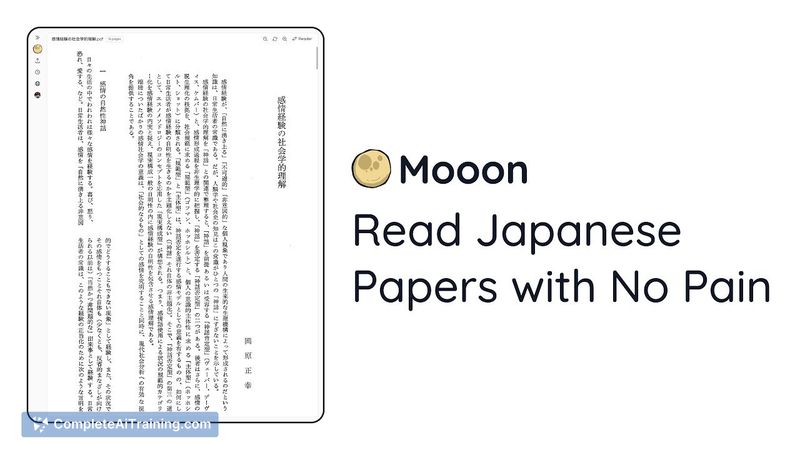
About Mooon
Mooon is a one-step processing engine for Japanese documents such as novels, academic papers, and handwritten notes. It automates layout optimization, furigana annotation, translation and audiobook generation, and accepts common file types including PDF, EPUB, image formats and plain text.
Review
Mooon aims to simplify the common friction points that come with working on Japanese texts by bundling OCR, layout handling and downstream outputs into a single workflow. For learners and researchers who need readable, annotated or audio-ready versions of Japanese material, the tool promises significant time savings compared with manual processing.
Key Features
- Layout optimization: converts vertical layouts to clean horizontal format and handles multi-column pages.
- Furigana annotation: automatic addition of readings for kanji and borrowed words to support comprehension.
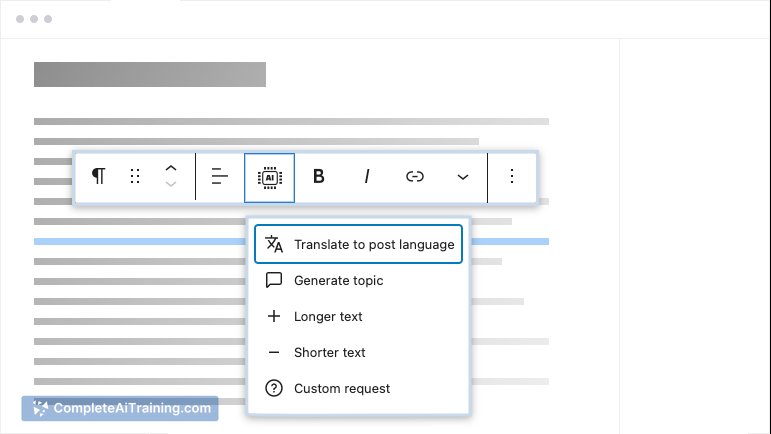
- Translation: file translation with options to keep the original text side-by-side for reference or citation.
- Audiobook generation: converts documents into natural-sounding Japanese voice output (uses the common Japanese accent and offers character voices).
- Multi-format input and OCR pipeline: accepts PDF, EPUB, PNG/JPG/WEBP and TXT, with an integrated OCR/layout/semantic extraction step.
Pricing and Value
The launch materials note that free options are available, though detailed tiered pricing and limits are not publicly listed. For users evaluating value, the main return is saved manual effort-particularly for reading practice, digitizing reference material, or producing accessible audio versions. Prospective users should check the official site for updated plan details and any usage caps or commercial terms.
Pros
- Automates repetitive tasks like layout conversion and furigana, which can speed up reading and study workflows.
- Supports a wide range of input formats, making it useful for digitizing disparate source files.
- Side-by-side translation and audiobook output increase usefulness for academic citation and accessibility.
- Good fit for intermediate learners who want smoother reading flow without constant dictionary lookups.
Cons
- Pricing details and limits beyond free options are not clearly published at launch, making long-term budgeting unclear.
- Audiobook output currently targets the common Japanese accent; regional pitch accent differences are not supported.
- It is not specified whether heavy processing runs locally or via cloud services, which may raise privacy or data-hosting questions for sensitive documents.
Overall, Mooon is best suited for intermediate learners, researchers, students and hobby readers who need faster ways to annotate, translate or listen to Japanese texts. It provides practical features for reading, archiving and accessibility, but prospective users should verify pricing and data-handling policies before committing to large or sensitive workloads.
Open 'Mooon' Website
Your membership also unlocks: