AI tool
Omarchy
Omarchy is an Arch-based Linux desktop designed for agent-assisted computing. It exposes system internals through files and commands, making the OS easier for users and AI agents to inspect, modify, and repair.
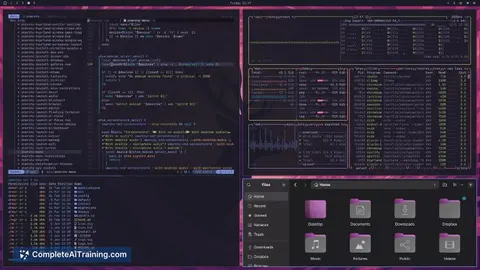
About Omarchy
Omarchy is a Linux desktop distribution built on Arch, Hyprland, and Quickshell. It ships as a pre-configured, keyboard-first workstation with system-wide themes and packaged updates. The system includes coding agents that can modify the setup itself, rather than requiring manual assembly by the user.
Review
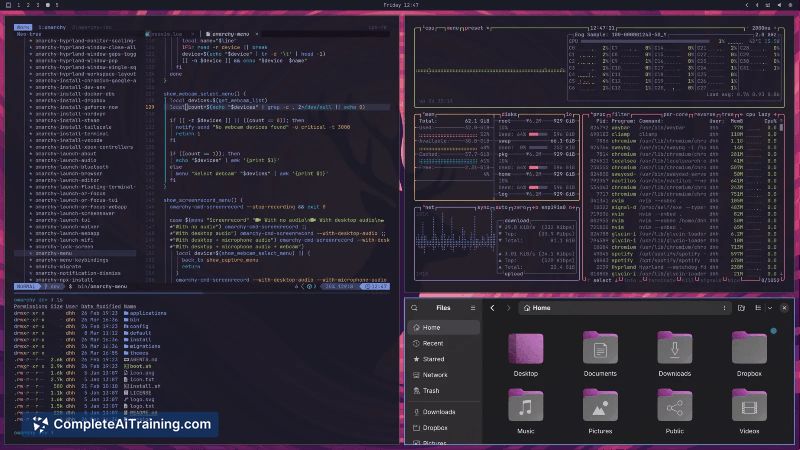
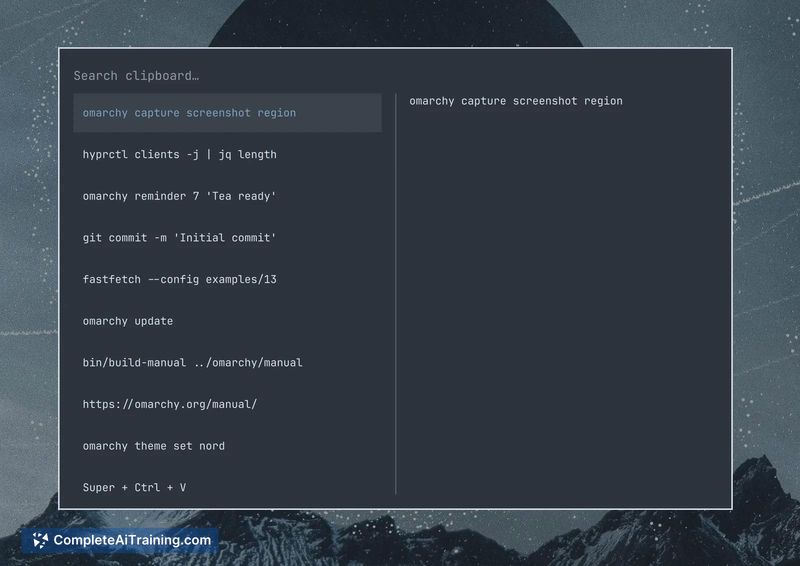
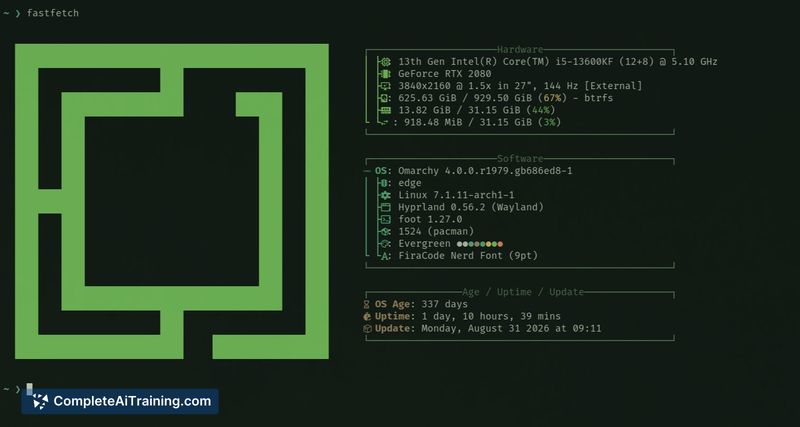
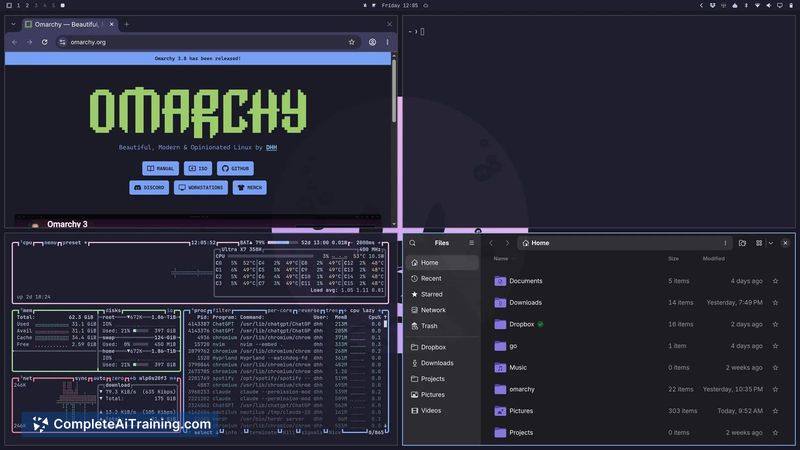
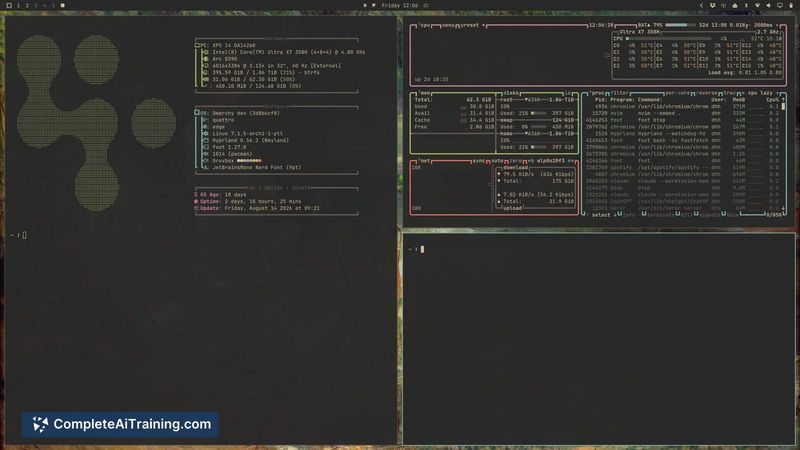
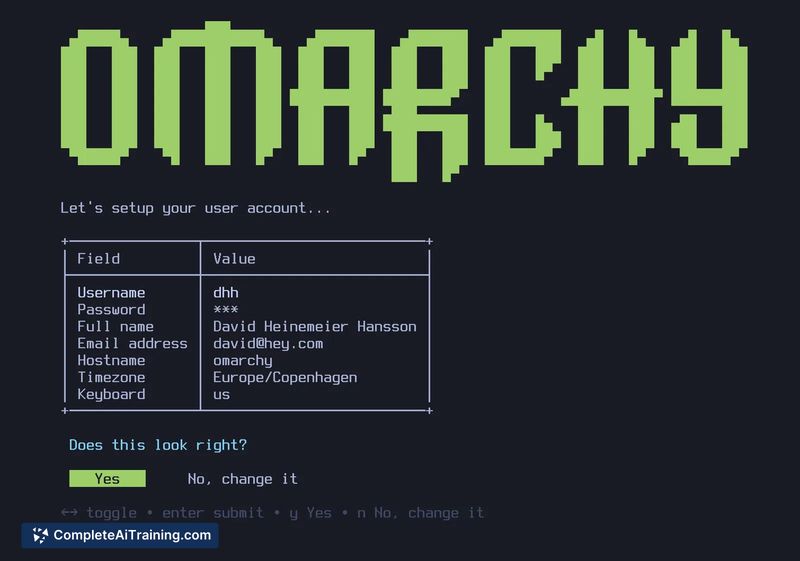
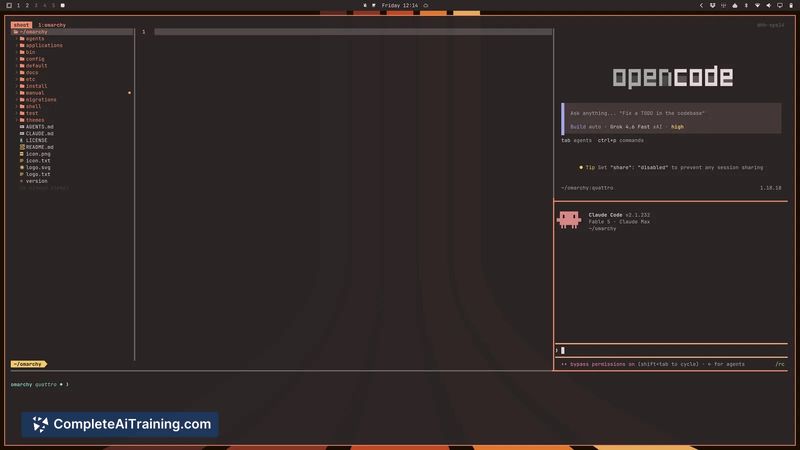
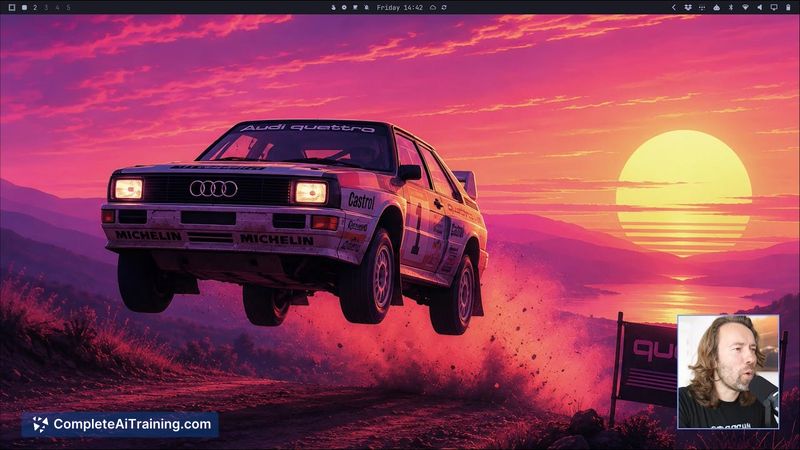
Omarchy v4.0.0, referred to as "Quattro," marks a shift from a themed Arch install toward a desktop with its own design language. The distribution uses an "omakase" approach - strong default choices are made upfront, but agents can reshape those decisions afterward. It's a concept that raises questions about how users interact with an operating system that can rewrite parts of itself.
Key Features
- Keyboard-first Hyprland desktop with system-wide themes and packaged updates.
- Coding agents that inspect, change, and repair the system through its exposed files and commands.
- Omakase defaults that establish a cohesive starting point without locking users into permanent configurations.
- Steam installation available directly from the system menu.
Pricing and Value
Omarchy is listed as free. No paid tiers or subscription models appear in the current release information. Whether a commercial offering will emerge later is not yet defined.
Pros
- Agents can modify the OS post-install, which makes diverging from defaults cheaper than manual reconfiguration.
- The system exposes internals through standard files and commands, giving agents direct access to what they need.
- Packaged updates and pre-applied themes reduce the time spent on initial setup compared to a bare Arch installation.
- Steam support is built into the menu, simplifying game installation on Linux.
- The "omakase" model provides a clear starting point while still allowing deep customization through agents.
Cons
- Agent-driven system changes introduce rollback concerns - if an agent modifies configuration while unattended, reverting specific changes currently depends on dotfile versioning in git and recent commits.
- The distribution is not well suited for users who prefer a traditional desktop environment with graphical configuration tools rather than a keyboard-first, tiling window manager workflow.
- The concept of an "agent OS" remains undefined, and the long-term behavior of a desktop that agents can reshape is still an open question.
Omarchy fits users who are comfortable with Arch and Hyprland and want to experiment with agent-mediated system configuration. It's less appropriate for those who need a stable, conventional desktop where the operating system stays predictable and doesn't change itself. The project is still forming its identity, and watching how the agent-OS idea develops will tell more about where it lands.
Jobs Omarchy suits
We checked Omarchy against 500+ jobs; these get the most out of it.