About PrivacyPal
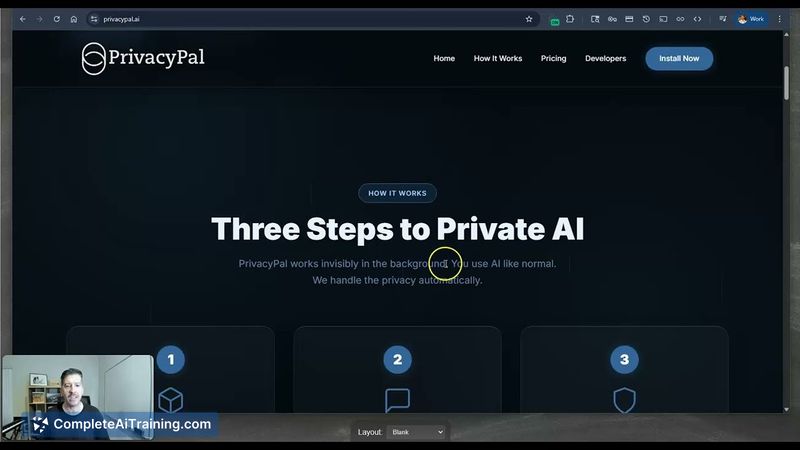
PrivacyPal is a browser extension that aims to secure an organization's use of third-party large language models by replacing sensitive inputs with synthetic equivalents. It focuses on preserving the context and structure of original data so AI responses remain accurate while reducing data exposure.
Review
PrivacyPal addresses the common tension between data protection and useful AI output by swapping sensitive data for synthetic "Privacy Twins" instead of redacting it. The extension also provides governance features such as audit logs and visibility into prompts sent to external models.
Key Features
- Privacy Twins™ synthetic swap that replaces sensitive values while keeping contextual structure for LLMs.
- Full audit logs and governance tools to track prompts sent to third-party models and identify high-risk activity.
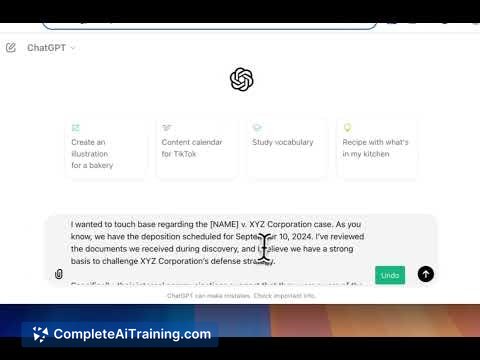
- Browser extension deployment that operates in real time between the user and the model without requiring internal LLM hosting.
- Local reconstitution of original data in the browser so users retain a natural experience while external services see synthetic data.
Pricing and Value
Public details indicate a free option is available and the service has offered promotional discounts (for example, a temporary 50% off promotion). Exact tiered pricing for individual, team, or enterprise plans is not listed publicly, so prospective buyers should contact the vendor for quotes and volume discounts. The value proposition centers on preventing data leaks while maintaining AI output quality and supplying the auditability organizations need for compliance.
Pros
- Maintains LLM output quality by using synthetic replacements rather than blacking out content.
- Provides concrete governance visibility with comprehensive prompt audit logs.
- Easy to deploy via a browser extension, reducing lift for IT teams compared with building internal models.
- Local swap-and-replace preserves user workflow and reduces friction for employees using public AI tools.
- Helps teams identify and address Shadow AI usage before it becomes a larger risk.
Cons
- Requires users to install the extension or IT to enforce installation; coverage is limited where the extension cannot be applied.
- Synthetic swapping may not perfectly preserve every subtle semantic nuance for all data types, which could affect edge-case outputs.
- Does not eliminate general third-party processing risk; sensitive material still leaves the local environment in synthetic form and governance depends on proper configuration.
PrivacyPal is well suited for teams that regularly use public LLMs and need a low-friction way to reduce data leakage while keeping AI responses useful-particularly security, compliance, and product teams. Organizations should weigh deployment constraints (browser coverage and install enforcement) and validate swap fidelity for their critical data types before wide rollout.
Open 'PrivacyPal' Website
Your membership also unlocks: