About Subgrapher
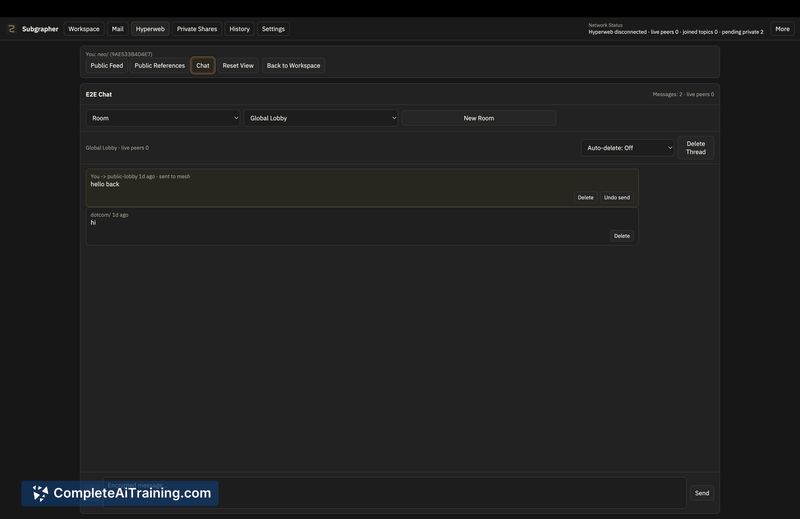
Subgrapher is a peer-to-peer desktop application for building, browsing, and sharing knowledge. It blends a local-first AI workspace with tools such as an email-like client and a personal organizer, and it is offered as an open-source project that is still in active development.
Review
Subgrapher attempts to break information out of isolated apps and centralized servers by enabling references, research, messages, and small agents to move between users without always depending on a central host. The project shows promise for people who want a privacy-minded, shareable knowledge graph, though it is early-stage and some features are still being refined.
Key Features
- P2P local-first knowledge graph for storing and linking research and references.
- Semantic references and a "hyperweb" model that lets users publish, fork, and import shared references.
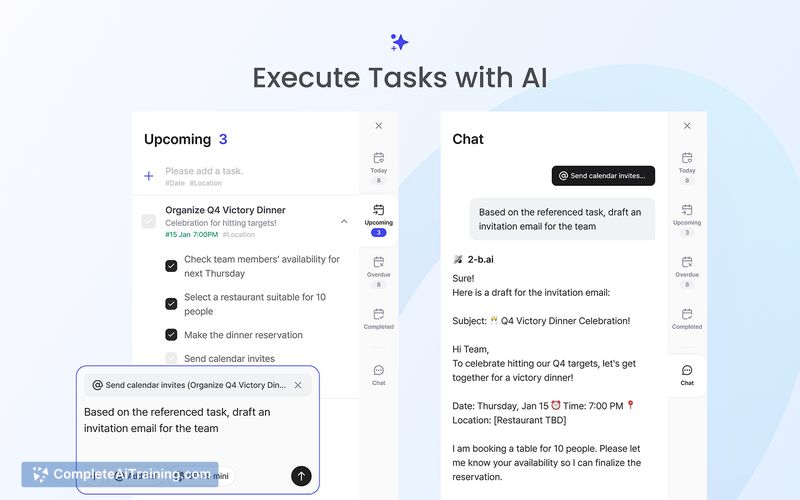
- Integrated mail-style client and personal organizer for time and event management.
- Decentralized messaging and voting mechanisms to help with discovery and community-driven curation.
- Support for interacting with local models through a remote interface to assist reasoning over work.
Pricing and Value
Subgrapher is available for free in its launch phase and is open source, which lowers the barrier to entry for individual researchers and small teams. The value proposition centers on privacy, portability of knowledge, and the ability to share curated references without routing everything through a single provider. Users should weigh this against the current maturity level and potential need for technical setup or self-hosting elements.
Pros
- Privacy-focused local-first approach keeps data under the user's control.
- Combines multiple productivity functions (knowledge graph, messaging, organizer) in one app.
- Open-source model encourages community contributions and transparency.
- Forking and importable references make collaborative research and reuse straightforward.
Cons
- Early-stage software: some features are incomplete and workflows may change as development continues.
- Discovery relies on community voting and published references, which may limit findability until a larger user base forms.
- Users with limited technical experience might face a learning curve for setup and linking with local AI models.
Subgrapher is best suited for researchers, small teams, and privacy-conscious users who want a local-first place to collect and share references and notes. It will appeal to people willing to test early software and provide feedback, while those who need a polished, turn-key platform may prefer to wait until the project matures further.
Open 'Subgrapher' Website
Your membership also unlocks: