About Switch
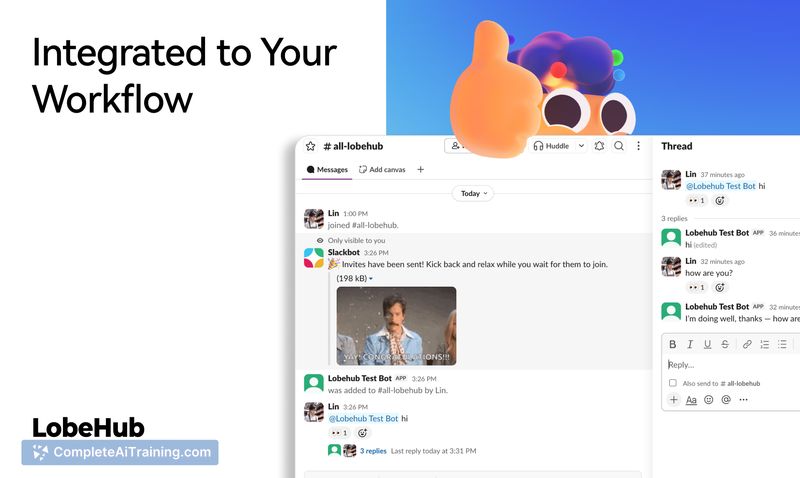
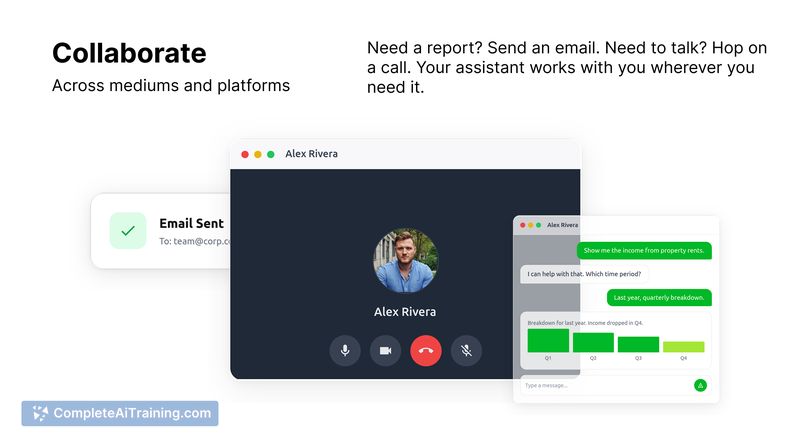
Switch is an open-source tool that connects AI agents to team communication platforms. Agents appear as named participants in Slack, Teams, Discord, or Telegram channels, sharing the same message history and context as human team members. The tool is self-hostable and can be running in approximately ten minutes, according to its makers.
Review
Switch addresses a specific friction point in team-based AI use: the back-and-forth between isolated agent interfaces and group chat. Instead of copying outputs from an AI tool into Slack and explaining context to colleagues, an agent sits in the channel and participates directly. The software is built by SandboxAQ and launched this week as an open-source project.
Key Features
- Agents join Slack, Teams, Discord, or Telegram channels as named participants with access to channel context.
- Room-based architecture where each channel carries its own context, participants, and rules. An agent is configured once and then used across multiple rooms.
- Works with Claude Code, OpenAI, Google ADK, LangChain, and other agent frameworks.
- Channel-level instructions let you set behavior rules for all agents in a room - for example, requiring agents to stay concise, reply only in threads, or respond only when mentioned.
- Permission controls that default to locked-down: only the agent owner can interact with a new agent until they open access to other users, agents, or rooms.
Pricing and Value
Switch is free and open source. The code is available for self-hosting. The makers have not published any paid tiers or enterprise pricing as of this launch. Live onboarding sessions run weekly at no cost, and documentation is served over MCP so AI tools like ChatGPT or Claude can read it directly to assist with setup.
Pros
- Removes the need to copy-paste agent outputs into team chat - agents participate where conversations already happen.
- Self-hostable design gives teams with privacy requirements control over their data and infrastructure.
- Room-level context means each channel maintains its own instructions and history, which reduces reconfiguration when moving between projects.
- Defaults are restrictive: new agents only respond to their owner, cutting down accidental exposure.
- Framework-agnostic integration supports multiple AI agent stacks without locking into one vendor.
Cons
- Setup requires technical knowledge. The makers acknowledge the experience is optimized for developers who can then provide agents to non-technical colleagues.
- Switch is not well suited for teams without at least one person comfortable running self-hosted infrastructure and configuring agent connections.
- No built-in guard against unbounded agent-to-agent conversations if users intentionally configure agents to respond to each other - the tool won't stop that behavior, though defaults prevent it from happening accidentally.
Switch fits teams that already use AI agents in their workflow and want those agents present in Slack or Discord instead of a separate interface. It's most practical when a developer on the team can handle the initial setup and then hand configured agents off to the wider group. The makers have stated that a non-technical setup path is a future consideration, but it is not available now.
Open 'Switch' Website
Your membership also unlocks: