About: Toolpad
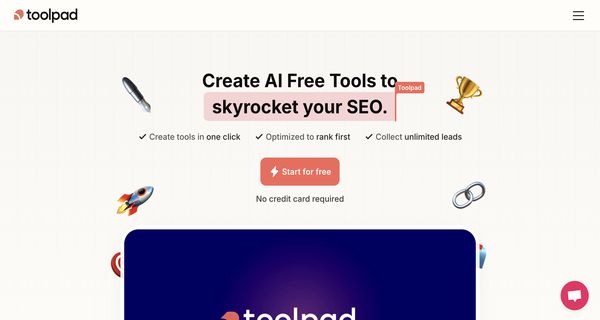
Toolpad is a versatile open-source platform designed for the rapid development of custom internal tools and dashboards, leveraging a low-code approach. It features an intuitive drag-and-drop interface, enabling users to assemble applications quickly using a collection of pre-built components. This allows developers and non-developers alike to create tailored solutions that seamlessly connect with existing backend services and APIs, enhancing operational efficiency.
Key features of Toolpad include extensive customization options, a library of ready-to-use widgets, and robust integration capabilities that facilitate data-driven decision-making. Organizations can utilize Toolpad for a variety of applications, such as streamlining workflows, visualizing data analytics, or managing internal processes with ease.
What sets Toolpad apart is its commitment to flexibility and control, empowering teams to host the platform on their own infrastructure. This self-hosting option not only ensures data security but also allows for greater customization and adaptation to specific organizational needs, making Toolpad a valuable asset for any organization looking to optimize its internal operations.

Review: Toolpad
Introduction
Toolpad is an open-source, low-code platform designed for building custom internal tools and dashboards. Aimed primarily at developers and internal teams, it empowers organizations to create tailored applications quickly and efficiently, integrating seamlessly with existing backend services and APIs. Its relevance stems from the growing need for rapid digital transformation within businesses, offering a cost-effective solution that reduces the need for extensive coding while maintaining customization and control.
Key Features
- Drag-and-Drop Interface: A visual builder that simplifies the creation of custom tools and dashboards, making the development process more accessible.
- Pre-built Components: Offers a library of ready-to-use components, significantly cutting down the development time required to build functional applications.
- Seamless Integration: Easily connects with existing backend services and APIs, providing robust interoperability for your internal systems.
- Customization and Flexibility: Being open-source, Toolpad allows for deep customization and self-hosting options, ensuring full control over your internal applications.
- Rapid Development: Optimized for speed, it enables teams to prototype and deploy tools swiftly, which is especially beneficial in dynamic business environments.
Pros and Cons
- Pros:
- Easy-to-use drag-and-drop interface that accelerates development.
- Rich set of pre-built components to streamline the creation process.
- Strong integration capabilities with existing systems.
- High level of customization due to its open-source nature and self-hosting options.
- Cost-effective solution for organizations looking to minimize extensive coding efforts.
- Cons:
- Primarily focused on internal tool development, which might limit its applicability for customer-facing applications.
- May require a basic level of technical expertise to fully customize and integrate into complex environments.
Final Verdict
Toolpad is a strong contender for organizations looking to build internal dashboards and tools rapidly and without the overhead of extensive coding. Its user-friendly interface, diverse pre-built components, and robust integration features make it an attractive option for internal development teams. However, those in need of platforms for customer-facing applications or teams without even basic technical capabilities might find it less suitable. Overall, Toolpad offers a balanced blend of ease-of-use, flexibility, and cost-effective value for businesses focused on streamlining internal operations.
Open 'Toolpad' Website
Your membership also unlocks: