AI tool
Voxel51 Multimodal
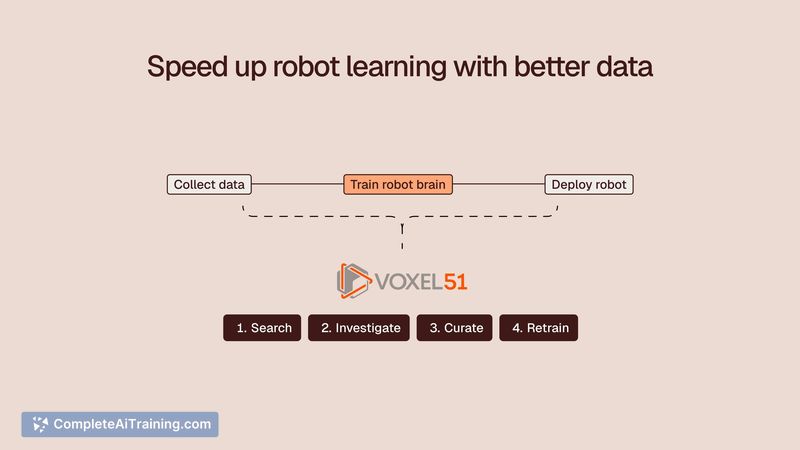
Voxel51 Multimodal is a data platform for robotics teams to sift through video and sensor data, identify robot failures, and fill training data gaps to improve models faster.
About Voxel51 Multimodal
Voxel51 Multimodal is an end-to-end multimodal data platform built for physical AI and robotics teams. It indexes robot episodes and lets users search, visualize, curate, and label data from synchronized camera feeds, robot states, actions, and sensor streams. The platform supports MCAP, LeRobot, and URDF formats natively.
Review
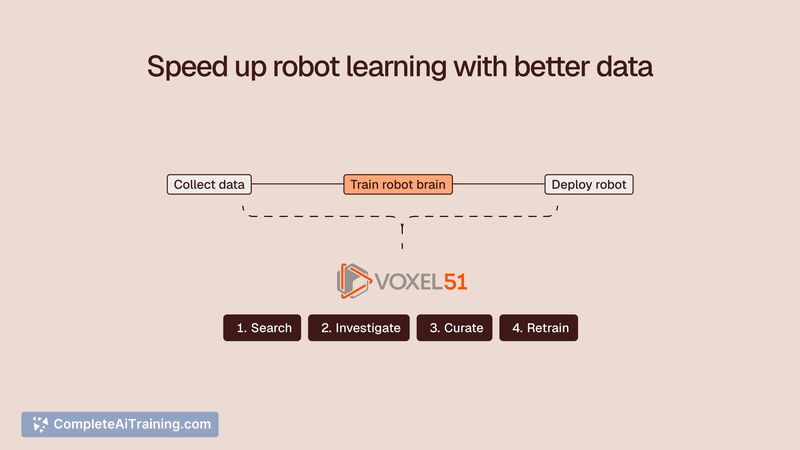

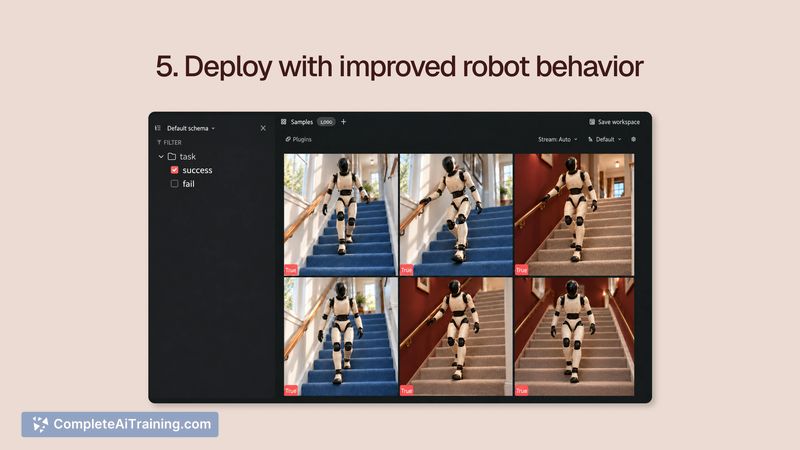


Voxel51 Multimodal targets a specific problem in robot learning: the time and compute wasted on training data that doesn't improve downstream behavior. The platform turns raw robot recordings into searchable, curated datasets. It launched this week as the third product release from Voxel51, following FiftyOne and VoxelGPT.
Key Features
- Voxel51 Agent: An indexing system that answers natural language questions about robot data, such as "Where is task success rate lowest?" or "Find episodes where the robot failed to complete a grasp."
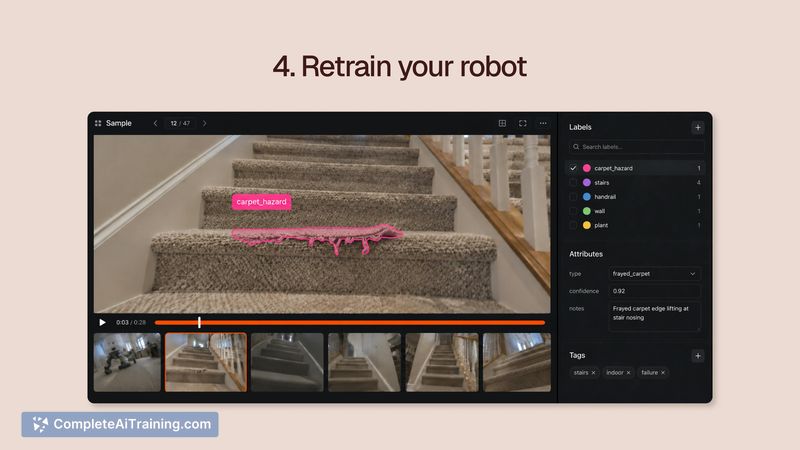
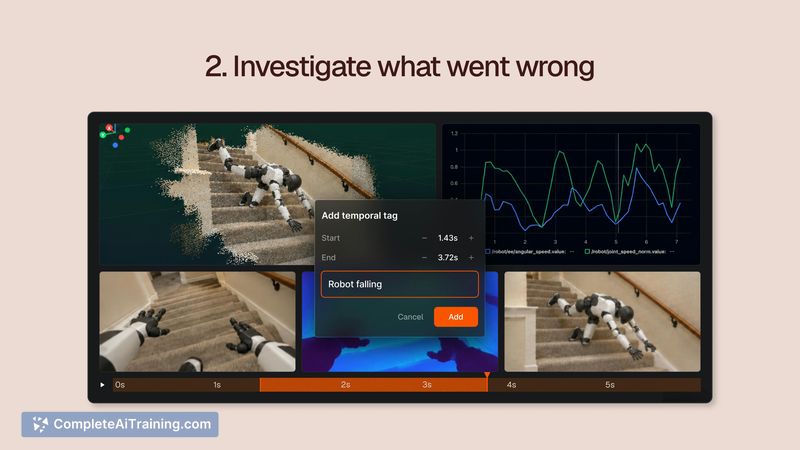
- Synchronized episode replay: Side-by-side visualization of camera feeds, robot states, actions, and sensor data, with the ability to replay episodes before, during, and after a failure.
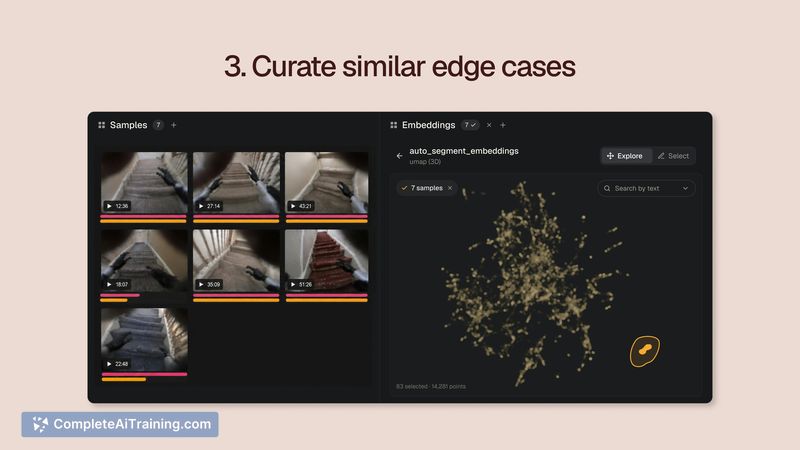
- Embeddings panel: A view for identifying anomalies in training data by uploading data and exploring embedding spaces.
- Dataset curation tools: Functions for surfacing edge case scenarios, prioritizing episodes, and building training datasets from selected data.
- Model evaluation loop: A workflow for evaluating new policies, comparing performance against previous runs, and feeding insights back into the next training iteration.
Pricing and Value
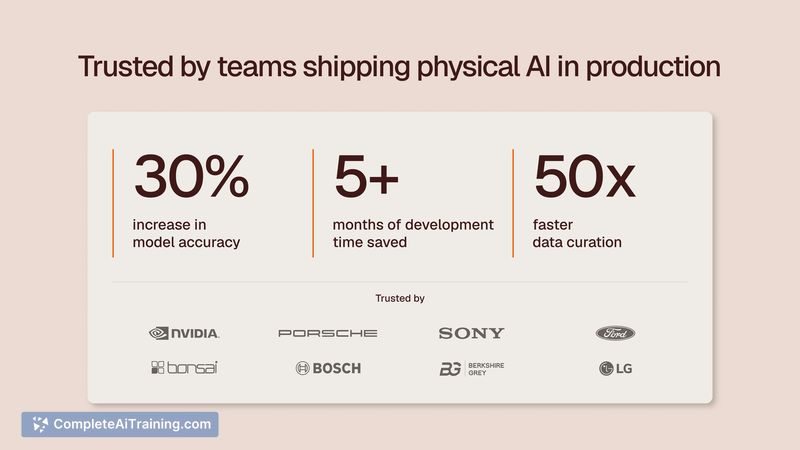
Voxel51 Multimodal is available as a free tier, described on the launch page as "Try Voxel51 for free." Specific pricing details for paid tiers are not yet defined on the current launch materials. The company reports customer results including up to 30% improvement in model performance, 5+ months of development time saved, and iteration on data up to 50× faster. These figures come from the launch announcement and have not been independently verified.
Pros
- Indexes robot data automatically and answers questions in natural language through the Voxel51 Agent.
- Native support for MCAP, LeRobot, and URDF formats covers common robotics data pipelines.
- Replays synchronized multimodal data streams, which helps teams trace failures across camera, state, and sensor inputs.
- Free tier lets teams test the platform on their own data without upfront cost.
- Combines search, investigation, curation, and model evaluation in a single system of record.
Cons
- Not well suited for teams working outside physical AI or robotics; the tool assumes robot episode data with synchronized sensor streams.
- Pricing beyond the free tier is not yet published, which makes budget planning difficult for teams evaluating the platform.
- As a launch-week product, it lacks an established track record of independent reviews or long-term usage data.
Final Notes
Voxel51 Multimodal fits teams that already collect robot episode data and need to locate failure cases, understand what happened, and build better training sets from those findings. It may also work for perception-focused robotics projects where quick dataset bootstrapping and visual reporting matter. Teams still in early data collection stages or those without synchronized multimodal recordings will likely find less immediate use for the platform.