AI tool
Zaro
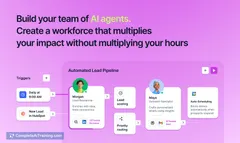
Zaro is an AI operations layer that handles repetitive operational tasks for teams, so they can focus on work needing human input. It connects to your current tools and adapts to your workflows, charging by usage.
About Zaro
Zaro is an AI-powered, no-code platform that pulls together scattered context from tools like Gmail, Slack, and notes into a unified layer. Users describe what they want in natural language, and Zaro builds working apps and agents from that existing context - no glue code or manual configuration required. Apps then keep themselves updated by checking connected sources daily.
Review
Zaro entered public launch this week, targeting the operational busywork that accumulates across disconnected tools. The core pitch is straightforward: your context already lives in the apps you use every day, so Zaro skips the setup-heavy approach of traditional no-code builders and starts from what's already there. It's a different starting point, and one that shifts the burden from configuration to description.
Key Features
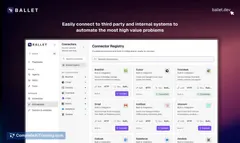
- Single-prompt app and agent creation. Users connect tools like Gmail and Slack, then describe what they need. Zaro pulls relevant context across those sources and builds a working app without manual schema definition.
- Context infrastructure rebuilt for agents. Instead of relying on vector stores that treat all data as equally current, Zaro tracks recency, source, and relationships - so a Slack decision from last week overrides the month-old doc it supersedes.
- Manual context control. Users can see what context Zaro is pulling, scope it to specific sources, and exclude what doesn't belong. The system works automatically by default but leaves steering in the user's hands.
- Self-updating apps. Built apps check connected sources daily and refresh themselves, which means a reporting app or lead tracker stays current without manual re-pulling of data.
- Natural language editing. Non-technical users can modify workflows, agents, and apps by describing changes in plain language rather than reconfiguring logic.
Pricing and Value
Zaro uses a credit-based pricing model instead of per-seat subscriptions. Users pay only for what they actually consume. A free tier is available, and the launch includes a three-month 50% discount. Exact per-credit costs or credit consumption rates for typical workflows are not specified in the current product page. The team has indicated that spend predictability features, such as caps or forecasting before a workflow runs, are under discussion but not yet implemented.
Pros
- Cuts out the configuration step by pulling context directly from tools users already work in.
- Daily app refresh means reports and trackers don't go stale without manual intervention.
- Credit pricing avoids charging for idle seats, which matters for small teams with fluctuating usage.
- Manual override on context selection prevents the system from silently using irrelevant or outdated information.
- App marketplace inside the product offers starting points instead of a blank canvas.
Cons
- No polished library of role-based example workflows exists yet - the team describes it as something they are building out, so new users start without structured templates for specific roles like recruiting ops or support reporting.
- Conflict resolution between contradictory sources is still being actively worked on. When a Slack thread and a research doc disagree, Zaro surfaces the conflict rather than inheriting it, but handling softer judgment calls remains an area of improvement.
- Teams that need strictly deterministic, branch-by-branch workflow automation may find Zaro a poor fit. The platform absorbs complexity rather than exposing it for hand-configuration, which makes it less suited for processes where every conditional path must be explicitly defined.
Zaro makes the most sense for lean teams, founders, and ops leads who feel the drag of recurring manual work across scattered tools and want to automate it without writing code or spending weeks on onboarding. It's less appropriate for organizations that require predictable, fixed-cost billing or workflows where every decision branch needs a human-defined rule. The tool's handling of messy, contradictory context is promising in principle, but teams that depend on precise, auditable decision trails will want to watch how the conflict-resolution features mature.
Jobs Zaro suits
We checked Zaro against 500+ jobs; these get the most out of it.
Alternatives to Zaro
Other tools that do the same main job. Our AI compared Zaro with similar tools and kept the ones you could use instead.