Build and Launch No-Code AI Apps & Agents with Google AI Studio (Video Course)
Skip the coding grind. This hands-on course shows you how to turn plain-English ideas into real, no-code apps, automations, and voice agents in Google AI Studio,then launch with a shareable link. Copy ready-made prompts, follow a 30-day plan, and ship fast.
Related Certification: Certification in Building & Deploying No-Code AI Apps & Agents-Google AI Studio

Also includes Access to All:
What You Will Learn
- Create deployable no-code AI apps and autonomous agents with Google AI Studio.
- Craft precise prompts to define inputs, outputs, constraints, and behavior.
- Train apps with your documents and integrate Google data sources (Sheets, Search, Maps).
- Add voice, multimedia, or imported UIs (Stitch) and deploy shareable/embedable URLs.
- Spot high-leverage automation via time audits and measure ROI for each build.
Study Guide
Build Anything With Google AI Studio: Here's How
Let's be honest: most people don't want to learn how to code. They want working tools that save time, make money, and remove busywork. Google AI Studio gives you exactly that. You describe what you want in plain English, and it assembles the moving parts behind the scenes,using models like Gemini 3 Pro,to produce an actual, deployable app. Not just a chat. A tool you can launch, share, and embed.
This course is a complete learning guide that takes you from zero to building your own custom apps, automations, and agents,without code. We'll unpack core concepts, show you where the leverage is, walk through step-by-step builds, and move from simple tools to advanced agents (including voice). You'll get prompts you can copy, best practices, and a 30-day plan to integrate AI Studio into your life or business.
The goal: turn your ideas into software, fast. You'll stop reading about AI and start using it to create results you can count.
What This Covers and Why It Matters
Google AI Studio is a free, web-based platform for building custom AI applications with text prompts. It collapses the traditional barriers,code, cost, and time,so anyone can create internal tools, customer-facing agents, and content systems in minutes. The platform runs on advanced models like Gemini 3 Pro and plugs into Google's ecosystem for data and deployment. You'll learn how to build, train, and deploy apps with a shareable link, plus how to integrate your own knowledge to make them specific to your business.
Why it matters: most of your day is a loop of repetitive tasks. When you automate those loops, you get exponential leverage,more output with less effort. That's the game here.
Core Concepts and Terminology (Plain English)
Before we build, let's align on language you'll see throughout this course,with real examples so it sticks.
Google AI Studio: A no-code builder for Generative AI apps. You type instructions, it outputs functioning tools.
Example 1: A "Meeting Notes Summarizer" that turns long transcripts into bullet points and action items.
Example 2: A "Social Proof Generator" that analyzes customer reviews and writes testimonial snippets for landing pages.
Gemini 3 Pro: Google's powerful multimodal model behind AI Studio. It understands text, can reason, and can handle complex tasks across domains.
Example 1: Parsing a dense policy document and generating a clear FAQ for end users.
Example 2: Turning a messy content brief into a full editorial calendar with headlines, angles, and keyword clusters.
Prompt: The instruction you give the system. Clarity determines quality.
Example 1: "Create a time tracking dashboard with daily, weekly, and monthly views. Include tags for task types and an AI button that recommends automations."
Example 2: "Build a knowledge-based agent that answers questions about my product from uploaded docs and asks a follow-up if it's uncertain."
AI Agent: An application that performs tasks autonomously, not just chat. It can ask questions, follow steps, and deliver outputs consistently.
Example 1: A "Lead Qualifier" that interviews site visitors and scores them for your CRM.
Example 2: A "Research Assistant" that fetches information, synthesizes it, and produces a structured report.
Leverage: A small effort that unlocks a big payoff over time. In automation, that's building once to save hours every week.
Example 1: Automating weekly marketing reporting across channels to save three hours every Monday.
Example 2: A customer support agent that answers common questions so your team handles only the edge cases.
Time Audit: Track where your time goes for a few days. You'll spot patterns,and those patterns point to automation opportunities.
Example 1: You spend 45 minutes daily rewriting emails. Build an "Email Reply Assistant."
Example 2: You manually collect links for a weekly newsletter. Build a "Content Curator" that drafts the issue for you.
Deployment: One-click publish with a shareable URL. You can run it as a standalone site or embed it in your existing website.
Example 1: A public "Mortgage Calculator + Pre-Qual Questions" for a real estate site.
Example 2: An internal "Project Estimator" embedded on your team's Notion page.
The New Paradigm: From Code to Conversation
Old model: learn Python, set up frameworks, hire developers, wait weeks, pay thousands, pray it works. New model: describe what you want and let the system assemble the plumbing. AI Studio is an instruction-first platform. You say "Build a tool that does X," it handles UI scaffolding, logic, and AI orchestration. The more specific your prompt, the more accurate the tool.
Two ways to feel the difference instantly:
Example 1:
"Create a lightweight CRM where I can add leads, tag them by source, and auto-generate personalized follow-up emails with variables {first_name}, {company}, and {service_interested}. Include a dashboard with lead stages and a 'Generate Weekly Outreach Plan' button."
Example 2:
"Build a personal writing studio. I paste a rough draft, it analyzes tone and structure, suggests a stronger outline, and returns two improved versions with different styles. Add a 'Polish for Clarity' option that removes fluff without losing voice."
Both used to require front-end, back-end, and extra tools. Now it's a prompt and a few tweaks.
What You Can Build: Core Capabilities and Features
AI Studio gives you building blocks you can stack into real products. Here are the big ones,with practical examples and tips.
No-Code App Generation: Type a description, get a working application. UI, logic, and model calls are created for you.
Example 1: "Podcast Notes Generator" that ingests a transcript and outputs a summary, quotes, and show notes.
Example 2: "Client Onboarding Checklist" that adapts requirements based on client type and sends a next-step summary.
Model Selection (default: Gemini 3 Pro): Pick your model based on task complexity and reasoning needs.
Example 1: Choose Gemini 3 Pro for multi-step reasoning like research synthesis or compliance summarization.
Example 2: Use lighter models (if available in your account) for high-volume tasks like basic rewriting or formatting where cost and speed matter.
Modular Enhancements: Enhance your app with specialized capabilities you can toggle on as needed.
Conversational Voice Apps: Let users speak and get real-time responses.
Example 1: A "Front Desk Voice Agent" that schedules appointments and answers FAQ.
Example 2: A "Technical Support Voice Agent" for common troubleshooting paths.
Google Data Integration: Tap into Search or Maps data for richer outputs.
Example 1: "Local Lead Finder" that surfaces businesses in a niche within a radius and drafts outreach messages.
Example 2: "Topic Explorer" that pulls query insights and suggests content clusters.
Multimedia Generation: Create images or animate visuals from prompts.
Example 1: Generate product hero images from a brand style guide prompt.
Example 2: Animate a static logo into a short intro clip for videos.
AI-Powered Chat: Drop smart chat into your app for guided workflows.
Example 1: "Career Coach Chat" that walks users through portfolio upgrades.
Example 2: "Project Copilot" that helps teammates write better briefs and estimates.
Rapid Deployment: When your app works, click deploy and get a shareable URL you can send or embed.
Example 1: Launch a "Proposal Generator" so your sales team uses it in the field.
Example 2: Publish a "Resume Analyzer" for your audience as a lead magnet.
Find the Leverage: Identify What to Automate First
Don't try to automate everything. Automate the right things,the ones that eat time and repeat daily. A simple time audit surfaces your best opportunities.
Here's a fast process that works:
1) Track your tasks for a few days. Note task, duration, and frequency.
2) Circle repeat offenders: emails, reports, summaries, FAQs, posting, prospecting.
3) Pick the one that saves the most time if automated. That becomes your first build.
Real examples:
Example 1:
You spend an hour daily answering the same product questions. Build a "FAQ Agent" trained on your docs and website. Add follow-up questions when the user's ask is vague.
Example 2:
You assemble weekly analytics reports from multiple tools. Build a "Marketing Report Composer" that ingests CSVs or connects to sheets, then outputs a client-ready summary.
Make your first build the one with the biggest payoff. That creates momentum and frees time for your next build.
Build the Time Audit Tracker App
Start with an app that helps you find even more automations. It tracks your time and uses AI to generate an audit report with recommendations.
Prompt Example:
Create a time audit tracker where I can log task name, duration, and details, and flag whether the task could be automated. Include a dashboard with totals by day and category. Add a button to "Generate Audit Report" that summarizes my time logs, identifies repetitive tasks, and suggests specific automations with estimated time savings per week.
Enhancements you can add right away:
- Tags for categories (Sales, Admin, Ops, Content, Support).
- A weekly email summary produced by the app.
- A follow-up question flow that asks for missing details (e.g., "What tool were you using?").
Two extra variations you can build fast:
Example 1:
"Team Time Audit Tracker" with separate user logins and a roll-up dashboard.
Example 2:
"Agency Time Optimizer" that maps tasks to billable vs. non-billable hours and recommends delegation or automation.
Build Your First Functional App (Step-by-Step)
Use this workflow for your first few builds. It'll save you confusion and iteration time.
1) Go to aistudio.google.com and sign in.
2) Start a new project in the Build section.
3) Select Gemini 3 Pro unless you have a specific reason to choose another.
4) Describe your app in precise, simple language. Focus on inputs, outputs, and optional buttons.
5) Build and test. Try edge cases. Add constraints. Iterate quickly.
6) Deploy when it works, then share the URL with a teammate for feedback.
Let's walk this through with a practical tool.
Prompt Example (SEO Keyword Research Tool):
Create an SEO keyword research tool. It should have one input field for a topic or niche. When submitted, use Google search data to generate a table with columns: Keyword, Search Volume (estimate), Keyword Difficulty (estimate), User Intent (Informational, Transactional, Navigational, Commercial), and Opportunity Score with an explanation. Provide a "Content Angle Suggestions" section with five ideas for each top keyword.
Two more first-build options that deliver fast wins:
Example 1:
"Content Repurposer" that takes a blog URL and outputs five tweets, one LinkedIn post, and an email intro, each with different hooks.
Example 2:
"Client Proposal Draft Generator" that takes a project brief and creates a scope of work, timeline, and price ranges with assumptions.
Train Your Apps With Your Knowledge
The real power move is making your tools smart with your data. Upload documents or paste text from your site so the app answers like your brand,not a generic AI.
What to use:
- Product manuals, onboarding guides, policies.
- Website copy: About, Services, Pricing, FAQs.
- Case studies, past reports, email templates.
Two training examples:
Example 1 (Product Expert Agent):
Upload your product docs and FAQs. Build an agent that answers questions with citations and asks clarifying questions when the user is vague. Add a "Still Not Sure?" button that drafts an email to your support address.
Example 2 (Internal Knowledge Assistant):
Feed the app your internal SOPs. Now it can guide a new team member through a process and produce a checklist of steps with links to the relevant SOP section.
Prompt Example:
Create a knowledge-based agent that uses the documents I upload as the primary source of truth. Answer questions with references to the specific file name and section. If the user's question is unclear, ask a follow-up question before answering. Maintain a helpful, concise tone that matches our brand voice: clear, trustworthy, and friendly.
Tips that prevent headaches:
- Keep data non-sensitive unless you've reviewed policies and permissions.
- Chunk long docs into logical sections for cleaner answers.
- Ask the agent to cite sources so you can verify outputs.
Conversational Voice Agents (Build Real Customer Support)
Voice agents move you beyond text into real-time conversations. Great for basic support, scheduling, intake, and pre-sales. You can train them with your docs, set tone, and log transcripts for review.
Two practical agents you can build today:
Example 1 (Customer Service Voice Agent):
Handles common questions, pulls information from uploaded docs, and offers to escalate tricky issues with a pre-written email summary.
Example 2 (Appointment Scheduler Voice Agent):
Answers basic questions and walks the user through appointment availability before sending a summary to your inbox.
Prompt Example:
Create a customer service AI voice agent for my SEO agency. It should answer questions about technical SEO, content strategy, audits, timelines, and pricing ranges using the knowledge I upload. If the caller has a unique request, ask two clarifying questions, then offer to draft an email to our team with a summary of their needs. Keep responses short, friendly, and confident. Provide a live transcript and a downloadable transcript after the call.
Best practices for voice builds:
- Keep responses concise. Long monologues make callers tune out.
- Use confirmation steps: "Did I get that right?"
- Add a fallback: "Would you like me to connect you to a person?"
Data and Web Integrations: Search, Maps, Sheets, and More
The advantage of AI Studio is access to Google's data ecosystem. You can enrich your apps with real-world information and structured outputs.
Two high-leverage examples:
Example 1 (Local Lead Finder):
Enter a city and niche. The app gathers candidate businesses, enriches with key details, suggests outreach messages, and prioritizes based on visible signals.
Example 2 (Topic Explorer + Content Planner):
Enter a topic and get related searches, intent groupings, and recommended outlines with angles.
Prompt Example:
Build a lead research tool that, given a city and industry, returns a table of potential companies with name, website, public info summary, and a "Why Reach Out" note. Include a button to generate a personalized outreach email for each lead using their visible info.
Spreadsheet-friendly integrations (great for teams):
Example 1:
Connect a Google Sheet of leads and have the app generate first-touch emails tailored to each row.
Example 2:
Use a Sheet of support tickets and generate a weekly analysis with trends, root causes, and suggested fixes.
Multimedia Generation and Interface Enhancements
You're not limited to text. Use AI Studio to generate visuals or animate elements that turn static assets into dynamic content and more engaging interfaces.
Two ways to use multimedia immediately:
Example 1 (Brand Image Generator):
Input brand style constraints and generate product hero images for landing pages.
Example 2 (Logo Intro Animator):
Animate a static logo into a short intro clip for videos or presentations.
Prompt Example:
Create a simple landing page builder that generates hero images from a brand style prompt (colors, fonts, vibe), then writes matching headlines and CTAs. Include an option to animate the hero image into a short looping video background.
Design-to-Deploy: Import a UI From Stitch and Launch
If you prefer designing visually, you can create an interface in a third-party tool like Stitch, export the code, and let AI Studio turn it into a working application.
Two scenarios where this is a superpower:
Example 1 (Launch a Landing Page Fast):
Design the UI in Stitch, export, import to AI Studio, and wire it to an AI agent that writes copy variations and runs an A/B flow.
Example 2 (Internal Tools With a Polished UI):
Design a "Content Ops Dashboard" and import it so your team has a clean front-end for all your automations.
Prompt Example:
I will import code from a Stitch design for a landing page UI. Connect the page's sections to an AI that writes on-brand copy based on a short description input. Add buttons to generate headline options, benefit bullets, and a comparison table. Include a "Deploy" button that publishes the page and returns a URL.
AI-Powered Chat Inside Your Apps
Smart chat isn't just for conversation,it's a guided interface for complex tasks. Use it to coach users through processes or to co-create content.
Two useful chat-based apps:
Example 1 (Onboarding Copilot):
Asks new clients questions, summarizes answers, and generates a scope and timeline.
Example 2 (Creative Partner):
Takes your rough idea and brainstorms headlines, hooks, and design prompts while keeping track of your preferences.
Prompt Example:
Build an onboarding chat copilot that asks for goals, constraints, and deadlines, then produces a project plan with milestones. Store preferences during the chat so the agent can adapt tone and level of detail as the conversation continues.
Tips for better chat flows:
- Give the chat a role and constraints in the prompt.
- Ask it to summarize and confirm before finalizing outputs.
- Tell it when to ask follow-up questions vs. when to proceed.
Deploying and Sharing Your App
When your app is ready, click Deploy. AI Studio connects to a Google Cloud project and returns a shareable URL. You can use it as a standalone tool or embed it into your site.
Two deployment plays that work well:
Example 1 (Public Lead Magnet):
Offer a free "Audit My Homepage" tool that returns a quick, valuable analysis. Great for capturing emails.
Example 2 (Internal Efficiency Tool):
Deploy a "Meeting Prep Summarizer" for your team and restrict access to specific users.
Best practices for smooth launches:
- Test with a small group first; gather feedback; update; re-deploy.
- Add simple instructions at the top of the app,users skip walls of text.
- Track usage and outcomes so you can justify the time saved.
From Advice to Automation: What Sets AI Studio Apart
There's a big difference between getting suggestions and getting results. Traditional chat tools give you ideas. AI Studio builds the thing. You move from "What should I do?" to "Here's a tool that does it for me." The delta in output is massive.
Two comparisons to keep in mind:
Example 1:
Chat: "How do I respond to this customer complaint?"
Studio: "Here's a customer support app trained on our policy that drafts a reply and logs it."
Example 2:
Chat: "What are content ideas for next month?"
Studio: "Here's a planner that generates topics, outlines, and draft posts with a publish calendar."
Quality, Safety, and Ethics
Responsible use increases trust and adoption. A few ground rules and examples make this simple to follow.
Do this:
- Use non-sensitive data unless you've reviewed privacy requirements.
- Provide citations for answers that rely on your uploaded docs.
- Disclose when users are interacting with an AI agent.
- Add a human handoff for confusion, escalation, or special cases.
Two scenarios and how to handle them:
Example 1 (Customer Data):
Build a "Returns Assistant" that explains policy. Don't expose personal order info. Offer to connect to a human for account-specific issues.
Example 2 (Hiring Tool):
When analyzing resumes, ask the app to hide sensitive attributes and evaluate only role-relevant criteria. Summarize strengths/risks without biased language.
Prompt Example:
Act as a compliant assistant. Do not expose personal data or infer sensitive attributes. If the user asks for a decision with legal implications, provide general information and suggest speaking with a qualified professional. Cite sources where applicable and indicate when you are uncertain.
Advanced Automation Patterns
After your first few wins, stack features into multi-step workflows. This is where leverage compounds.
Two end-to-end patterns you can deploy:
Example 1 (Lead Qualification Pipeline):
Chat intake → ask structured questions → score lead → generate a personalized email → create a summary → save to Google Sheets → email your team.
Example 2 (Research to Report):
Topic input → gather search insights → synthesize → build a report with sections → generate a slide outline → provide a TL;DR.
Prompt Example:
Create a lead qualification agent that asks 6-8 questions, scores the lead on budget, timeline, and fit, then writes a personalized follow-up email. Save the session data to a connected Google Sheet and generate a team summary with next steps. Ensure the agent asks a follow-up if any response is unclear.
Data storage ideas for persistent tools:
- Use Google Sheets as a simple database.
- For advanced needs, integrate with Firebase or Supabase (if you're comfortable with a bit of setup).
- Always include a "Delete My Data" option for user trust.
Practical Application Library (Use Cases You Can Ship)
Here are concrete, high-value tools. Copy these and adapt them for your niche.
Time Audit Tracker:
Tracks tasks, flags automation candidates, produces an AI audit report.
Prompt: "Create a time audit tool with a dashboard and an AI 'What to Automate Next' report."
AI Voice Agent (Support):
Answers common questions from uploaded docs, logs transcripts, escalates edge cases.
Prompt: "Build a voice agent trained on my support docs; keep answers short; cite doc sections."
SEO Keyword Research Tool:
Generates related keywords, volume estimates, difficulty, intent, and opportunity.
Prompt: "Create a keyword tool with a 'Content Angle Suggestions' section for each top keyword."
Design-to-Deploy Landing Page With Stitch:
Import UI from Stitch, connect to AI copy, deploy with a URL.
Prompt: "Hook UI fields to AI that writes brand-specific copy, then deploy."
Lead Qualifier Agent:
Conversational intake, scoring, email follow-up, and sheet logging.
Prompt: "Interview, score, draft email, and save to Google Sheets."
Research Assistant:
Searches, synthesizes, and writes a structured report with sources.
Prompt: "Gather insights, synthesize, and deliver a structured report with a TL;DR."
Role-Specific Playbooks
Different roles need different wins. Here's where to start based on what you do.
For Business Owners & Solopreneurs:
Example 1: "Customer Support Agent" that handles FAQs and builds a daily issue summary.
Example 2: "Automated KPI Reporter" that summarizes sales, churn, and pipeline from a sheet.
For Marketers:
Example 1: "Content Repurposer" that turns one article into 10 posts, an email, and two scripts.
Example 2: "Ad Variant Generator" that returns multiple headlines and copy with brand-safe language.
For Educators & Students:
Example 1: "Lesson Plan Builder" that maps learning objectives to activities and assessments.
Example 2: "Study Buddy" that quizzes you based on uploaded notes and explains answers simply.
For Internal Innovation Teams:
Example 1: "Ops Issue Triage Agent" that classifies tickets and suggests fixes with links to SOPs.
Example 2: "Rapid Prototype Generator" where departments submit ideas and receive a working proof-of-concept within a day.
Prompt Craft That Actually Works
A good prompt behaves like a specification: it defines inputs, outputs, constraints, and tone. You don't need to be fancy, just clear.
Two quick transformations from vague to precise:
Vague → Precise (Example 1):
"Make a tool for blog ideas." → "Create a blog idea generator that accepts a niche and audience sophistication, then returns 20 ideas grouped by category with three working headlines each and a unique angle."
Vague → Precise (Example 2):
"Help with support." → "Build a support agent that answers based on uploaded docs, asks one clarifying question if unsure, cites sources, and offers to escalate with a pre-written email."
Prompt Template You Can Reuse:
You are building a [type of app]. Inputs: [list]. Process: [steps the app should take]. Outputs: [exact fields and formats]. Constraints: [tone, length, rules]. Buttons: [actions like 'Generate Report' or 'Export']. Data: [docs or knowledge to rely on].
Measuring ROI and Leverage
If you want buy-in (from yourself or a team), track results. Estimate time saved, errors avoided, and output increased.
Two examples of how to measure:
Example 1:
Support agent reduces 60% of repetitive tickets. If you handle 200 tickets a week and each takes 5 minutes, that's 10 hours saved weekly.
Example 2:
Weekly reporting time from 3 hours to 15 minutes. That's 2.75 hours saved weekly, 11 hours a month,compounding across the team.
Keep a simple log: app name, goal, time saved per use, uses per week, notes for improvement. That's enough to prove value and guide iteration.
Troubleshooting and Iteration
Every app needs tuning. Here's how to fix the most common issues quickly.
Problem: Output is too generic.
Fix: Add examples in your prompt. Upload brand guidelines. Specify tone and structure.
Problem: The app misses steps.
Fix: Write the process as a checklist and tell the app to follow it, with a confirmation step.
Problem: Answers are inconsistent.
Fix: Ask for citations. Restrict the knowledge source to your uploaded docs.
Problem: Users are confused.
Fix: Put one sentence of instructions at the top. Add labels and defaults. Keep the UI minimal.
Prompt Example:
Revise the app so it follows this exact checklist: 1) Confirm inputs. 2) Ask a clarifying question if uncertainty is high. 3) Produce output in [format]. 4) Provide a short summary for non-experts. 5) Ask if the user wants to iterate or finalize.
Speed of Prototyping: Make It Real Today
You can go from idea to prototype in minutes. The constraint isn't time,it's clarity. Describe precisely what you want, test it, and improve it with small adjustments. That's the loop: describe → build → test → refine → deploy.
Two sprint ideas for quick wins today:
Example 1:
Build a "Weekly Summary Generator" that consumes your calendar and notes to produce a team update.
Example 2:
Build a "Sales Email Improver" that personalizes first lines for each lead from a sheet.
Authoritative Principles to Keep You on Track
If you can describe what you want in simple words, you can build AI tools. Google did the technical work already. Your job is to give clear instructions.
Advice is helpful. Automation is valuable. Chat gives suggestions. AI Studio builds the thing that does the work.
Learning the tool isn't the barrier anymore. Starting is.
Find the one task you can automate that saves the most time. Build that first. That's leverage.
30-Day Implementation Framework
Use this to move from exploration to meaningful results in one month.
Week 1: Exploration and Foundation
- Create your AI Studio account and look around.
- Explore the Prompt Gallery; run a few templates.
- Build a tiny tool (e.g., text summarizer) to learn the mechanics.
- Write down five potential tools that would save you time.
Week 2: Internal Knowledge Tools
- Gather non-sensitive docs: FAQs, product info, policies.
- Build a "FAQ Bot" or "Product Expert" trained on your materials.
- Test with real questions; add source citations; refine tone.
Week 3: Content Generation Tools
- Identify a repetitive content task: social posts, emails, repurposing.
- Build a dedicated tool: "Paste a blog URL and generate 5 tweets + 1 LinkedIn post + an email."
- Add a style selector (casual, professional, bold) and try variations.
Week 4: Advanced Automation and Agents
- Build a "Lead Qualification Agent" that interviews and scores prospects.
- Create a "Research Assistant" that synthesizes findings into a report.
- Develop a "Customer Service Voice Agent" and deploy it on a web page.
Step-by-Step Deployment Walkthrough
1) Finalize the app with clear instructions and outputs.
2) Click "Deploy App."
3) Connect to a Google Cloud project when prompted.
4) Receive your public URL and test it on another device.
5) Share the link or embed it where your users live.
Two post-deployment moves that help adoption:
Example 1:
Add a short Loom-style video showing a quick demo linked near the top of the app.
Example 2:
Include a simple "Feedback" button that asks, "What was confusing?" and "What would make this better?"
Case-Style Builds: From Idea to Outcome
Let's connect dots with full workflows you can steal.
Internal Business Optimization: The Time Audit Tracker
Function: Users log their daily tasks and time. Gemini analyzes entries, flags repetition, and suggests automations.
Outcome: A ranked list of automations with estimated weekly time savings.
Prompt Example:
Create a time audit tracker with inputs (task name, duration, category, notes), a dashboard with totals by category, and a "Generate Audit Report" button. The report should identify repetitive tasks, suggest automations, estimate time saved per week, and list next steps to build the first automation.
Customer-Facing Automation: The AI Voice Agent
Function: Train on your docs. Handle standard questions. Capture transcripts. Offer escalation.
Outcome: Frontline support handled 24/7 with consistent, brand-safe answers.
Prompt Example:
Create a voice agent trained on uploaded FAQs and policy docs. Keep answers under 20 seconds. Ask a follow-up if uncertain. Provide a "Send me a summary" option at the end of the call. Log the transcript and suggested next steps.
Content & Marketing: The SEO Keyword Research Tool
Function: Input a topic; get keywords with volume and difficulty estimates, intent, and an opportunity score. Suggest content angles.
Outcome: A content plan that doesn't require paid SaaS.
Prompt Example:
Build an SEO tool that takes a topic and returns related keywords with columns: Keyword, Search Volume (estimate), Keyword Difficulty (estimate), User Intent, Opportunity Score, and 3 Content Angles. Include a "Cluster My Content" button that groups keywords into pillar and supporting pages.
Design-to-Deploy: Landing Page Generation With Stitch
Function: Design a UI in Stitch, import code into AI Studio, connect AI copywriter, deploy a working web app.
Outcome: Professional landing pages shipped with minimal friction.
Prompt Example:
Import my Stitch-designed landing page. Connect fields to an AI copy engine that writes headlines, benefits, and CTAs from a short brand prompt. Provide three variations per section. Add "Publish" to deploy and return a live URL.
Broader Implications and Where to Apply First
The real secret is choosing the first few tools that unlock compounding benefits. Here's where they usually live:
Business Owners & Solopreneurs:
- Automate customer inquiry handling and lead qualification.
- Build internal reports so you can focus on growth.
Marketers:
- Custom content engines tailored to your audience and voice.
- SEO, ideation, and repurposing tools you control end-to-end.
Educators & Students:
- Hands-on projects without the technical drag.
- Personalized learning companions that adapt to your materials.
Internal Innovation Teams:
- Rapid prototypes for department pain points.
- A portfolio of small apps that add up to big efficiency.
Practical Tips and Best Practices
- Start specific. One input, one output, one button. Add complexity later.
- Include examples in your prompt. The AI mirrors what you show it.
- Constrain tone, length, and format. "Two sentences, bullet list, or JSON."
- Ask the app to explain its reasoning in developer mode. You'll spot issues faster.
- Save successful prompts in a "Prompt Library" doc for reuse.
- Always add a second pass button: "Improve Clarity" or "Shorten by 20%."
Practice Questions
Multiple-Choice Questions
1) What is the primary method for giving instructions to build an app in Google AI Studio?
A. Writing Python code
B. Using a drag-and-drop interface
C. Writing prompts in plain English
D. Configuring a YAML file
2) What is "leverage" in the context of AI automation?
A. Using the most expensive AI model available.
B. Automating a task to achieve a disproportionately large savings in time and effort.
C. Building as many AI apps as possible in one day.
D. Sharing your AI app with the largest possible audience.
3) Which of the following is an example of training an AI agent with custom knowledge?
A. Choosing the Gemini 3 Pro model.
B. Asking the agent to write a poem.
C. Deploying the app to a public URL.
D. Uploading a document with your company's product information.
Answers: 1-C, 2-B, 3-D
Short Answer Questions
1) Explain the purpose of conducting a time audit before you start building AI tools.
2) Describe the difference between a general conversational tool and a building platform like Google AI Studio.
3) Briefly outline the steps to create and deploy an AI voice agent for customer service.
Discussion Questions
1) List three repetitive tasks from your own work. For each, describe the AI app you'd build and the starting prompt.
2) What are the advantages and trade-offs of replacing paid SaaS with custom tools built in AI Studio?
3) What ethical considerations matter when your agent interacts with customers or handles business data?
Additional Resources
- Google AI Studio: aistudio.google.com
- Prompt Engineering basics: practice clear inputs, outputs, constraints, and examples.
- AI Ethics and Safety: read up on privacy, transparency, and bias mitigation.
- Data Storage Options: connect Google Sheets for simple databases; explore Firebase or Supabase if you need more.
Everything Covered: Quick Checklist
- A new paradigm: from code to conversation with precise prompts.
- Core capabilities: no-code builds, model selection, modular enhancements, and rapid deployment.
- Practical examples: time audit tracker, voice agent, SEO tool, and Stitch design-to-deploy.
- Key insights: accessibility, leverage, beyond chat to creation, power of data, and speed of prototyping.
- Applications across roles: owners, marketers, educators, and innovation teams.
- 30-day implementation plan: weeks 1-4 with concrete actions.
- Ethics and safety: data handling, citations, and human handoff.
- Authoritative principles: clarity, automation over advice, start now, and build your highest-leverage tool first.
Conclusion: Turn Clarity Into Working Software
The distance between a problem and a solution used to be a long hallway of code, meetings, and invoices. Now it's one screen. You describe what you want with clarity, AI Studio assembles the pieces, and you deploy a tool that gets the job done. That's not a cool demo. That's a new way to operate.
Start with a time audit. Pick the task that saves you the most when automated. Build a simple tool with one input, one output, and one button. Train it with your knowledge. Deploy. Then iterate. In a few cycles you'll have a small stack of custom apps that free your time, reduce errors, and increase output.
This isn't about learning another tool for the sake of it. It's about creating leverage in your day so you can focus on work that actually moves the needle. Describe clearly. Build fast. Deploy often. The rest takes care of itself.
Frequently Asked Questions
This FAQ exists to save you time. It answers the questions people ask before, during, and after building with Google AI Studio. You'll find fundamentals, practical build steps, edge cases, and strategic moves that help you go from "idea" to "deployed tool" without getting stuck. Use it as a reference while you build
Skim the basics, act on the how-tos, and circle back to the advanced topics when you're ready to scale.
Fundamentals
What is Google AI Studio?
Google AI Studio is a web-based IDE for creating AI-powered tools, automations, and agents using plain English prompts. It lets you prototype quickly, iterate fast, and move from concept to a working app without heavy code. You write what you want, test outputs, add your data, and ship a shareable tool. Think: a workshop for building AI apps, not just chatting with an AI
Business use cases include customer support bots, research assistants, content engines, and data summarizers. You can start with templates from the Prompt Gallery, tweak them, and add structure or UI. When ready, you can deploy, connect APIs, or export code to integrate with other systems. It's the shortest path between a business problem and an AI that handles it consistently.
Who is this tool designed for?
AI Studio serves both non-technical and technical builders. Business owners and operators
Create lead gen tools, qualification flows, onboarding assistants, and internal SOP bots. Marketers and content teams
Spin up SEO research helpers, email writers, social post generators, and repurposing tools. Developers and product teams
Prototype prompts, app logic, and agent behaviors before wiring APIs and databases. Analysts and ops
Turn repetitive analysis and reporting into one-click apps. If you can describe a process in clear steps, you can likely build it here. The platform removes friction,so you can validate ideas, collect feedback, and iterate without waiting on a dev sprint.
Do I need to be a developer or know how to code?
No. You can build complete tools with prompts and structured instructions. The platform translates your intent into working behavior. Low-code options exist if you want more control
Import front-end code, call APIs, or connect a database later. Start simple: describe input fields, expected outputs, guardrails, and formatting (e.g., JSON). Then iterate. Many business-ready tools take minutes, not weeks. If you know how to write a clear email, you have the skill you need,clarity. Coding becomes optional, not required.
Is Google AI Studio free to use?
Yes, there's a free tier with usage limits that's sufficient for prototyping and many small business apps. You can explore models, build prompts, and deploy useful tools without paying,provided you stay within limits. Scaling beyond prototypes
If you integrate APIs, databases, or high traffic, expect costs tied to those services (e.g., Google Cloud, databases, or external APIs). A pragmatic path is to validate your idea on the free tier, then move critical apps to a paid setup with monitoring and quotas.
How is AI Studio different from a chatbot like ChatGPT?
Chatbots focus on conversation. AI Studio focuses on building applications. Chat tool
Great for ad hoc Q&A, brainstorming, and writing. Build tool
Great for creating repeatable workflows with inputs, logic, data sources, and consistent outputs. It's the difference between asking an expert for advice and creating a machine that does the task the same way every time. In practice: AI Studio lets you define prompts, structure outputs (like JSON), attach custom knowledge, connect UI, and deploy as a usable app.
Getting Started and Core Concepts
How do I begin using Google AI Studio?
Go to aistudio.google.com and sign in. Choose "Create new" and select a Freeform, Structured, or Chat prompt. Start with a simple outcome, test a few examples, then refine. Quick start flow
Describe the task → Add input fields → Define the output format → Test with real examples → Adjust instructions → Save and deploy. Keep a scratchpad of prompts and results. Iterate until outputs match your standards. Small tweaks (tone, constraints, examples) usually produce big gains.
What are the different types of applications I can build?
Plenty. Knowledge tools
FAQ bots or "product expert" assistants trained on your docs. Content engines
Social posts, SEO outlines, emails, and sales pages. Analysis/reporting
Summarize logs, compare contracts, create weekly status reports. Voice agents
Handle inbound questions, route leads, schedule appointments. SEO/research assistants
Generate topic clusters, intent maps, competitor snapshots. Simple web apps
Calculators, checklists, and micro-SaaS tools that solve one job well. Anchor each app to a clear business outcome, not features.
What is the Prompt Gallery?
It's a set of pre-built templates you can clone and customize. Use it to learn patterns, structure prompts, and avoid starting from scratch. How to get value fast
Pick a template near your use case → Run it unchanged → Note what works → Add your data and constraints → Retest with real examples. Templates reveal how naming, examples, and formatting shape results,great for leveling up quickly.
How do I choose the right AI model for my application?
Start with the recommended default Gemini model in AI Studio. It's versatile for most tasks. If you need longer context, structured outputs, or multimodal inputs (text, image, audio), test variants and compare results. Practical approach
Define "good" using 3-5 test cases → Try the default → Switch models only if needed → Lock your choice and document why. Model selection is less about hype, more about consistent outcomes under your constraints.
What's the difference between Freeform, Structured, and Chat prompts?
Freeform
One-shot instructions for open tasks (drafts, summaries, brainstorms). Structured
Define inputs and output schema (e.g., JSON). Best for repeatability and integration. Chat
Multi-turn interactions with memory inside a session. Use for assistants and agents. For business apps, Structured prompts often win,clear inputs, predictable outputs, minimal surprises.
How do I write an effective prompt that gets reliable results?
Be explicit about inputs, rules, and outputs. Add examples. Set constraints. Winning prompt pattern
Role + Objective + Inputs + Rules + Output format + Examples + Edge cases. For example: "You are a compliance assistant. Input: policy text. Goal: extract risks. Rules: return JSON with risk_type, severity, citation. Example input/output follows. If uncertain, return reason field." Iteration beats perfection,ship version one, then refine with real data.
Can I force the AI to return strict JSON, CSV, or XML?
Yes. Use Structured prompts and specify the exact schema, types, and required fields. Provide a valid example and error handling instructions. Stability tip
Include "Return only valid JSON. No prose. If a field is missing, use null. If uncertain, set confidence to 0-1." Validate outputs in your app and fail gracefully. This is key when piping results into databases or APIs.
Building and Deploying Applications
What is the basic process for building an app in AI Studio?
Follow a simple loop. Define the goal
State the single job to be done. Write the prompt
Detail inputs, rules, and outputs. Test and refine
Use real examples and edge cases. Add custom data
Upload docs or paste trusted content. Deploy
Share a URL for others to use. Example: "Create five LinkedIn posts from a blog URL. Tone: insightful. Include hook, takeaway, CTA. Return in JSON." Then iterate until every output is "publish-ready."
Certification
About the Certification
Get certified in building and launching no-code AI apps and agents with Google AI Studio. Prove you can turn plain-English ideas into live apps, deploy automations and voice agents, and publish with shareable links,fast and reliably.
Official Certification
Upon successful completion of the "Certification in Building & Deploying No-Code AI Apps & Agents-Google AI Studio", you will receive a verifiable digital certificate. This certificate demonstrates your expertise in the subject matter covered in this course.
Benefits of Certification
- Enhance your professional credibility and stand out in the job market.
- Validate your skills and knowledge in cutting-edge AI technologies.
- Unlock new career opportunities in the rapidly growing AI field.
- Share your achievement on your resume, LinkedIn, and other professional platforms.
How to complete your certification successfully?
To earn your certification, you’ll need to complete all video lessons, study the guide carefully, and review the FAQ. After that, you’ll be prepared to pass the certification requirements.
Other AI Video Courses
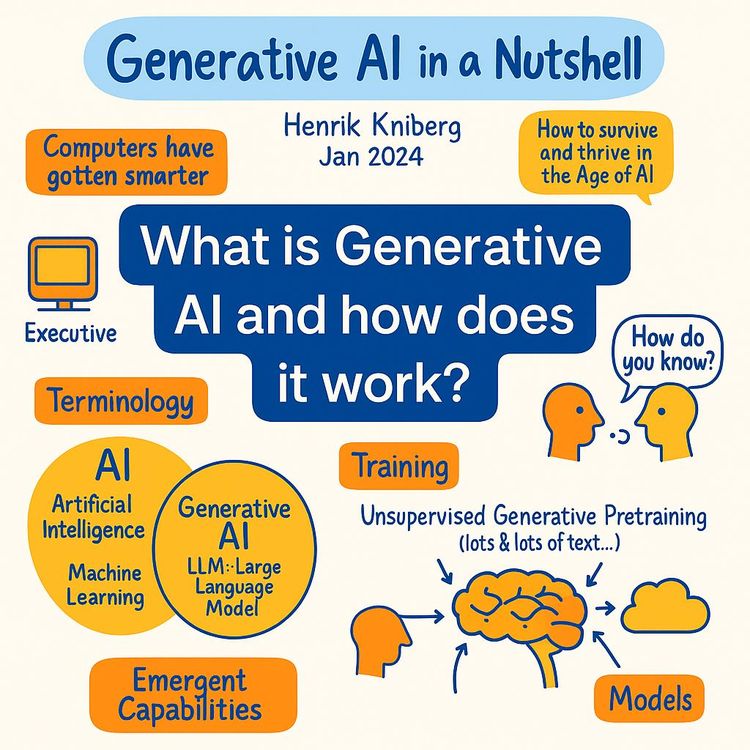
Video Course: What is Generative AI and how does it work?

Video Course: How to Use ChatGPT from Beginner to Professional
Video Course: How to Use Google Gemini for Google Workspace to Boost Productivity

Video Course: How to Use Claude 3.7 AI - Tips for Beginners!

Video Course: ChatGPT for Data Analytics: Full Course - from Beginners to Professional

Video Course: Generating Images and photos With ChatGPT?

Video Course: Generating Images & Photo's with MidJourney

Video Course: Generating Design's with Microsoft Designer and AI

Video Course: Generating Design's with Canva.com and AI
Join 20,000+ Professionals, Using AI to transform their Careers
Join professionals who didn’t just adapt, they thrived. You can too, with AI training designed for your job.