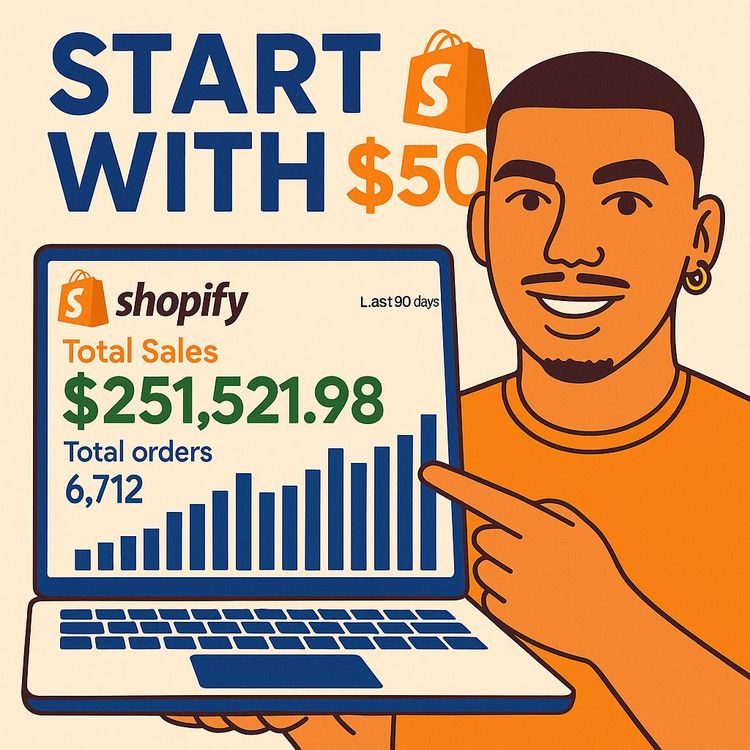
Dropshipping for Beginners: Shopify, Product Research & Meta Ads (Video Course)
Build a real dropshipping business for 2026,fast, with AI. No guesswork. Pick products with proof, lock in a reliable supply chain, craft high-converting pages, and run ads by the numbers so first sales stick and profit grows.
Related Certification: Certification in Shopify Dropshipping: Build Stores, Find Winners & Run Meta Ads
Also includes Access to All:
What You Will Learn
- Build a functional AI-powered Shopify store in under an hour
- Find and validate winning products with TikTok data and the PES test
- Set up a reliable fulfillment pipeline and sourcing workflow
- Create daily organic content and high-converting short-form video ads
- Run CBO Meta campaigns to test creatives and scale winners
- Read KPIs, optimize CRO, and reinvest for profitable growth
Study Guide
Introduction: The Real-World Path To A Profitable Dropshipping Business
Most people overcomplicate dropshipping. They binge videos, copy random stores, and end up guessing their way into burnout. The modern game is different. It's about speed, data, and discipline. Launch fast with AI. Choose products based on real market proof. Build a reliable supply chain before you scale. Then run ads with a simple, repeatable system based on numbers, not opinions.
This course walks you through that system from zero to your first sales, then into consistent profitability. You'll build a functional store in minutes, validate products using real-time social analytics (especially TikTok), set up a fulfillment pipeline that protects your reputation, and execute a practical marketing plan: organic content to gather intel and a structured Meta ads framework to test, analyze, and scale. You'll learn to read the numbers that matter, fix what's broken, and turn a single winning creative into a revenue engine. If you apply what you learn here, you won't just "start a store." You'll build a business.
What You'll Be Able To Do By The End
- Build a professional Shopify store using AI-powered tools in under an hour.
- Find and validate "winning products" with real-time data,not guesswork.
- Use the PES test (Profit, Engagement, Solves a problem) to de-risk every product.
- Create a cohesive brand name, logo, colors, and messaging fast.
- Set up a reliable supply chain and a fulfillment partner that scales with you.
- Generate organic traffic with a focused, simple content routine.
- Create high-performing video ads using proven structures and hooks.
- Launch and manage Meta (Facebook/Instagram) ads using a clean framework.
- Track KPIs and make profitable decisions with confidence.
- Scale a winning creative without blowing up your margins.
Key Concepts & Terminology (Quick Primer)
Dropshipping: Sell products without holding inventory. When a customer buys, your supplier fulfills directly to them.
Shopify: A platform to build and run your online store.
Niche: A focused segment of buyers with specific interests or problems.
Winning Product: A product with real demand, clear profit potential, and strong ad leverage (it sells well in short-form media).
Supply Chain: The path from sourcing to delivery. If this breaks, your business breaks.
Fulfillment: Processing, packing, and shipping the order to customers.
PES Test: Profit, Engagement, Solves a problem. Your simple validation framework.
Meta Pixel: Code that tracks visitor actions so Meta can optimize your ads.
CBO (Campaign Budget Optimization): Meta's feature that allocates budget to best-performing ad sets/ads.
KPIs: Key metrics like CPM, CTR, CPC, ROAS, and CPP that guide decisions.
Part 1 , Foundation: Rapid Store and Brand Development
Perfection at this stage is a trap. Get a minimum viable store live fast so you can spend your energy on product validation and traffic.
1.1 AI-Powered Store Creation
The Process:
- Choose an AI store builder that integrates with Shopify.
- Give it a broad niche prompt (e.g., "outdoor comfort" or "home gadgets"). You're not married to it.
- Pick placeholder banners. You'll replace them after you pick a product.
- Connect the tool to Shopify. Let it generate a complete, structured storefront: homepage, sections, header, footer, menu, product layout.
- Review and keep it simple. You want clean navigation, obvious CTAs, and mobile-friendly blocks.
Objective:
Speed. You're building a "minimum viable store" that's fully functional, then customizing once your product is chosen. That momentum matters more than pixel-perfect design.
Examples:
- Example 1: A general "Home Comfort" template with hero banner, "Featured Product," "Why Choose Us," and reviews section. Clean, simple, fast.
- Example 2: A "Pet Essentials" theme with a big headline, product highlights, and trust badges. Replace the pet product later with your validated winner.
Tips:
- Keep 1-2 fonts and a minimalist layout. Fancy design does not sell more; clarity does.
- Test the mobile version. Most traffic will be on a phone.
1.2 Branding and Customization (Post-Validation)
Visuals:
Use high-quality, royalty-free images for banners (e.g., Pexels). Choose images that mirror your product's context (winter scenes for heated apparel, clean kitchens for cooking tools).
Brand Identity:
Use an AI assistant to brainstorm names, taglines, and a short mission statement based on your product's benefits and vibe.
Logo & Colors:
Create a simple logo in Canva. Extract hex codes from it for a cohesive color scheme. Use one or two brand colors plus black and white. Keep it clean.
Homepage Focus:
- Feature your main product front-and-center with a strong tagline and benefit-driven subheading.
- Add a compact mission statement that communicates why your brand exists and what customers can expect.
Examples:
- Example 1 (Heated Hoodie): Brand name "Summit Nova." Tagline: "Warmth on demand." Mission: "Keep your body at a comfortable temperature anywhere, without bulky layers." Banner: snow trail with a warm-toned overlay.
- Example 2 (Ergonomic Kitchen Tool): Brand name "PrepPilot." Tagline: "Make prep effortless." Mission: "Turn daily cooking into a quick, clean routine." Banner: bright kitchen, hands using the tool.
Best Practices:
- Put your main offer and benefits above the fold.
- Use social proof (reviews, UGC photos) near the add-to-cart area.
- Make shipping times and returns policy easy to find.
Part 2 , Product Strategy: Research and Validation with Data
You don't need a hundred products. You need one that the market is already buying, with room for your ad angle to win.
2.1 Data-Driven Product Research (TikTok-Centric)
How to use analytics tools:
- Filter by category and recent timeframes to spot current demand.
- Evaluate 7-day sales, revenue, and trend lines. You want steady growth, not one spike.
- Check creator/affiliate counts. More creators consistently pushing a product means it's converting and there's an ecosystem around it.
Creative insights:
Study top-performing videos: hooks, tones, and formats (POV, demo, before/after, reactions, testimonials). Collect angles and scripts you can adapt for your ads.
Examples:
- Example 1: A portable back massager shows rising sales over a week, with many creators demonstrating "office relief in 60 seconds." Winning angles: problem/solution, desk-worker relief, quick demo.
- Example 2: A collapsible water bottle trending with commuters and hikers. Angles: "Save space," "Leak-proof test," "Pack smarter for travel."
Tips:
- If there's zero engagement, it's risky. If it's everywhere with massive saturation, you may be late,unless your angle is clearly better.
- Look for products with clear demonstrations and obvious benefits you can show in 5 seconds.
2.2 The PES Validation Framework
Profit:
Aim for a minimum 2.5x markup on sourcing cost. If you sell for $119, your sourcing should be near $47 or less. That margin pays for ads, fees, and leaves profit. If you can't hit it, move on.
Engagement:
Find the "sweet spot." There should be visible sales and buzz, but not complete saturation. Enough proof to trust demand, not so much that your ad costs skyrocket.
Solves a Problem:
Your product must relieve a pain or deliver a meaningful outcome quickly. The best dropshipping products are impulse buys because they promise immediate relief or obvious utility.
Examples:
- Example 1 (Solves a Problem): Heated hoodie solves being cold outdoors. Emotion: comfort on demand. Utility: rechargeable, adjustable heat zones.
- Example 2 (Solves a Problem): Pet hair remover for couches. Emotion: clean home without constant lint-rolling. Utility: reusable, quick demo-able.
Best Practices:
- Calculate your break-even ROAS before you start ads. If your margin can't support realistic ad costs, don't touch it.
- Scan comments on social posts. Real questions and jokes reveal objections and angles for your copy.
2.3 AI-Generated Product Pages
Process:
- Use AI features from your research/sourcing tool to create a title, bullets, benefits, and a long-form description.
- Import directly into Shopify; then tweak with your voice and brand tone.
- Add trust elements: shipping info, returns, warranty, and FAQs to defuse objections.
Examples:
- Example 1: For a compact air purifier, AI drafts "Breathe easy anywhere" headlines, with bullets like "Removes 99% of airborne particles" and "USB-C powered." Add a comparison chart vs. common alternatives.
- Example 2: For a posture corrector, AI writes "Stand taller in minutes a day," then you enhance with quick-start instructions and user tips.
Tips:
- Feature-benefit pairing beats raw specs. Spell out what a feature does for the customer.
- Place a short demo GIF or video near the add-to-cart to increase engagement.
Part 3 , Operations: Supply Chain and Fulfillment That Won't Fail You
Sales are exciting. Complaints, chargebacks, and frozen funds are not. A reliable supply chain keeps your business alive when you start scaling.
3.1 Why the Supply Chain Is Everything
The risk:
Slow shipping or inconsistent quality triggers refund storms. Payment processors flag your account. Your ad spend is wasted, and reputation tanks.
The solution:
Partner with a modern fulfillment service that offers transparent communication, faster processing, and quality checks.
Examples:
- Example 1: During a viral spike, your partner bulk-preps inventory to hold at their warehouse, cutting handling time by days.
- Example 2: Before shipping a fragile product, they send verification photos and packaging upgrades to prevent damage-related refunds.
3.2 A Modern Fulfillment Model (What to Look For)
Dedicated agent: One person you can message for sourcing and fulfillment updates.
Sourcing verification: They pull options from marketplaces like 1688 or Taobao and confirm price and shipping times before you commit.
Quality control: Verification photos or videos before items go out.
Integrated dashboard: Centralized tracking for orders, sourcing, and inventory.
Inventory options: Pay per order at first; pre-buy stock later for lower costs and faster processing.
Examples:
- Example 1: You submit a request for a "ceramic hair curler." Your agent returns three suppliers with pricing, shipping timelines, and MOQ discounts in under an hour.
- Example 2: You approve a packaging upgrade (branded insert + bubble wrap) after seeing early damage reports drop to near zero.
Best Practices:
- Start pay-as-you-go until you confirm consistent sales and product quality.
- When scaling, pre-buy small batches to speed delivery and secure margins.
3.3 Sourcing Workflow in Practice
Step-by-step:
- Check your fulfillment partner's catalog first. If your item exists, you get instant pricing and 1-click listing.
- If not, find it on 1688/Taobao, share links with your agent, and request verified sourcing.
- Approve a supplier based on price, reliability, and shipping speed. Ask for sample photos or videos if needed.
- Set up order syncing with Shopify so fulfillment triggers automatically.
Examples:
- Example 1: A kitchen mandoline isn't in the catalog. You send 1688 links; the agent secures a better price with faster tracked shipping than the listing.
- Example 2: You test two suppliers for a yoga mat. After 10 sample orders, one shows lower defect rates and better packaging. You switch all orders there.
Part 4 , Marketing: Organic Content That Builds Proof and Data
Before you pay for traffic, let the market talk to you for free. Organic content is your testing ground and feedback loop.
4.1 The 30-on-1 Method (Simple and Effective)
Principle:
Choose one platform (TikTok or Instagram Reels) and post one piece of content daily for 30 days focused on your product.
Benefits:
- Clarity: Comments tell you what people care about and what confuses them.
- Free data: Jokes and questions become copy angles for ads and FAQs.
- Base audience: Even low view counts put your brand in front of buyers at zero cost.
Examples:
- Example 1: For a heated hoodie, post demos in cold settings, reaction clips, and "how it works" breakdowns. Pin a comment with your main offer.
- Example 2: For a pet hair remover, film quick tests on different fabrics, user reactions, and cleaning tips.
Tips:
- Reply to comments with short video responses. It boosts reach and generates content ideas.
- Keep it raw. UGC style converts. Overproduced content can feel like an ad too early.
4.2 High-Performing Video Ad Fundamentals
Structure that works:
1) 3-second hook to stop the scroll. 2) Clear value demonstration. 3) Emotional connection. 4) Obvious CTA.
Key components:
- The 3-Second Hook: Open with a bold line, visual test, or result. "I stopped freezing on morning walks with this."
- High-Quality Visuals: Clear lighting, clean sound, focused framing.
- Persona Targeting: Speak to one person (e.g., "For desk workers with back pain…").
- Trend Awareness: Use formats that the platform is boosting (POV, reaction stitches, split-screen demos).
- Emotional Connection: Humor, relief, pride,whatever matches the product.
- Strong CTA: "Shop now, limited-time deal," "Tap to get yours."
Examples:
- Example 1 (POV Demo): "POV: You refuse to be cold this winter." Cut to hoodie heating up, breath visible in cold air, smile, CTA overlay.
- Example 2 (Reaction): "I thought this was a gimmick…" Shows pet hair remover pulling a clump off the couch. Close-up, gasp, CTA.
Best Practices:
- Test multiple hooks for the same video. The hook often makes or breaks performance.
- Rotate thumbnails and first frames to avoid ad fatigue.
Part 5 , Paid Traffic: The Meta Ads Framework
Ads shouldn't feel like gambling. Set up the backend right, warm up the account, test creatives systematically, and scale what wins.
5.1 Backend Setup and Account Warm-Up
Setup checklist:
- Create a Facebook Page with your brand name and a simple bio.
- Buy and connect a custom domain to your Shopify store.
- Create a Business Portfolio (Business Manager), then a new ad account with correct time zone and currency.
- Add a payment method.
- Create a Meta Pixel in Data Sources.
- In Shopify, install the Facebook & Instagram app, connect your account, choose your Business Portfolio, and set data sharing to maximum.
- Match the Pixel ID to ensure the right connection.
Activate the Pixel:
- Remove your storefront password temporarily.
- Use Meta's Test Events tool. Visit your site, view a product, add to cart, initiate checkout, and simulate a flow so events fire.
- Confirm pixel turns active (status indicator goes green).
Account Warm-Up:
Run a low-budget ($10/day) Engagement campaign for a few days with a simple positive creative. This builds trust and improves delivery once you launch sales campaigns.
Examples:
- Example 1: Post an organic demo video from your page and promote it for engagement to warm the account.
- Example 2: Use a product lifestyle image with "What would you change about your winter setup?" to encourage comments and reactions.
Tips:
- Use your real identity in Business settings. Verification requests happen; be ready.
- Keep your Page consistent with your site (logo, colors, tone).
5.2 The Creative Testing Campaign (CBO)
Objective:
Find the best creative. Not the best audience, not the best bid. The creative carries your store.
Structure:
- Create a Sales campaign with CBO on. Start at roughly $50/day.
- One ad set with broad targeting (Tier 1 countries, age 21+, no interests).
- Optimize for Purchase. Start the campaign at midnight for clean 24-hour data windows.
- Put 5-7 creatives (videos/images) inside the single ad set.
Examples:
- Example 1: Heated hoodie creatives include: raw outdoor demo, indoor charging/how-it-works, "gift for cold friends" angle, and testimonial montage.
- Example 2: Kitchen tool creatives include: speed test, safety angle, "ditch 5 tools" comparison, and clean-up demo.
Tips:
- Use clear headlines: "Today Only: 40% Off + Free Shipping."
- Keep primary text scannable. First line matters most.
5.3 Reading the Data: KPIs That Matter
Front-end metrics:
- CTR (Click-Through Rate): Aim for 2.5% or higher. Low CTR means the hook or creative misses.
- Cost Per Unique Link Click: Real cost to get a site visitor. If this is bloated, the creative isn't compelling enough.
Back-end metrics:
- Add to Carts (ATC): Signals desire. If CTR is strong but ATCs are low, your product page or offer likely needs work.
- Cost Per Purchase (CPP): Compare to your target CPP based on margin.
- ROAS: If above break-even, you're printing profit. If below, diagnose and fix.
Two diagnostic examples:
- Example 1: CTR 3.8%, ATC 0.3%, Purchases 0. The ad is fine; the product page lacks clarity, price anchoring, or social proof. Improve offer and page flow.
- Example 2: CTR 0.8%, low clicks, no purchases. The creative is the issue. Try a new hook, tighter demo, or a different angle entirely.
Best Practices:
- Wait for sufficient spend before making hard decisions. But don't let obvious losers drain the budget.
- Track break-even ROAS and target CPP on a sheet and keep it visible.
5.4 Scaling Winning Creatives
Process:
- Identify your best creative (profitable ROAS, solid CPP, strong CTR).
- Duplicate it into a new campaign with a higher budget (e.g., $100+/day).
- Test variations: new thumbnails, different hooks, alternative first three seconds while keeping the core video intact.
- Break out countries as separate ad sets if needed for more control.
Examples:
- Example 1: Your best ad is a visual demo. Duplicate it, then create three variations with different opening frames: "steam in cold air," "battery indicator lighting up," and "side-by-side with a regular hoodie."
- Example 2: Split the US, Canada, and UK into their own ad sets. The US gets most budget; CA and UK get modest daily caps.
Tips:
- Watch frequency. If it climbs quickly, rotate creatives or refresh hooks to avoid fatigue.
- Test price bundles and volume discounts to raise AOV as you scale.
Part 6 , Conversion Rate Optimization (CRO) and Offers
Brute-force ad spend is expensive. Optimize the site and offer so more of your traffic buys.
Product Page Essentials:
- Benefits before features. What changes for the customer?
- Clear images and a short demo video near the add-to-cart.
- Social proof (reviews, UGC). Place a few high-impact testimonials above the fold.
- FAQs that remove friction: shipping times, returns, warranty, "Will it fit?"
Offer Enhancers:
- Limited-time discount or bundle deals (e.g., "Buy 2, save extra").
- Free shipping threshold slightly above your AOV to encourage upsells.
- Small gifts with purchase (e.g., accessory pack) for higher ticket items.
Checkout Optimizations:
- Fewer fields. Autofill enabled. Multiple payment options.
- Post-purchase upsell for a related accessory.
- Clear trust signals: secure checkout badges and visible returns policy.
Examples:
- Example 1: Pet hair tool page includes a 30-second demo video, "Works on couches, car seats, and rugs," and "30-day money-back guarantee." Result: higher ATC rate.
- Example 2: Heated hoodie page offers "Extra Battery Pack 25% Off" as a post-purchase upsell. AOV climbs by a few dollars without affecting conversion.
Part 7 , Financials, Tracking, and Reinvestment
Sales screenshots don't pay the bills. Profit does. Know your numbers in real time.
Know your break-even:
- Cost of Goods (COGS) + Shipping + Processing Fees + Average Ad Cost per Purchase = Break-even point.
- From there, derive your break-even ROAS and target CPP.
Tracking tools:
- Use a profit tracking app to monitor net profit after COGS, ad spend, and fees.
- Maintain a simple KPI sheet: CTR, CPC, ATC rate, CPP, ROAS, AOV, net margin.
Reinvestment strategy:
- Early stages: Reinvest aggressively into ads and creative testing once you confirm profitability.
- Maturing stages: Pull back to a set reinvestment percentage while allocating budget to new creatives and new product tests.
Examples:
- Example 1: You discover your true CPP target is $22, but your test campaign averages $28. You either need better creatives or higher AOV. You introduce a bundle and reduce CPP to $21 by improving the hook.
- Example 2: You set a rule: 40% of weekly profits go back into ads; 10% into new creative production; the rest is operating buffer and pay.
Part 8 , Customer Experience, Policies, and Risk Control
Good CX protects your payment accounts and keeps refunds low. Think long-term brand even as you move fast.
Policies:
- Clear shipping times and tracking info on the site and in confirmation emails.
- Reasonable returns window and simple instructions.
- Warranty statements if applicable.
Support systems:
- Use a shared inbox or helpdesk app to centralize communication.
- Canned responses for common questions (shipping ETA, how to use, sizing).
- Proactive updates for delays. Being early and honest avoids disputes.
Risk mitigation:
- Monitor defect rates. If issues arise, switch suppliers fast.
- Keep chargebacks under control with tracking numbers and clear delivery confirmations.
- Don't overpromise on delivery or product capabilities.
Examples:
- Example 1: A surge of orders triggers delays. You send a proactive email offering a small gift or partial refund if the customer wants to wait. Refunds drop and goodwill rises.
- Example 2: You add a "How to Use" tutorial email post-purchase. Support tickets for setup drop by half.
Part 9 , Your Daily, Weekly, and Monthly Game Plan
Daily:
- Check ad KPIs, pause obvious losers, note winners.
- Respond to comments and DMs to gather copy ideas.
- Post your one organic video.
Weekly:
- Review ROAS, CPP, and profit. Decide where to scale or cut.
- Film or source 3-5 new hooks or variations for your winning creative.
- Check in with your fulfillment agent about delivery times and any issues.
Monthly:
- Test one new product using the same PES framework.
- Refresh your homepage and top section of your product page with best-performing messaging.
- Evaluate bundling, price tests, and upsells to push AOV higher.
Part 10 , Case Study: From $100 to a Scaled Store
Setup:
- Started with a small test budget and a clean Shopify store built with an AI template.
- Product chosen via TikTok analytics, passing the PES test with healthy margins.
Warm-up:
- Ran a $10/day engagement campaign to warm the ad account. Built initial activity without chasing sales.
Testing:
- Launched a CBO sales campaign at $50/day with 6 creatives: UGC demos, visual tests, and testimonials.
- First day showed a purchase under $10 spend,clear product-market fit indicators.
Scaling:
- Duplicated the top creative into a new higher-budget CBO and tested three hooks.
- Increased daily budget carefully while monitoring CPP and ROAS.
- Consolidated into a "champion" CBO after consistent performance. Revenue ramped quickly with stable margins.
Tracking:
- Used a profit app to see net profit in real time, preventing blind scaling.
- Reinvested profits into ad spend, new creatives, and a small pre-bought inventory for faster fulfillment.
Result:
- The disciplined testing and scaling loop turned a small initial budget into a strong revenue month with healthy profit. The key wasn't luck,it was the repeatable system.
Noteworthy Statements (Read These Twice)
On account trust:
"A brand new ad account with no activity, no engagement, and no pixel data, Meta sees that as a risk. And when Meta thinks that you're a risk, your ads will not deliver the way that they should."
On decision-making:
"Letting the numbers tell you which angle is strong, which one is weak, and which one actually has the potential to carry your entire store. If you don't know how to read that data, everything that you just did becomes guesswork."
Implications & Who This Helps
Aspiring entrepreneurs: A low-risk roadmap to get started the right way.
E-commerce educators: A modern curriculum built on data and systems, not hacks.
Marketing pros: Current best practices for social commerce creatives and Meta optimization.
Small business owners: Leverage AI and analytics to compete without huge teams.
Action Plan: Your First 8 Steps
1) Establish your foundation:
Spin up a Shopify storefront with an AI builder. Keep it minimal and clean.
2) Data-driven research:
Use a TikTok analytics tool to shortlist three products with proven velocity and creator support.
3) Validate with PES:
Confirm your margin (2.5x target), engagement sweet spot, and clear problem-solution fit.
4) Lock in fulfillment:
Onboard with a fulfillment partner offering a dedicated agent and sourcing verification.
5) Build initial momentum:
Run the 30-on-1 organic method for a month to mine angles and questions from real people.
6) Prepare for paid:
Set up your Meta backend, connect the Pixel, and run a $10/day engagement warm-up campaign.
7) Launch creative testing:
Run a CBO sales campaign at $50/day with 5-7 creatives focused on Purchase conversions.
8) Analyze and scale:
Track KPIs after 24-48 hours. Move the winning creative into a new scaling campaign with a higher budget, test variations, and watch your numbers.
Deep Dive Examples: Applying the Framework
Example A: Heated Apparel
- Research: Rising TikTok creator count, consistent 7-day sales. Hooks: "Walks are enjoyable again," "No more bulky layers."
- PES: Sourced at $44, sold at $119; strong engagement; solves cold discomfort.
- Page: Demo video above fold, size guide, "What's in the box," and battery care tips.
- Ads: Visual steam demo, side-by-side with regular hoodie, testimonial montage. Best CTR came from the "breath in cold air" first frame.
- Scale: Split US/CA/UK ad sets; added extra battery upsell to boost AOV.
Example B: Kitchen Efficiency Tool
- Research: Upward trend with cooking creators showing quick prep. Hooks: "Save 10 minutes every meal," "One tool replaces five."
- PES: Sourcing at $8, selling at $24.95, cost structure allows profitable CPP.
- Page: Clean visuals, 30-second demo, dishwasher-safe reassurance, simple "how to."
- Ads: Speed test vs. knife, safety angle with protective design, cleanup in seconds. "Time saved" angle won.
- Scale: Introduced 2-pack bundle, post-purchase upsell for a matching peeler. ROAS stabilized with higher AOV.
Troubleshooting: If This, Then That
High CTR, low ATC: Improve product page,clarify benefits, add demo video, price anchor, reinforce guarantee.
Low CTR: Scrap the hook. Lead with a bigger visual pattern interrupt or stronger pain point.
ATC but low purchases: Fix checkout friction. Offer alternative payment methods, simplify fields, add trust badges, and show shipping/return summaries.
Good ROAS but ad fatigue: Rotate thumbnails and first 3 seconds. Keep the winning core but refresh entry points.
Rising refunds: Audit quality and shipping times. Switch supplier, improve packaging, and set better expectations on the page.
Ethical Advertising and Compliance
- Avoid false claims, miracle results, and deceptive comparisons.
- Use your own demo footage or licensed UGC. Don't steal content.
- Be transparent with shipping times and guarantees.
- Honor refunds and communicate delays proactively.
Practice Questions: Test Your Understanding
Multiple-Choice
1) What is the primary goal of an account "warm-up" campaign?
a) To get immediate sales.
b) To build trust with Meta's algorithm and appear legitimate.
c) To test different product prices.
d) To drive traffic to your homepage.
2) According to the PES Test, what does "P" stand for?
a) Popularity
b) Persona
c) Profit
d) Product
3) When setting up a creative testing campaign, what targeting strategy is recommended?
a) Highly specific interest targeting.
b) Targeting only past website visitors.
c) Broad targeting (e.g., location and age only).
d) Targeting followers of competitor pages.
Short Answer
1) Explain the "30-on-One" method and list two of its benefits.
2) What is the purpose of using Campaign Budget Optimization (CBO) in a creative testing campaign?
3) Describe the three main options for sourcing a product through a fulfillment partner.
Discussion
1) A product has generated over 1 million views on TikTok but has a sourcing cost that only allows for a 1.5x markup. Based on the PES Test, would you proceed? Why?
2) Your creative testing campaign has been running for 24 hours. One ad has a high CTR (4%) but zero Add to Carts. Another ad has a lower CTR (1.5%) but has two Add to Carts. What does this suggest, and what would you do next?
3) What are the risks of scaling a winning ad too quickly without tracking net profitability, and how can tools and strategies reduce those risks?
Additional Resources & Further Study
Advanced ad creative: Study AIDA and PAS copy frameworks. Learn fast-cut editing, pattern interrupts, and hook variations.
Branding and storytelling: Build simple brand narratives customers want to follow beyond a single purchase.
CRO fundamentals: Heatmaps, scroll maps, and split tests for hero copy, price displays, and CTA placement.
CRM: Email and SMS for post-purchase education, cross-sells, and repeat buyers.
Financial management: Cash flow tracking, break-even analysis, margin stacking, and cost control.
Key Insights You Should Keep On Your Wall
- Speed defeats perfection. Build fast with AI so you can test products and ads sooner.
- Data over intuition. Choose products from real-time social commerce signals.
- Validate before you invest. The PES test saves you from expensive mistakes.
- The supply chain is your business. Choose reliable partners and keep communication tight.
- Warm up your engine. A cold ad account won't deliver well.
- Test systematically. Your creative testing campaign finds the store's engine.
- Reinvest with discipline. Profits fund growth when you push them back into winners.
Final Notes on Mindset and Execution
- Don't chase trends blindly. Sell solutions, not fads.
- One platform, one product, one system,before you multiply efforts.
- Let feedback guide you. Comments, KPIs, and support tickets are a roadmap.
- The first version won't be perfect. Ship anyway, then iterate.
Conclusion: Your Blueprint to Real Results
You don't need luck. You need a system. Build your store fast with AI. Research products where customers are already buying, not where you hope they might. Validate with the PES test so your margin and demand are real. Set up a fulfillment partner you trust, because operations make or break scale. Then market with intention: organic content for free insight, a structured Meta framework to test creatives, clear KPIs to guide your decisions, and a simple scaling process for your winners. Keep improving your offer, pages, and customer experience. Track profit obsessively, not just revenue. Reinvest with discipline.
Apply the steps in this course, and your store won't just look like a business,it will operate like one. That's the difference between dabbling and winning.
Frequently Asked Questions
This FAQ exists to answer real questions you'll ask while building and scaling a dropshipping business,from first store build to profitable ads and operations. It's structured from basics to advanced so you can move step-by-step, avoid time-wasting detours, and make decisions based on data instead of opinions.
Getting Started: The Foundation
What is the first step a beginner should take when starting a dropshipping business?
Build the store first, then hunt the product.
Set up a complete, functional Shopify storefront before you overthink niches or products. This removes friction when you finally spot a winner,you can list it in minutes and go live. Use a clean theme, connect your domain, add legal pages, and prepare essential apps (reviews, upsells, profit tracking). Why this matters:
- You turn research into action because you have somewhere to send traffic.
- You learn the basics (payments, shipping profiles, taxes) without the pressure of an immediate launch.
- You can validate offers quickly with organic posts or small ad tests.
Example: A student spent weeks "finding a niche." After building the store first, they listed a trending car organizer the same day they found it and got first sales from a single short-form video.
How can I build a professional-looking store quickly without design skills?
Use AI store builders integrated with Shopify.
These tools generate a structured storefront in minutes: hero banner, sections, color palette, and placeholder copy. Start with a general layout, then refine once you choose a product. Speed > Perfection
- Swap in a clear headline, benefit-driven subhead, and a strong "Shop Now" button.
- Replace stock banners with relevant, high-quality images (Pexels or your own product shots).
- Keep colors minimal (one primary, one accent) with black/white for contrast.
This approach creates a solid baseline you can optimize later with brand assets, reviews, and CRO tweaks, saving days of design guesswork.
Do I need to choose a permanent niche before building my store?
No,start broad and specialize later.
Choose a general store layout if you're undecided. The goal is to publish a functional site that can flex to any product you validate. Once a winner emerges, theme your homepage, menus, and copy around that category. Why this works:
- You avoid "niche paralysis" and keep momentum.
- You can test multiple categories without new builds.
- You transition to a niche brand only once data confirms demand.
Example: Launch a general store, test a posture corrector, then pivot the brand identity toward ergonomic wellness if it sticks.
Finding and Validating Your Product
What is a "winning product" and how do I find one using data?
A winning product shows current demand, profit potential, and repeatable sales signals.
Use product research tools with TikTok Shop analytics or social trend data. Filter by recent performance (last few days) and study sales velocity, revenue, creator count, and trendlines. Look for:
- Consistent sales growth, not one viral spike.
- Clear problem-solution value (saves time, reduces pain, improves results).
- Content angles already working (UGC demos, before/after, reaction hooks).
Example: A magnetic car phone mount with steady 7-day growth and multiple creators posting daily signals reliable demand and ad scalability.
What key metrics should I look for when analyzing a potential product?
Prioritize recent sales velocity, creator activity, and sustained trendlines.
- 7-day sales/revenue: Confirms current demand.
- All-time sales: Shows staying power beyond a short trend.
- Category and country rank: Validates competitiveness.
- Creator/affiliate count: If many promote it profitably, conversion is likely good.
- Trend charts: Favor smooth, upward curves over volatile spikes.
Red flags:
- Heavy saturation with declining week-over-week momentum.
- High refund chatter in comments or reviews.
- Thin margins after shipping and fees.
If the numbers look strong and content angles are replicable, shortlist it for PES validation.
What is the "PES Test" and how does it help validate a product?
PES = Profit, Engagement, Solves a problem.
- Profit: Aim for about a 2.5x markup from sourcing to selling price to cover ads, fees, and still profit.
- Engagement: Enough buzz to prove demand, but not so saturated that you're drowned out.
- Solves a problem: Pain relief or clear gain (comfort, time saved, convenience).
If a product fails any one of these, skip it. Example:
A heated hoodie priced at $119 must be sourced for ~$48 or less to leave room for ad spend and fees. If engagement is active but not overcrowded and it clearly solves "being cold," it passes.
How do I calculate my target sourcing cost for a product?
Use: Selling Price ÷ Target Margin = Max Sourcing Cost.
If you sell at $119 and target a 2.5x margin, your max sourcing cost is ~$47.60. This leaves room for ads, transaction fees, shipping, and profit. Layer in reality:
- Include estimated shipping into COGS when you compare.
- Check typical CPA in your niche (benchmarks from previous campaigns or peers).
- Validate break-even ROAS (explained below) to ensure ad viability.
A quick spreadsheet with all costs prevents "phantom profits" that vanish once fees hit.
Building Your Brand and Storefront
How can AI help create effective product pages?
AI can draft sales-ready titles, benefits, FAQs, and page structure in minutes.
Feed AI your product features, audience, and tone. It will produce conversion-focused copy, bullets, and sections you can refine. Pair with AI-generated image suggestions and benefit-driven headlines. Best practice:
- Keep copy scannable with short lines and bold benefits.
- Insert social proof (reviews, UGC snippets).
- Add a clear guarantee and shipping expectations.
This saves hours and gives you a CRO-friendly baseline you can A/B test.
What are the key elements for branding a new dropshipping store?
Keep it simple, consistent, and credible.
- Name and logo: Short, memorable, legible at small sizes.
- Color system: One primary, one accent; use black/white for clarity.
- Hero banner: Relevant image + clean headline + direct CTA.
- Tagline and short mission: One sentence each; benefit-focused.
- Feature your main product: Above the fold and on the homepage.
Example: "Summit Nova" with a cool-toned palette, a winter banner, and "Heat without the bulk" headline. Consistency across site, ads, and socials builds trust and increases conversions.
Supply Chain and Fulfillment
Why is having a reliable supplier so critical for dropshipping?
Fulfillment breaks can kill a winning product faster than bad ads.
Late shipments, fake tracking, or poor quality create refunds, chargebacks, and payment processor holds. A dependable partner protects your brand and cash flow. What to check:
- Verified pricing and shipping SLAs.
- Real tracking with carrier scans.
- Pre-shipment quality checks or package photos.
- Clear dispute/return process.
A reliable supplier turns sales into repeatable operations and keeps support tickets low.
What are the three main methods for sourcing a product with a fulfillment partner?
Catalog, marketplace sourcing, or private agent.
- Partner catalog: Fastest,instant pricing and one-click listing if available.
- Marketplaces (1688/Taobao): Request sourcing; your partner verifies pricing and shipping before you list.
- Private agent: Send images/specs via chat; they handle supplier comms and update quotes inside your account.
Use the catalog for speed, marketplaces for breadth, and agents for convenience or scale.
Advertising and Generating Traffic
What is an effective strategy for generating initial traffic without a large budget?
The 30-on-One Method: post daily short-form content on one platform for 30 days.
This forces product-message clarity, gives you free market feedback, and builds an early audience. Repurpose strong posts later as paid ads. What to post:
- Demos, before/after, POV, reactions, unboxing, skits.
- Respond to comments with new videos (content loop).
- Pin best video; link directly to product page.
Even with modest views, consistent posting compounds reach and insights you can monetize.
What are the essential components of a successful video ad?
Hook fast, show the payoff, ask for action.
- 0-3s hook: Pattern interrupt or bold promise.
- Clear visuals: Show the problem and solution quickly.
- Emotion: Relief, humor, or aspiration sells.
- Persona: Speak to one specific audience.
- CTA + urgency: "Shop now,free shipping today."
Example: "I stopped back pain at my desk with this $X device" + quick demo + overlayed social proof + limited-time bundle.
What is an "ad account warm-up" and why is it necessary?
It's a low-spend campaign to build trust before selling.
New accounts are riskier to platforms. Run a small Engagement campaign to create positive signals and reduce the chance of poor delivery or flags when you launch sales. Setup:
- $10/day, broad targeting.
- Simple image/video with positive engagement copy.
- Let it run a few days, then pivot to Sales campaigns.
This step stabilizes performance and decreases early friction.
How should I structure a creative testing campaign on Meta?
Test creatives, not audiences.
- Campaign: Sales with CBO.
- Budget: ~$50/day to start; 1 ad set.
- Targeting: Broad (Tier-1, 21+, no interests).
- Ads: 5-7 unique creatives (videos/images), each as separate ads.
Let Meta allocate spend to winners. Turn off clear losers based on link click cost, ATCs, and early purchase signals. Keep the winner and iterate on its angle and thumbnail.
Data Analysis and Scaling
What are the most important metrics (KPIs) to track in my ad campaigns?
Front-end = attention; back-end = money.
Front-end: CPM, CTR (aim 2.5%+), cost per unique link click. Back-end: ATCs, Cost per Purchase, and ROAS. Interpretation:
- Low CTR/high CPC: Weak hook or creative mismatch.
- Good CTR/no ATCs: Landing page misalignment or weak offer.
- ATCs/no purchases: Price friction, trust issues, checkout leaks.
Track both layers to diagnose exactly where to optimize.
How do I know when to turn an ad off versus when to scale it?
Use break-even metrics,not feelings.
Define your break-even Cost per Purchase and ROAS. Kill ads that exceed break-even after a fair test (e.g., 1-1.5x target CPA without ATCs/purchases). Keep ads that meet or beat targets. Scale if:
- Purchases are consistent below target CPA.
- ROAS is stable above break-even across multiple days.
Make changes at set review times to avoid reacting to noise.
Certification
About the Certification
Get certified in Shopify Dropshipping, Product Research & Meta Ads. Prove you can pick winning products with data, secure reliable suppliers, build high-converting pages, and run profitable, AI-assisted ad campaigns that launch and scale a store.
Official Certification
Upon successful completion of the "Certification in Shopify Dropshipping: Build Stores, Find Winners & Run Meta Ads", you will receive a verifiable digital certificate. This certificate demonstrates your expertise in the subject matter covered in this course.
Benefits of Certification
- Enhance your professional credibility and stand out in the job market.
- Validate your skills and knowledge in cutting-edge AI technologies.
- Unlock new career opportunities in the rapidly growing AI field.
- Share your achievement on your resume, LinkedIn, and other professional platforms.
How to complete your certification successfully?
To earn your certification, you’ll need to complete all video lessons, study the guide carefully, and review the FAQ. After that, you’ll be prepared to pass the certification requirements.
Other AI Video Courses
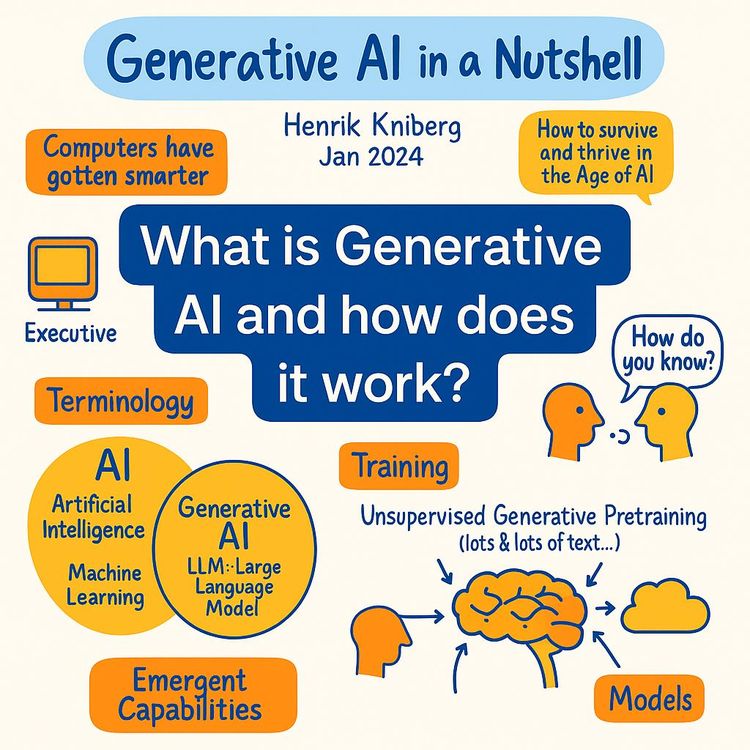
Video Course: What is Generative AI and how does it work?

Video Course: How to Use ChatGPT from Beginner to Professional
Video Course: How to Use Google Gemini for Google Workspace to Boost Productivity
Video Course: How to Use Claude 3.7 AI - Tips for Beginners!

Video Course: ChatGPT for Data Analytics: Full Course - from Beginners to Professional

Video Course: Generating Images and photos With ChatGPT?

Video Course: Generating Images & Photo's with MidJourney

Video Course: Generating Design's with Microsoft Designer and AI

Video Course: Generating Design's with Canva.com and AI
Join 20,000+ Professionals, Using AI to transform their Careers
Join professionals who didn’t just adapt, they thrived. You can too, with AI training designed for your job.