Gemini + Claude + Antigravity: AI Dev Course - Zero to SaaS (Video Course)
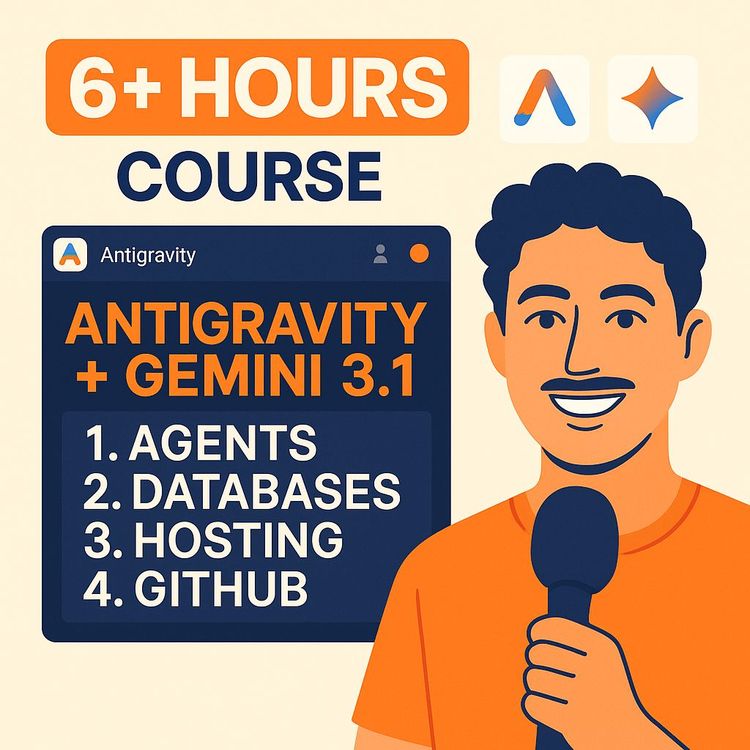
Go from zero to shipping with AI. In 6+ hours, you'll build a portfolio, a full-stack SaaS, and an AI thumbnail tool with Stripe,using Antigravity, Gemini, Claude, and Supabase. Learn safe workflows, ship faster, and actually charge for what you build.
Related Certification: Certification in Building and Shipping AI SaaS with Gemini, Claude & Antigravity
Also includes Access to All:
What You Will Learn
- Orchestrate Gemini and Claude inside Antigravity to design and implement features.
- Build and deploy full-stack apps with Next.js, Supabase (RLS), and Netlify.
- Implement auth, server-side validation, middleware, and run the five-point security audit.
- Integrate Stripe: Checkout, webhooks, idempotency, and a credits payment system.
- Operate Agent Chat, gemini.md rules, and parallel agents for rapid iteration.
- Price, distribute, and monetize products with outbound/inbound growth tactics.
Study Guide
Gemini + Antigravity Full Course: Zero to Vibe Coder (+6 Hrs)
Let's cut to the chase. You're here to learn how to build real software with AI,fast, clean, and good enough to charge money for. This course is a complete, practical guide to Vibe Coding: directing powerful AI models like Gemini and Claude inside Antigravity to create full-stack applications from scratch. You'll go from zero to shipping SaaS with authentication, databases, payments, and security audits,without drowning in boilerplate or syntax trivia.
We'll start by setting up your environment. Then you'll build a portfolio site in minutes. Next, we'll expand into a full-stack SaaS dashboard using Next.js, Supabase, and Netlify. Finally, we'll push into advanced builds: an AI thumbnail generator with Stripe payments and a multi-feature content automation app. Along the way, you'll hardwire the habits that keep AI-generated code safe, scalable, and shippable. You'll also learn the part most people avoid: distribution, pricing, and how to actually make money with the thing you build.
By the end, you won't think like a line-by-line coder. You'll think like an AI systems operator who turns ideas into deployed products,consistently.
What Vibe Coding Is (And Why It Matters)
Vibe Coding is the art of giving AI high-level direction,your taste, your constraints, your intent,and letting it do the mechanical heavy lifting. You orchestrate; it implements. The loop is simple: tell it what to build, review what it made, and correct the course until it matches your mental picture. Instead of memorizing syntax, you design systems, specify outcomes, and refine with fast feedback.
Example 1:
You upload a screenshot of a sleek navbar you saw on Dribbble. You say, "Use this layout. I want a bold hero and pill-style nav. Keep color palette monochrome with one accent." Gemini scaffolds a complete landing page and refines it on command.
Example 2:
You tell Claude, "Plan a SaaS dashboard for a content agency. Define pages, components, API endpoints, SQL schema, and Supabase RLS policies. Then hand that plan to Gemini to build the UI." Claude handles structure; Gemini handles the look and feel.
The Vibe Coding Toolkit
Here's the toolkit that turns your prompts into production software:
Antigravity: Your AI-powered IDE,the command center. Three panes: File Explorer (left), Editor (center), Agent Chat (right). You'll write zero or minimal code manually and still ship a polished app because you'll steer AI directly inside the editor.
Gemini 3.1 Pro: Integrated in Antigravity's Agent Chat. Pros: front-end, UI polish, stylistic creativity, design patterns, copywriting. It's your UI/UX workhorse.
Claude Code (Opus/Sonnet series): Installed as an extension in Antigravity. Pros: systems planning, backend logic, security reviews, long-context reasoning. It's your architect, debugger, and security analyst.
Supabase: Database + Auth + storage. Easy SQL, policies, and RLS. Think "Postgres with superpowers and a friendly UI."
Netlify: Lightning-fast hosting and CI for web apps. Drag-and-drop deploys for static sites, environment variables, and serverless functions.
Why this stack works: You're pairing a design-first AI (Gemini) with a structure-first AI (Claude), bound together by an IDE (Antigravity) that lets you run both, keep context, and iterate without friction.
Example 1:
Use Gemini to generate a landing page with parallax sections and glassmorphism components. Then hand the repo to Claude and say, "Add Supabase auth, set RLS policies, and write middleware to protect /dashboard."
Example 2:
Ask Claude to audit your dependency list for hallucinated packages or vulnerable versions. Ask Gemini to refresh the UI theme, improve spacing, and clean up typography scale for readability.
Install + Environment Setup (Step-by-Step)
Get your environment humming so you can build instead of configuring.
1) Install Antigravity:
- Download the app for your OS and install it like any native app. Open it. Create a clean project folder and open it in Antigravity.
2) Connect Gemini:
- In the Agent Chat panel, log in with your Google account. You'll now be able to select Gemini models and chat inside your project context.
3) Install Claude Code:
- Open Antigravity's Extensions and install "Claude Code." Create or log into your Anthropic account. In the Claude Code panel, type "/login" to connect. Switch modes as needed: "Ask before edit," "Edit automatically," or "Plan mode."
4) Learn the Antigravity UI:
- Left: File Explorer. Create, rename, move files. Keep a tidy structure.
- Center: Editor. Syntax highlighting. Write or edit code when useful (e.g., quick tweaks, adding environment placeholders).
- Right: Agent Chat. This is where you talk to AI, attach context, and watch it create files and commits.
5) Model Selection:
- Use Gemini for UI, animations, visual taste, component styling.
- Use Claude for architecture plans, API design, SQL, RLS, security reviews.
6) Conversation Modes:
- Planning Mode: AI outlines steps first. You approve or edit. Start here for new features or complex refactors.
- Fast Mode: AI executes immediately. Use for small, safe edits.
7) Context Management (@):
- Type "@" in Agent Chat to attach files, folders, previous chats, or screenshots. This keeps prompts short and precise while giving the AI rich context.
8) Rules & Workflows:
- Create a gemini.md in your project root. This sets the tone and rules for the build (your "constitution"). Create .agent/ rules or workflows for repeatable tasks (styling rules, security checklists, deployment steps).
Best Practices:
- Always start new features in Planning Mode.
- Keep your .env out of version control.
- Work in small, reversible steps; approve plans before edits.
Example 1:
Create a workflow called "Polish UI" that tells Gemini to run a specific checklist: improve spacing scale, ensure color contrast AA+, unify border radii, enforce button size tokens.
Example 2:
Create a rule called "Security Baseline" that Claude references before any deploy: verify RLS, check for exposed keys, validate server-side inputs, and update dependencies.
Core Concepts & Terminology (Quick Primer)
Vibe Coding: You guide, AI builds. Natural language > boilerplate typing.
IDE: Your code cockpit. Antigravity includes a file manager, editor, and AI console.
AI Agent: The assistant that reads your instructions and edits your codebase.
LLMs: Large language models: Gemini for front-end/design, Claude for planning/security/back-end.
Tech Stack: Your app's toolkit. Common: Next.js + Supabase + Netlify.
Front-end: Everything users touch: UI/UX, components, routing, layouts.
Back-end: Everything users don't see: APIs, databases, auth, validation.
API: The contract between parts of your system (or third-party services).
RLS: Row-Level Security in Postgres/Supabase to restrict who can read/write rows.
Server-Side Validation: All serious checks must run on the server,never trust the client.
Example 1:
Front-end: a React component that collects order details. Back-end: a serverless function that validates the order, writes it to Supabase, and returns a sanitized response.
Example 2:
API wrapper: your app calls an AI image service API via your server, not directly from the browser. You keep the secret and enforce credit usage server-side.
Operating Agent Chat Like a Pro
AI is only as good as the direction you give. Treat prompts like product briefs with receipts.
Master Prompt (gemini.md):
Define the AI's role, your style rules, and non-negotiables. Ask it to ask you questions before building. Include aesthetic archetypes (bento grid, split screens), interaction paradigms, your brand tone, and design constraints.
Context Attachments (@):
Attach screenshots, inspiration URLs, or component specs. The less the model has to guess, the better the output. Use short, specific commands rather than long essays.
Rules & Workflows:
- Rules: persistent directives (e.g., "Prefer semantic HTML, WCAG AA minimum, never inline critical secrets.")
- Workflows: repeatable sequences (e.g., "Run database migration -> Add RLS -> Update API -> Write tests -> Deploy to preview.")
Example 1:
"@inspiration.png @gemini.md Build a split-hero landing with a sticky top-nav, animated CTA, and a 3-card features grid. Use neutral background, 1 accent color, and large type scale. Ask me for copy."
Example 2:
"@plan.md @rules/security.md Claude: review for RLS, exposed keys, server-side validation, outdated/hallucinated packages. Report only. Don't modify files yet."
Tip: When the AI stalls or drifts, reset with a crisp, authoritative correction: "Stop. New direction: … Here are the acceptance criteria: …" Then reiterate constraints and examples.
Project 1: Build and Deploy a Portfolio Website (in Minutes)
This is your onboarding to the loop: instruct → review → refine → deploy. Keep it simple and ship fast.
Steps:
1) Create a new folder and open it in Antigravity.
2) Add gemini.md with role, style rules, structure preferences, and a Q&A section for brand inputs (name, colors, purpose).
3) In Agent Chat: "Build me a cinematic personal portfolio with a split hero, project grid, testimonials, and a clean footer. Ask questions if needed."
4) Answer questions or say "pick best fit." Upload a screenshot if you want a specific nav style or typography.
5) Gemini plans the tasks, creates HTML/CSS/JS (or Next.js) files, and provides a local preview link.
6) Review and iterate. Adjust spacing, interactions, and copy. Add smooth scroll, sticky nav, or a contact form using a service.
7) Deploy to Netlify. Either drag-and-drop the folder or connect a Git repo. Set a custom subdomain.
Example 1:
"Make the hero title bolder, decrease line-height, and increase the top padding. Replace the stock images with a monochrome gradient and add a soft glow hover effect on portfolio cards."
Example 2:
"Here's a screenshot of a nav I love. Replicate the pill-style tabs, use 12px letter-spacing for links, and animate the active state with a sliding underbar."
Tips:
- Keep assets in /public and compress them. Ask Gemini to optimize images for performance.
- Use semantic HTML and ARIA labels. Ask for a quick accessibility check.
- Write a short About section and a CTA with your calendar link to make the site useful, not just pretty.
Security Essentials: The Five Big Risks (And How to Fix Them)
AI can move fast but it won't keep you safe by default. Most vibe-coded apps break in the same five places. Fix these and you'll avoid the worst headaches.
1) Exposed Environment Variables & API Keys
- Problem: Keys in front-end code leak instantly. Anyone can read your bundle.
- Solution: Move all secrets to a .env. Reference them in server-side code only. Add .env to .gitignore. Use Netlify's environment variables for deploys.
Example 1:
Wrong: fetch("https://api.service.com?key=YOUR_SECRET") in a React component.
Right: Client calls /api/thumbnail, server reads process.env.SERVICE_KEY, and proxies the request.
Example 2:
Wrong: Including Stripe secret in client bundle.
Right: Use Stripe Checkout; the browser only receives a session ID from your server, never the secret.
2) Missing Row-Level Security (RLS)
- Problem: Without RLS, any user can potentially access everyone's data through public keys.
- Solution: Enable RLS on all tables. Add policies that scope rows by user_id. Test policies from a regular user perspective.
Example 1:
Policy: "Users can select rows in orders where orders.user_id = auth.uid()."
Example 2:
Separate policy for inserts: "Users can insert orders only if new.user_id = auth.uid()."
3) No Server-Side Validation
- Problem: Client-side validation can be bypassed. Attackers can forge requests.
- Solution: Validate all inputs server-side. Check types, lengths, and ownership. Sanitize outputs. Enforce business rules on the server.
Example 1:
When creating an order, the server confirms the user_id matches the session and the plan allows that action.
Example 2:
Server rejects a request to update another user's order, even if the client sends it.
4) Outdated or Hallucinated Packages
- Problem: AI may suggest nonexistent or risky packages. Attackers can squat those names.
- Solution: After generation, run a dependency audit. Confirm each package exists and is legit. Update to stable versions. Remove anything fishy.
Example 1:
If AI suggests "react-parallax-plus-ultra," verify on npm. If it doesn't exist, ask AI to propose a widely used alternative.
Example 2:
Use package.json overrides or a lockfile to pin safe versions. Add "npm audit fix" to your CI step.
5) Improper Authentication Middleware
- Problem: Internal pages accidentally left public. Direct URL access bypasses the login page.
- Solution: Add server-side middleware that checks session state. Redirect to login when unauthenticated. Test every route.
Example 1:
Protect /dashboard, /orders, /settings. Only / and /signup are public.
Example 2:
Role-based routes: Admin paths require admin role claims; guests get redirected.
Security Audit Prompt (Use Before Every Deploy):
"Analyze this repo for exposed keys, missing RLS, missing server-side validation, outdated/hallucinated packages, and unprotected routes. Report findings with exact files and lines. Don't change anything yet."
Tips:
- Keep secrets server-side. Never trust the browser.
- Test RLS with a non-admin account using real API calls.
- Keep dependency lists lean. Fewer packages = smaller attack surface.
Parallel Development With Multiple Agents
Antigravity's Agent Manager lets you run different agents in parallel. This is your speed boost for idea exploration.
Use Cases:
- Generate 3 landing page designs simultaneously, then choose the best and merge it.
- Assign Claude to write back-end endpoints while Gemini builds the dashboard UI.
Example 1:
Playground A (Gemini): "Design a modern dashboard with a vertical sidebar, large KPI cards, and a compact table."
Playground B (Gemini): "Design a minimal dashboard with massive type, hidden sidebar, and contextual tooltips." Pick and merge components you love from each.
Example 2:
Playground A (Claude): "Create Stripe endpoints and a secure webhook handler."
Playground B (Gemini): "Build the pricing page and subscription UI, including a success screen and 'Manage billing' button."
Tip: Keep a "merge" branch for integrating the best ideas. Let AI open PR-style diffs so you can review changes before accepting.
The Vibe Coding Design Loop (Your Default Operating System)
Use this loop for any feature or app you build. It reduces rework and keeps momentum high:
1) Inspiration design (Dribbble, Godly, screenshots).
2) Build core functionality locally with mock data.
3) Test and iterate UI/flows in the browser.
4) Add database integration (Supabase).
5) Implement authentication and protected routes.
6) Deploy and test in the live environment.
7) Add landing/marketing pages and run a full security audit.
Example 1:
Build a "New Order" flow locally with JSON data, test it, then connect to Supabase and enforce RLS.
Example 2:
Prototype a credit system with local state first, then wire it to Stripe + Supabase once the UX is right.
Tips:
- Don't wire the database too early. Nailing UX locally first is faster.
- Add auth after page scaffolding so you can protect routes correctly.
Project 2: Full-Stack SaaS (Client Dashboard)
Objective: Ship a working SaaS dashboard with user accounts, a database, and a secure backend. Stack: Next.js + Supabase + Netlify.
Step 1: Inspiration & Architecture
- Grab 1-2 dashboard inspirations (clean, minimal).
- Ask Claude to draft a technical plan: pages (Dashboard, Orders, New Order, Settings), components (Sidebar, Topbar, Table, Modal), SQL schema, RLS policies, API endpoints, and middleware plan.
Example 1:
Claude outputs: tables users, orders, order_items, with relationships and detailed RLS per action (select/insert/update).
Example 2:
Claude proposes API routes: POST /api/orders, GET /api/orders, PUT /api/orders/:id. Each includes validation rules and expected payloads.
Step 2: Build With Local Data
- Hand the plan to Gemini: "Create the UI and components. Use the inspiration as a style guide. For now, use local JSON."
- Test flows: create order, view orders, filter by status.
Step 3: Database Integration (Supabase)
- Ask Claude to generate SQL migrations for users, orders, and policies. Run them in Supabase.
- Replace local fetches with Supabase queries, server-side only where required.
Example 1:
A GET /api/orders endpoint queries Supabase using the current session and returns only that user's orders.
Example 2:
Insert routes validate inputs and attach user_id from the session,not from the client.
Step 4: Authentication
- Implement Supabase Auth for signup/login/logout. Add middleware to protect routes. Test redirections when logged out.
Step 5: Deployment & Final Testing
- Push to Netlify. Set environment variables (Supabase URL, anon key, service role key server-side only).
- Test on the live URL: redirects, auth flows, RLS behavior, and any environment-specific paths.
Tips:
- Keep a /lib/supabaseClient for client-side anonymous reads (safe ones) and separate server-side admin usage behind secure endpoints.
- Add a basic audit log table for sensitive actions. It pays off when debugging.
Software Engineering Fundamentals (Vibe-Coder Edition)
You're still building real software. These fundamentals matter,even with AI building most of it.
Hosting: Netlify for static + serverless. Put sensitive logic in serverless functions or server actions.
Databases: Supabase (Postgres). Use migrations, enforce RLS, and keep a schema.sql tracked in version control.
Frameworks: Next.js: routing, layouts, server components, and API routes. Ask AI for the latest recommended file conventions.
Version Control: Use Git branches. Keep "main" stable. Have "dev" for active work. Use PR-style reviews even when AI writes code. It keeps you in control.
Logs & Monitoring: Use console logs early. Transition to structured logs in serverless functions. Add basic error tracking once live.
Testing: Ask AI to write unit tests for critical helpers and integration tests for API routes. Start small: test auth, orders CRUD, and webhook handlers.
Example 1:
When Gemini adds a new serverless function, ask it to write a minimal test for input validation and success cases.
Example 2:
Create a script that seeds a local database with test users and orders for rapid local testing.
Project 3A: AI Thumbnail Generator With Payments
Objective: Monetize a simple, useful tool. The app wraps a third-party AI image API and charges for credits via Stripe.
Core Flow:
- User signs up → buys credits → generates thumbnails → balance decrements per generation.
Steps:
1) UI: Build a clean generator page: prompt input, aspect ratio picker, style presets, and a gallery of results.
2) API Wrapper: Create /api/generate server route that reads the user's credit balance, calls the image API with your secret, handles rate limits/errors, stores the image URL, and decrements credits.
3) Stripe Integration: Add a "Buy credits" button. Your server creates a Checkout Session and redirects the user to Stripe-hosted payment.
4) Webhook: On successful payment, Stripe hits your webhook. Verify the signature, then increment user credits in Supabase.
5) Credit System: Store credits in users table. Decrement on each generation in a transaction to prevent race conditions.
Example 1:
Preset packs: "YouTube bold," "Minimal vibe," "Retro gaming." One-click style selection for speed.
Example 2:
Bulk generation: allow batch prompts for power users. Multiply the credit deduction appropriately.
Security Notes:
- Never expose the image API key. All calls go through your server.
- Validate that the user has credits before making the API request.
- Log all webhook events and handle idempotency to avoid double-crediting.
Project 3B: Content Automation & Syndication App ("Splinter")
Objective: Build an enterprise-grade app that takes one piece of content and formats it into multiple platform-specific outputs with scheduling and analytics.
Core Features:
- Input: URL or pasted text (pillar content).
- Output: Platform-ready posts for X, LinkedIn, Instagram, etc. with variations, hashtags, hooks, and CTAs.
- Onboarding wizard: Connect social accounts, define brand voice from samples and prompts, pick default tone and cadence.
- Dashboard: Analytics, content library, scheduled queue, settings for API keys and connected accounts.
Example 1:
Onboarding asks for 3 writing samples, extracts brand tone ("direct, witty, minimal"), and stores a profile used by the generation pipeline.
Example 2:
Scheduling: User selects time slots per platform. A background job posts at those times with tracked links for analytics.
Advanced UI Tips:
- Use tabs for platforms, inline editing for drafts, and drag-and-drop to reorder the queue.
- Add a preview mode for each platform's constraints (character limits, recommended image sizes). Ask Gemini to enforce limits visually.
Security & Privacy:
- Keep all platform tokens server-side. Scope tokens to minimal permissions.
- Rate limit generation endpoints and posting endpoints to avoid abuse.
Authentication, Middleware, and Permissions (Deep Dive)
Auth isn't a page,it's a system. Get it right once.
Login/Signup/Logout: Use Supabase Auth for email+password or OAuth providers. Keep login flow clear and minimal. Make error messages helpful, not vague.
Protected Routes: Add server-side middleware to check auth on every request. Redirect guests to /login.
Role-Based Access Control: Some features require admin roles or plan tiers. Store roles/tiers in your database. Enforce checks server-side.
Example 1:
User tries to access /settings/billing without logging in → redirect to login → return after auth.
Example 2:
Team accounts: only the admin can invite members or change billing. Non-admins get a helpful error.
Tip: Treat anything sent from the client as untrusted. Re-derive permissions on the server for every sensitive action.
End-to-End Deployment With Netlify (What to Verify)
Moving from local to live is where small misconfigurations show up. Catch them early.
Checklist:
- Environment variables: set Supabase URL, anon key (client-safe), and service role key (server-only). Set Stripe keys and webhook secret on server.
- Build settings: confirm framework preset and build command.
- Redirects/rewrite rules: handle client-side routing gracefully.
- Serverless functions: ensure cold start isn't breaking critical flows. Add retries if needed.
- Preview deploys: test on preview URLs before promoting to production.
Example 1:
Live RLS test: Log in as a non-admin user. Try to fetch another user's resource via direct API call. Confirm access is blocked.
Example 2:
Webhook test: Complete a test Stripe Checkout and check the logs to confirm your credits or subscription state updated correctly.
Distribution: The New Moat
When anyone can spin up software, the edge moves to distribution. Product quality still matters,but if nobody knows it exists, it's a hobby.
95/5 Focus: Spend a small fraction building, the rest on marketing and sales. Launch early, talk to users, and iterate based on real feedback.
Outbound: Direct contact is the fastest way to revenue. Cold emails and DMs to a tight ICP (ideal customer profile) beat waiting around for organic growth.
Inbound: Publish systems-level content that solves problems: walkthroughs, teardown threads, templates. It compounds over time.
Partnerships: Borrow existing audiences. Offer rev share to creators or agencies whose clients need your product.
Example 1:
Outbound for the thumbnail generator: target YouTube creators with 10-100k subs. Offer a free credit pack in exchange for feedback and a testimonial.
Example 2:
Partnership for Splinter: collaborate with a social media coaching cohort. Bundle your tool with their program and split revenue.
Value-Based Pricing (How to Charge With Confidence)
Price your product on the value it creates, not what it costs you to run.
Calculate Value:
- Expense savings: What will they stop paying for?
- Time saved: Multiply hours saved by their hourly value.
- Revenue lift: What extra income can your app unlock?
Set Price: Charge a fraction of that value. A 10x ROI is hard to argue with.
Create Tiers: Anchor a premium tier with full features. Offer mid and entry tiers with usage limits or fewer features,but keep each tier compelling.
Example 1:
Your app saves a marketing manager 10 hours/month. At $75/hour, that's $750/month in value. Pricing at $79-$149/month is fair and obvious.
Example 2:
Thumbnail generator: If it boosts click-through rate by even a small margin that increases revenue, show the math. Price credits accordingly and offer "Pro" bulk packs.
Tips:
- Don't race to the bottom. Compete on value and outcomes.
- Offer a short trial or limited free tier to reduce friction,but keep a clear path to paid plans.
Stripe Payments: Flow, Webhooks, and Safety
Stripe lets you collect money without touching sensitive card data.
Payment Flow:
1) User clicks "Buy" or "Subscribe."
2) Your back-end creates a Checkout Session and returns a URL.
3) User completes payment on Stripe's secure page.
4) Stripe sends your server a webhook on payment success.
5) Your server verifies the webhook, updates Supabase (e.g., adds credits or sets plan = 'pro'), and grants access.
Example 1:
Credits model: One-time purchases that add credits. Webhook increments credits. You track remaining balance.
Example 2:
Subscriptions: Monthly plan that unlocks features. Webhook toggles plan state on renewal, payment failure, or cancellation.
Security Tips:
- Verify webhook signatures. Don't trust plain requests.
- Make webhook handlers idempotent to prevent duplicate updates.
- Store Stripe customer IDs linked to your user IDs for consistency.
Practical Prompt Patterns That Actually Work
Your prompts are the product requirements. Make them specific and testable.
Pattern: Outcome + Constraints + Examples
- "Build a responsive dashboard with a vertical sidebar and a light theme. Match this screenshot's spacing. Mobile: collapse the sidebar. Accessibility: all interactive elements must be keyboard-navigable. Here are two examples I like."
Pattern: Plan, Then Edit
- "Plan the database schema, RLS policies, API endpoints, and middlewares in bullet points. Wait for approval." Then: "Proceed with implementing only the schema and RLS first."
Example 1:
"@inspo.png @gemini.md Create a 3-tier pricing page with a standout 'Pro' plan, monthly toggle, and a FAQ accordion. Follow our brand tone. Then ask me for copy."
Example 2:
"@rules/security.md @repo Claude: run a security audit and produce a numbered report with file paths and code blocks. Don't make changes until I confirm."
Your Feedback Loop (How to Iterate Like a Builder)
Iteration quality defines final output. Shallow feedback yields shallow products.
Give Specific Corrections:
"Make the font darker" → "Set body text to #1E1E1E and increase contrast for small text."
"Make it pop" → "Increase CTA button size by 20%, add subtle drop shadow #000/8%, and use a 250ms hover scale."
Use Screenshots and Voice:
Attach an annotated screenshot with arrows and labels. Or dictate a quick voice note describing what feels off and why.
Define Acceptance Criteria:
List concrete pass/fail items before implementation. It prevents endless back-and-forth.
Example 1:
"Navbar requirements: sticky, 16px top/bottom padding, active state underbar animation, collapse to menu on < 768px."
Example 2:
"Order creation: server-side validation: title 3-100 chars, description <= 1,000 chars, must attach current user_id, returns 201 on success with sanitized payload."
Marketing Your First Apps (Fast Wins)
Marketing is just helping people with your product and showing them the value. Keep it simple.
Outbound Script (B2B):
- Subject: "Quick idea to save you 10 hours/mo on [TASK]"
- "Hey [Name], I built a tool that [result]. Early users save ~[X] hours each month. If it's not useful, I'll tell you who it would be perfect for. Want me to send you a 1-min demo?"
Inbound Posts:
- Share before/after examples from your app. Include numbers. Keep it visual and tactical. End with "DM me 'DEMO' for access."
Example 1:
Post a thread showing how you produced 10 niche-specific thumbnails in 2 minutes. Show CTR improvements from a test (even if small).
Example 2:
For Splinter, show how a single blog post turned into 15 platform-ready variants with voice consistency and scheduled cadence.
Advanced Tips: Running Teams With Multiple Agents
Even as a solo builder, you can operate like a small team by splitting work across agents.
Parallel Pipelines:
- Agent A: UI iteration across landing and pricing pages.
- Agent B: Back-end API and webhooks.
- Agent C: Security audits and package hygiene.
Handoffs:
Ask Claude to produce a "handoff spec" for Gemini with UI requirements and data contracts. Then ask Gemini to produce a "handoff summary" back to Claude with front-end assumptions to confirm alignment.
Example 1:
Claude generates OpenAPI specs for your endpoints. Gemini reads the spec to build forms and data fetching hooks.
Example 2:
Gemini builds UI states (loading, error, empty). Claude tests endpoints against those states with mocked responses.
Common Pitfalls (And How to Dodge Them)
1) Over-Specifying Early
- Let the model propose a first draft. Then refine. Don't write a 2,000-word prompt on your first shot.
2) Shipping Without a Security Pass
- Always run the security audit prompt before deploy. Especially with database and payments involved.
3) Exposing Secrets Accidentally
- Grep your codebase for keys. Confirm all client-visible code contains zero secrets. Spot-check Netlify env settings.
4) Believing the Model Unquestioningly
- Verify packages, test policies, and read diffs. You're the director; it's the assistant.
Example 1:
AI suggests a package that doesn't exist. You ask it for top-three alternatives with links, stars, and recency, then decide.
Example 2:
AI writes a webhook that doesn't verify signatures. You catch it in review and ask it to add signature validation and idempotency keys.
Practice: Two Mini-Builds to Cement Skills
Mini-Build 1: Lead Capture Landing
- Requirements: hero, 3 benefits, testimonial slider, email capture form connected to your email tool.
- Add: sticky CTA, mobile-friendly menu, and a success state after signup.
- Deploy and share the link with five people. Ask one question: "What would make you trust this enough to sign up?"
Mini-Build 2: Micro Dashboard
- Requirements: login/signup, create/edit items, list view, and delete with confirm modal. Use Supabase and enable RLS.
- Add: dark mode toggle and loading skeletons. Deploy and test with two accounts to confirm RLS is working.
Implications & Real-World Applications
Education & Training: Students can learn full-stack concepts faster by building real products from day one. Teachers can focus on product thinking and usability over memorization.
Entrepreneurship: Solo builders can test ideas in days, refine them with real feedback, and monetize with lean operations.
Business & Enterprise: Internal tools and dashboards can be built in-house quickly, reducing bottlenecks and freeing dev teams for core initiatives.
Policy & Future of Work: The highest leverage moves to problem definition, distribution, and judgment. Builders who guide AI well will ship more valuable things with fewer resources.
Example 1:
A COO commissions an internal dashboard for tracking content production. A non-engineer builds it with Antigravity, Supabase, and Netlify in a week with IT oversight for security.
Example 2:
A solo creator launches a micro-SaaS that wraps a niche API and earns recurring revenue by focusing 95% on outreach and partnerships.
Action Plan (Start Now)
1) Install Antigravity. Log into Gemini. Install Claude Code and connect it.
2) Build the portfolio site in under an hour. Deploy it. Share with three friends and ask what's missing.
3) Start the client dashboard project. Follow the loop: inspiration → local mock → test → DB → auth → deploy → audit.
4) Run the five-point security audit. Fix anything flagged.
5) Add Stripe payments to a small feature (credits or subscription). Test the webhook thoroughly.
6) Send 20 outbound messages to your ICP with a demo link. Iterate based on feedback. Repeat.
Comprehensive Coverage Check (So You Know You're Set)
You've learned the entire path from zero to a live SaaS using Vibe Coding. To verify we covered every critical point:
- Toolkit: Antigravity panes; Gemini 3.1 Pro; Claude Code; Supabase; Netlify,all configured and used in context.
- Agent operations: model selection, Planning vs Fast mode, @ context, rules and workflows (gemini.md and .agent/).
- Projects: Portfolio site (prompt → iterate → deploy). SaaS dashboard (Next.js + Supabase + Netlify) with the development loop: plan, local mock, DB, Auth, deploy. Advanced apps: thumbnail generator with API wrapper, Stripe, webhook, credit system; Splinter app with content derivation, onboarding wizard, analytics, scheduling, and settings.
- Security: The five primary risks with clear fixes and examples; audit prompt usage before deploy; package hygiene.
- Parallelism: Running multiple agents, A/B UI variations, dividing feature work.
- Key insights: Developer as orchestrator, the power of precise iterative feedback, model strengths, security diligence, distribution > software, and pricing on value.
- Applications: education, entrepreneurship, enterprise, and workforce implications.
- Action items: setup, first project, security-first mindset, parallel agents, focus on distribution and value-based pricing.
Conclusion: You Are The Orchestrator Now
You don't have to write every line to build great software. Your leverage is in direction,clear prompts, strong taste, and disciplined iteration. You've got the environment, the models, the stack, and the method. You know how to design with Gemini, plan and secure with Claude, and ship with Netlify and Supabase. You know how to monetize with Stripe and, more importantly, how to get customers by focusing on distribution, not just features.
Here's what to do: build a simple thing today. Ship it. Talk to five people. Adjust. Then build the slightly bigger thing. The loop is the skill. Repeat it enough times and you'll feel it click: ideas become products, and products become businesses. That's the real "vibe."
Appendix: Quick Reference Examples
Master Prompt Seed (gemini.md):
"You are a world-class senior creative technologist. Build high-fidelity, cinematic, pixel-perfect pages. Avoid generic AI patterns. Each project must vary in structure, type scale, and interactions. Always ask clarifying questions. Prioritize accessibility (AA+), semantic HTML, and performance. When unsure, propose 3 strong options with tradeoffs."
Security Audit Prompt (Claude):
"@repo Analyze for: exposed env vars, RLS on all tables, server-side validation on sensitive endpoints, outdated/hallucinated packages, and unprotected routes. Output a numbered report with file paths, code samples, and severity. Don't change files."
Stripe Webhook Safety Checklist:
- Verify signature with the endpoint secret.
- Use idempotency keys to avoid duplicate updates.
- Store Stripe customer IDs and map to internal users.
- Log all events, handle retries, and alert on failures.
RLS Policy Pattern:
- SELECT: user_id = auth.uid()
- INSERT: new.user_id = auth.uid()
- UPDATE/DELETE: user_id = auth.uid()
Test each with a non-admin session before deploying.
Outbound DM Template:
"Hey [Name],built a tool that saves [ICP] ~[X] hours/mo by [result]. Would a 1-min demo help you decide if it's worth a try? If not for you, I'll point you to who gets the biggest win."
Frequently Asked Questions
This FAQ is a practical reference for people taking Gemini + Antigravity Full Course: Zero to Vibe Coder (+6 Hrs). It answers the most common questions about vibe coding,how to set up tools, brief AI agents, ship production apps, keep them secure, and turn them into revenue. You'll find quick wins for beginners and deeper tactics for advanced builders, all written to help you move from idea to shipped product with minimal friction.
Getting Started: Tools & Setup
What is Vibe Coding?
Vibe Coding is building software by directing AI with clear intent instead of hand-writing every line.
You describe the product, features, and look-and-feel in plain language, then AI agents generate code, wire up files, and iterate with you. Think of it as creative direction with a technical cofounder who never sleeps. Your job shifts to vision, decisions, and feedback loops,not syntax.
Example: "Create a clean, dark-mode analytics dashboard that shows MRR, churn, and top customers. Use large type, spacious spacing, and micro-animations." The agent scaffolds the project, builds components, and asks for clarifications.
The payoff: speed, lower barriers, and fewer dead ends. You still need taste, priorities, and product judgment. The AI handles the grunt work; you handle what users actually care about.
What are the primary tools used in Vibe Coding?
Antigravity (IDE) + Gemini (agent) + optional Claude (agent) form the core toolkit.
- Antigravity: Your central workspace for files, edits, terminals, and AI chat. It's where you plan, build, and ship.
- Gemini models (e.g., Gemini 3.1 Pro): Excellent for UI, front-end, and fast iteration inside Antigravity's Agent panel.
- Claude models (e.g., Opus/Sonnet via Claude Code): Great for planning, architecture, refactoring, and security reviews.
A simple division of labor works well: Claude plans and audits; Gemini crafts polished UI and implements. You can swap roles based on results. The combination lets you move from concept to live app without fighting your tools.
How do I install and set up Antigravity?
Download Antigravity, install for your OS, then sign in with your Google account.
1) Visit the official Antigravity site (anti-gravity.google).
2) Choose the installer for macOS or Windows (on Mac, pick Apple Silicon or Intel).
3) Install: drag to Applications on macOS; run the installer on Windows.
4) Launch Antigravity and sign in with your Google account to enable Gemini features.
Once inside, open or create a project folder. You'll see the Explorer (left), Editor (center), and Agent chat (right). From there, you can create a gemini.md rule file, start a new chat, and ask the agent to scaffold your first project. Tip: Keep projects in their own folders so the agent has a clear workspace.
How do I start using the Gemini AI agent in Antigravity?
Open the Agent panel, pick Gemini, and give a simple, high-intent prompt.
After you log in with Google, open the right-hand Agent panel (icon or Command+B on Mac). Start a new conversation and select a Gemini model. If you created a gemini.md rule in your project root, Gemini will read it and apply your guidelines.
Now prompt it: "Generate a minimal landing page with a hero, features grid, and testimonials. Use a bold, modern type scale."
Gemini will propose a plan (in Planning Mode), ask clarifying questions, then create files. Review diffs, approve steps, and iterate. Attach files or screenshots with @mentions to give context. You're off to the races.
What is Claude Code and how do I set it up?
Claude Code is a companion chat interface for Anthropic's Claude models inside Antigravity.
Setup:
1) Create a Claude account at claude.ai and choose a paid plan that supports Claude Code.
2) In Antigravity's Extensions panel, install "Claude Code for VS Code."
3) Open Claude Code, type /login, and follow the prompts to connect your account.
You'll get modes like Plan, Ask Before Edit, and Edit Automatically. Many teams use Claude for architecture and audits and Gemini for front-end/UI delivery. If one model stalls, swap. That simple switch often unblocks progress, especially on complex back-end tasks.
Core Concepts & Interface
What are the main components of the Antigravity user interface?
Explorer (left), Editor (center), Agent chat (right) make up your control panel.
- Explorer: Your file tree. Create, rename, move, or delete files and folders. Keep a clean structure so the agent can reason about your app.
- Editor: Where you read and edit code with helpful syntax highlighting. For Markdown, toggle Preview to see formatted docs.
- Agent Chat: Direct line to Gemini or Claude. Send prompts, review plans, approve edits, and attach context with @mentions.
Pro tip: Split your focus,use the chat for direction and the editor for spot checks and manual tweaks. This keeps you fast without losing control.
How do I provide instructions and context to the AI agent?
Use natural language, @mentions for files/folders, and images for visual intent.
- Plain prompts: "Refactor the pricing component for better contrast and add a 3-tier grid."
- @mentions: Attach files, directories, or notes (e.g., @components, @styles.css, @notes/design.md) to give precise context.
- Images: Drop in screenshots or mockups and point to what should change.
Add constraints: "No external UI libs. Keep CLS under 0.1. Mobile-first." The clearer your spec, the fewer revisions you'll need. Think brief, not essay. Bullet points beat vague paragraphs.
Certification
About the Certification
Get certified in AI SaaS development with Gemini, Claude, Antigravity, and Supabase. Prove you can ship a full-stack app, integrate Stripe, build an AI thumbnail tool, deploy safe workflows, and charge real customers.
Official Certification
Upon successful completion of the "Certification in Building and Shipping AI SaaS with Gemini, Claude & Antigravity", you will receive a verifiable digital certificate. This certificate demonstrates your expertise in the subject matter covered in this course.
Benefits of Certification
- Enhance your professional credibility and stand out in the job market.
- Validate your skills and knowledge in cutting-edge AI technologies.
- Unlock new career opportunities in the rapidly growing AI field.
- Share your achievement on your resume, LinkedIn, and other professional platforms.
How to complete your certification successfully?
To earn your certification, you’ll need to complete all video lessons, study the guide carefully, and review the FAQ. After that, you’ll be prepared to pass the certification requirements.
Other AI Video Courses
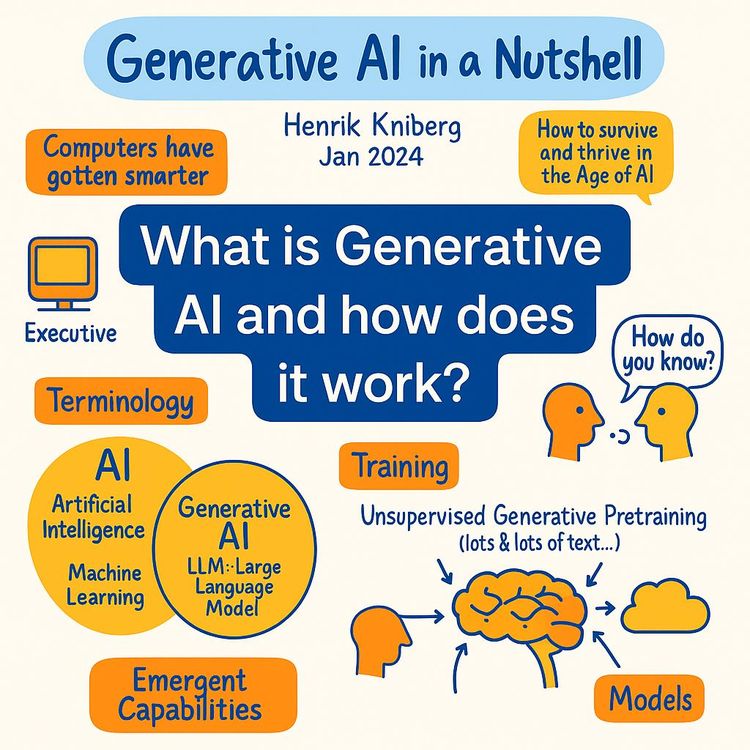
Video Course: What is Generative AI and how does it work?

Video Course: How to Use ChatGPT from Beginner to Professional
Video Course: How to Use Google Gemini for Google Workspace to Boost Productivity

Video Course: How to Use Claude 3.7 AI - Tips for Beginners!

Video Course: ChatGPT for Data Analytics: Full Course - from Beginners to Professional

Video Course: Generating Images and photos With ChatGPT?

Video Course: Generating Images & Photo's with MidJourney

Video Course: Generating Design's with Microsoft Designer and AI

Video Course: Generating Design's with Canva.com and AI
Join 20,000+ Professionals, Using AI to transform their Careers
Join professionals who didn’t just adapt, they thrived. You can too, with AI training designed for your job.