Google Gemini Full Course: Build Apps, Chatbots & Voice Agents (Video Course)
Build real AI products in one hour. This hands-on Gemini course shows you how to ship mini-apps from a single prompt, turn screenshots into sites, launch chatbots and voice agents, and run it all in Google's ecosystem with a simple G.O.L.D.I.E. workflow.
Related Certification: Certification in Building & Deploying Google Gemini Apps Chatbots & Voice Agents
Also includes Access to All:
What You Will Learn
- Build and embed chatbots and voice agents with AI Studio
- Convert screenshots or HTML into production-ready sites using Stitch and Gemini
- Create interactive mini-apps and UI prototypes from a single Gemini prompt
- Ground research and repurpose content with Notebook LM (summaries, slides, quizzes)
- Apply the G.O.L.D.I.E. framework to move ideas to live deployment
Study Guide
Google Gemini FULL COURSE (Build & Automate Anything)
Let's cut through the noise. You don't need a dozen disconnected apps and a bucket of tutorials to build useful AI products. You need one integrated system you can actually run your business on. That's what this course gives you: a practical, end-to-end way to ideate, design, build, and deploy with Google's AI ecosystem,centered around Gemini, and powered by AI Studio, Notebook LM, and Stitch.
By the end, you'll know how to create mini-apps with a single prompt, turn a screenshot into a working site, build voice agents that handle customer calls, and embed chatbots on your site that operate on your data. You'll also learn a simple framework,G.O.L.D.I.E.,to move from idea to live deployment without stress or overthinking. This is a one-hour masterclass in getting real outcomes, not theoretical knowledge you won't use.
One more thing. There's a new way to build with AI: "The old way was using 10 different AI tools that don't talk to each other. The new way is using Google's connected ecosystem where everything works together." Keep that line in your back pocket. It'll guide your decisions when the tool sprawl tries to pull you back in.
What This Course Covers and Why It Matters
The value here is simple: a single ecosystem that does research, content, design, code, and deployment,seamlessly. Gemini is your brain and hands. Notebook LM is your private library. Stitch is your design studio. AI Studio is your factory floor. The result? Faster builds, fewer moving parts, and more control.
We'll start with fundamentals, then go into practical builds: no-code apps, website redesigns, content automation, and intelligent agents. You'll learn how to combine tools in a flow that becomes second nature. You'll finish with a repeatable system and a handful of ready-to-deploy assets you can adapt to anything from client work to internal operations.
The Core Ecosystem at a Glance
Four tools, one brain. Here's how they fit together:
Gemini
Google's multimodal model and your main control panel. It understands text, images, and code. It has modes like Fast (quick iteration) and Pro (deeper, higher-quality reasoning). It also supports Canvas (for layout and code editing) and Dynamic View (for mini-apps and interactive outputs). You'll use it to plan, orchestrate, draft, generate, and test.
AI Studio
A web platform to build and prototype with Gemini, Imagen, and Veo. You can create chatbots, voice agents, and tools using prompts and simple configuration. It's the most direct path from idea to deployed experience, including an easy embed to your site.
Notebook LM
Your grounded research assistant. You upload documents, URLs, transcripts,Notebook LM sticks to your sources for answers. It can turn those sources into summaries, tables, quizzes, outlines, slides, audio overviews, and short videos. Perfect for team knowledge, study, and content repurposing.
Stitch
An AI UI/UX generator. Feed it a prompt or screenshot; it returns modern mockups with variants and predictive engagement heatmaps. Export to code (HTML/CSS) or push directly into AI Studio to "make it real." This is how you go from idea to functional interface in minutes.
Key Mental Models and Terminology
Context Window
The amount of content the model can process in one go. Gemini is known for a very large window (reportedly up to 1 million tokens), which means you can feed it long docs, entire code files, or big conversations without losing the thread. Practically, this means less chunking, better coherence, and richer outputs.
Grounding
When you force the AI to use specific sources (e.g., Notebook LM). This boosts relevance and reduces hallucinations. Use grounding for anything factual, legal, or brand-sensitive.
Canvas & Dynamic View
Canvas lets Gemini directly interact with layouts and code. Dynamic View turns outputs into lightweight, interactive mini-apps with buttons, sections, and structured views.
Triple Stack
Your personal setup: one tool for Research (Notebook LM), one for Content/Orchestration (Gemini), and one for Automation/Deployment (AI Studio). Master these deeply. "Master two to three tools deeply. Ignore everything else."
Gemini: Your Creative and Orchestration Hub
Think of Gemini as your project manager, copywriter, prototyper, and QA partner,all in one. It's where you quickly test ideas and generate real outputs. Two practical modes to remember: Fast for speed, Pro for depth and accuracy.
Interactive Mini-Apps with Dynamic View
You can ask Gemini to build dynamic, interactive tools from a single prompt. It will create sections, toggles, and calculators without you writing code.
Example #1: Itinerary Planner
"Plan a 10-day trip to Japan with a budget slider, daily schedule sections, and estimated costs by city. Include food, transport, and top attractions. Make sections collapsible."
Example #2: Pricing Calculator
"Create a pricing calculator for a digital marketing agency that collects inputs (industry, budget, goals), suggests a plan, and outputs a proposal summary with estimated ROI."
Website Redesigns with Canvas
Paste your site's HTML/CSS into Gemini and ask for a modernized version with better UX and copy. Canvas lets you refine sections directly.
Example #1: Landing Page Revamp
"Here's my HTML. Redesign the hero section with a bold headline, subhead with social proof, and a sticky CTA. Rewrite the copy to be clearer and more benefits-driven."
Example #2: Accessibility Fix
"Audit this HTML and improve color contrast, font sizes, and ARIA labels. Output an optimized version and explain each change."
Content Strategy & The Hook Bank
Gemini can extract patterns from your top-performing posts and generate dozens of new hooks. You get a repeatable well of ideas.
Example #1: Hook Bank from Winners
"Analyze these 50 titles. Identify patterns, then generate 60 new hooks for short-form videos on the same topic. Add category tags: contrarian, curiosity, how-to."
Example #2: A/B Hook Variations
"Give me 20 micro-variations of this hook with different emotional triggers: urgency, simplicity, status, novelty."
Advanced Image Generation and Editing
Gemini can generate images from text and precisely edit images you upload,even swapping text in thumbnails while preserving style and composition.
Example #1: Thumbnail Text Swap
"Replace the word 'good' with 'insane' on this thumbnail. Keep the font and layout identical. Export three color variants."
Example #2: Style Consistency Pack
"Generate five banner variations in this visual style for a product collection page. Include CTA buttons and space for a headline."
Tips
- Start in Fast mode to iterate quickly, switch to Pro when you lock direction.
- Ask Gemini to self-critique: "Identify 5 weaknesses and fix them."
- Keep prompts structured: goal, constraints, audience, format, examples.
Notebook LM: Grounded Research, Instant Repurposing
Notebook LM turns your sources into a living, searchable assistant that never goes off-script. Upload docs, URLs, transcripts. It answers based on your content and can auto-generate useful assets.
Core Outputs
- Summaries and outlines for long docs.
- Data tables and comparison matrices.
- Slide decks and infographics.
- Audio overviews for passive learning.
- Study guides, quizzes, and even short video summaries.
Example #1: Team Training Bot
Upload your sales SOPs and case studies. Ask: "How do we handle 'we already have an SEO agency'?" Notebook LM replies using your playbook,no guessing, no off-brand answers.
Example #2: Literature Review Sprint
Load 10 research articles. Ask for a unified summary, key themes, gaps in the research, and a slide deck with citations from your sources.
Best Practices
- Chunk large sources by topic for clarity.
- Label sources clearly: "SOP_Objections," "CaseStudies_LocalSEO."
- Use Notebook LM for anything where accuracy matters: policies, legal, pricing rules.
- Generate multiple formats from one source to maximize ROI.
Stitch: From Screenshot or Prompt to Design You Can Ship
Stitch is your AI designer. It converts natural language and screenshots into high-fidelity mockups with engagement insights, then lets you export code or hand off to AI Studio.
What It Does
- Generate modern, mobile-first mockups from prompts or screenshots.
- Offer design variations and predictive engagement heatmaps.
- Export HTML/CSS or send directly to AI Studio to build a functional front end.
Example #1: Redesign an Outdated Site
Upload a screenshot. Prompt: "Redesign this for a wellness brand. Make it calmer, add a testimonial carousel, and optimize for conversions."
Example #2: Build a Mobile App UI
"Design a mobile onboarding flow for a budgeting app with 3 steps: connect bank, set goals, confirm notifications. Include clear progress indicators."
Tips
- Use the heatmap to place CTAs and key content where attention clusters.
- Annotate exactly what you want changed; regenerate variations only when needed.
- Keep copy simple in Stitch; refine language later in Gemini or AI Studio.
AI Studio: Make It Real (Chatbots, Voice Agents, and Embeds)
This is where ideas become deployable products. AI Studio uses the same models but gives you controls for behavior, memory, tools, and embeds. Think of it as your production layer.
Build Custom Chatbots
You can define system behavior, feed knowledge, and publish in a single flow.
Example #1: Logo Concept Generator Bot
"You are a logo concept generator. Ask 7 discovery questions (name, target audience, brand personality, colors, imagery, use cases, competitors). After answers, output a design brief, 5 concept directions, and 3 tagline options."
Example #2: Product Finder Assistant
"You help customers choose the right camping gear. Ask about climate, duration, group size, and experience level, then recommend a bundle with SKU links."
Create Voice Agents
Voice agents can field calls, qualify leads, and answer FAQs. Train them on your content inside AI Studio.
Example #1: SEO Agency Rep
"Create a voice agent that answers service questions, qualifies leads (industry, budget, timeline), and books a discovery call using our calendar link. Use friendly but professional tone." Attach your FAQs and case studies.
Example #2: Appointment Concierge
"You are a dental practice concierge. Confirm insurance, describe services in plain language, and schedule appointments. If out of scope, escalate to a human."
Deployment and Embedding
When your bot or voice agent is ready, AI Studio can deploy it and generate an embed you can drop into your site.
Example #1: Website Embed
Ask Gemini: "Generate an HTML iframe to embed my AI Studio chatbot at 400px width and 600px height, bottom-right sticky." Paste the output into your site.
Example #2: Landing Page Integration
Add the bot on your pricing page with a custom pre-prompt: "Hi, I can help you pick a plan in under 60 seconds." Track conversions after adding.
Tips
- Define guardrails: what the bot should not do; escalation triggers.
- Train on concise, vetted docs to reduce noise.
- Start with a narrow scope, then add skills (pricing, troubleshooting, onboarding).
- Use staged rollouts to gather feedback without risking your brand voice.
Practical Applications You Can Build Today
Here's where the ecosystem shines. Everything below can be done fast with prompt-first workflows, then refined as needed.
No-Code Application Development
- Mini-App Itinerary Planner: Prompt Gemini to generate a travel planner with sections, toggles, and cost projections. Publish via Dynamic View.
- Lead Gen Quiz: Build a multi-step quiz that collects email, segments users, and outputs custom recommendations. Export text and UI to AI Studio for web deployment.
Rapid Website and UI/UX Prototyping
- One-Click Redesign: Paste site HTML into Gemini. Ask for a full modernization: layout, copy, accessibility, performance. Gemini outputs fresh code and rationale.
- Screenshot to Reality: Load an old site screenshot into Stitch, generate a better design, export to AI Studio, and "Make this real." Now you've got a functional front end to test.
Automated Content Creation and Marketing
- The Hook Bank: Analyze your winners to generate dozens of fresh hooks across channels and emotions.
- In-Image Text Editing: Upload your thumbnail or banner; instruct Gemini to swap copy or styles while preserving brand look. Create variations for A/B tests.
Intelligent Agent Development
- Customer Service Voice Agent: Spin up a voice rep in AI Studio, train it on your docs, and route calls. It can answer FAQs, qualify leads, and schedule.
- Website Embedding: Deploy the agent or chatbot via iframe and set it to appear on key pages with contextual intros.
The G.O.L.D.I.E. Automation Framework
This is your repeatable playbook to go from idea to shipped product.
1) Gather
Collect everything you've got. Use Notebook LM to ingest PDFs, SOPs, URLs, transcripts. Use Gemini to scrape or summarize public info where needed.
2) Organize
In Notebook LM, structure your knowledge into tables, mind maps, and reports. Clarify categories, audiences, and goals.
3) Learn
Create audio and video overviews, slide decks, and study guides. Share with your team. This step cements understanding and surfaces gaps.
4) Design
Use Stitch to craft mockups. Use Notebook LM to generate infographics or explainers. Decide on the minimal UI to deliver value fast.
5) Implement
Export from Stitch to AI Studio. Build chatbots, voice agents, or mini-apps. Use Gemini to write and refactor code, and to generate deployment scripts.
6) Engage
Deploy on your site or phone system. Embed chatbots, launch voice agents, collect feedback, and iterate.
End-to-End Example #1: Lead Capture Funnel
Gather: Load your buyer personas and FAQs into Notebook LM.
Organize: Produce a table mapping persona → pain → solution → CTA.
Learn: Generate an audio brief for your team on the funnel strategy.
Design: In Stitch, design a quiz UI and a results page layout.
Implement: In AI Studio, build the quiz bot and connect to email capture.
Engage: Embed on your homepage; run a small traffic test and measure conversion rate.
End-to-End Example #2: Internal Knowledge Bot
Gather: SOPs, policies, product specs into Notebook LM.
Organize: Summaries, FAQs, and a glossary.
Learn: Create a slide deck for onboarding new hires.
Design: Minimal internal portal UI in Stitch with a search bar and chat window.
Implement: AI Studio chatbot grounded in your docs.
Engage: Embed behind your intranet login; collect most-asked questions to refine docs.
Deep Dive: Building with AI Studio (Step-By-Step)
Step 1: Define Purpose
Write a 1-2 sentence objective in plain language: "Qualify leads for our SEO services and book consultations."
Step 2: Set System Behavior
In AI Studio, set the agent's persona, tone, and boundaries: "Friendly, concise, asks clarifying questions, never promises discounts."
Step 3: Load Knowledge
Attach your FAQs, pricing guidelines, case studies, and scope policies. Keep documents clean and current.
Step 4: Design the Conversation
Map out a simple flow: greet → clarify need → collect info → propose plan → CTA. Keep each step explicit in your prompt.
Step 5: Test and Refine
Role-play edge cases. Ask tricky questions. Let Gemini draft rewritten responses. Add guardrails for sensitive areas.
Step 6: Deploy and Embed
Use AI Studio's deployment. Ask Gemini for an iframe embed with your specs and paste it into your site. For example:
(Inside a paragraph for clarity) <iframe src="YOUR_AI_STUDIO_BOT_URL" width="400" height="600" style="position:fixed;bottom:20px;right:20px;border:none;border-radius:10px;box-shadow:0 10px 30px rgba(0,0,0,0.2);"></iframe>
Step 7: Monitor and Iterate
Watch transcripts, identify drop-off points, improve prompts and knowledge docs, then redeploy.
Two More Builds
- Post-Purchase Assistant: Answers "where is my order," handles returns, collects feedback, escalates complex issues.
- Sales Playbook Coach: Guides reps through discovery calls in real time and suggests next questions based on customer responses.
Deep Dive: Notebook LM for Research, Training, and Repurposing
Load Your Library
Upload PDFs, docs, web pages, and transcripts. Create notebooks by project or department.
Ask Scoped Questions
Notebook LM will answer using only your sources. This is ideal for compliance, legal, brand voice, and product facts.
Generate Assets
- Slide decks for training sessions.
- Audio overviews for internal briefings.
- Quizzes for onboarding assessments.
- Tables comparing competitors or SKUs.
- Short videos summarizing long docs.
Example #1: Educator Toolkit
Load a chapter. Ask for a lesson plan, quiz, and slides. Then generate an audio overview students can listen to before class.
Example #2: Research Summary Hub
Combine 15 articles on a topic. Produce a literature review, a list of open questions, and a reading roadmap by difficulty level.
Best Practices
- Keep sources high quality and up to date.
- Use naming conventions so you can reference sources in prompts.
- Ask Notebook LM to cite which sources support each claim.
- Repurpose everything: one report can become a deck, a set of visuals, a blog series, and a training module.
Deep Dive: Stitch for UI/UX That Converts
Start with Intent
Tell Stitch the goal: "Increase demo bookings," "Explain the product fast," "Make onboarding smooth."
Generate, Then Diagnose
Use heatmaps to place CTAs and critical info where attention is highest. Ask Stitch to create mobile-first variants and dark mode.
Export and Build
Export code or push to AI Studio. "Make this real" turns a mockup into a functional interface to validate quickly.
Example #1: Pricing Page with Choice Architecture
Prompt Stitch to create a 3-tier pricing page with the middle plan highlighted, feature comparison, and a trust indicator row.
Example #2: Minimalist Landing Page
"Design a landing page for a writing app. One big promise, one CTA, real example screenshots, and a short FAQ. Keep it fast."
Gemini for Content, Code, and Visuals (Advanced Tips)
Prompt Templates That Work
- Role: "You are a senior UX writer…"
- Goal: "Rewrite this page to increase trial signups by clarifying value."
- Constraints: "Max 120 words hero. No jargon. Use active voice."
- Examples: "Here are 3 headlines we like…"
- Self-critique: "List 5 ways to improve, then apply them."
Code with Guardrails
Ask Gemini to write code with comments, tests, and a brief explanation. Then ask for alternative approaches to compare trade-offs.
Advanced Image Edits
Use precise language: "Replace the headline text, preserve font weight, keep drop shadow unchanged, output at 1280x720."
Two Real-World Plays
- Campaign Builder: Feed Gemini your product brief and audience research. Generate ad copy, landing page copy, email sequence, and 10 image variants for testing.
- Docs to Tool: Paste your process doc and ask Gemini to turn it into a mini-app with steps, checklists, and status tracking in Dynamic View.
From Idea to Deployment: Two Guided Builds
Build #1: Lead Generation Quiz Funnel
- Gather: Upload your ICP notes and top blog posts to Notebook LM.
- Organize: Generate a table mapping pain points to quiz questions and outcomes.
- Learn: Create an audio overview for your team on quiz logic and messaging.
- Design: In Stitch, design a 4-step quiz with progress bar and email capture before results.
- Implement: In AI Studio, build a chatbot that asks the questions and logs responses. Generate HTML for a clean embed on your site.
- Engage: Place the quiz on the homepage and pricing page. Monitor completion rate and leads captured. Iterate on questions for clarity.
Build #2: Post-Purchase Support Agent
- Gather: Policies, shipping info, warranties, return process docs in Notebook LM.
- Organize: Create a decision tree for the top 10 support topics.
- Learn: Record an audio overview explaining escalation criteria.
- Design: Use Stitch to mock a support center UI with chat and quick links.
- Implement: In AI Studio, create a bot that answers common questions, checks order status (via tool integration if available), and hands off to human for exceptions.
- Engage: Embed on your order status page and inside the customer portal. Review logs weekly for gaps and update the knowledge base.
Business, Education, Research, Entrepreneurship: Where This Wins
Business
- Rapid prototyping of digital products and features.
- Automated customer support and lead qualification with bots and voice agents.
- Scalable content pipelines fed by Hook Banks and Notebook LM repurposing.
- Internal knowledge bases that actually get used.
Education
- Turn dense chapters into slides, quizzes, and audio briefings.
- Create study aids grounded in specific curricula.
- Flip the classroom by giving students summaries before lectures.
Research & Study
- Synthesize sources into coherent reviews and tables.
- Identify gaps and propose experiments.
- Build a personal "research coach" inside Notebook LM.
Entrepreneurship
- Build MVPs and marketing funnels with almost no capital.
- Validate ideas fast with Stitch → AI Studio flows.
- Automate onboarding, support, and retention with agents.
Key Insights and Takeaways (Read Twice)
- Integrated Ecosystem Advantage: You'll move faster when your tools talk to each other.
- Democratization of Development: You can build serious things with prompts and a clear spec.
- Focus Over Breadth: Pick your Triple Stack and go deep. Ignore shiny objects until your stack is producing results.
- Superior Context Handling: Gemini's large context window lets you feed it long docs without losing the plot.
- End-to-End Workflow: The flow from Notebook LM → Stitch → AI Studio, orchestrated by Gemini, is the cheat code.
And remember these lines, because they're true in practice: "You can redesign a whole website in one click." "Build a voice agent…that answers phone calls, qualifies leads, books appointments, or answers FAQs." "Master two to three tools deeply. Ignore everything else."
Action Items and Recommendations You Can Execute This Week
1) Build a Custom Knowledge Bot
- Upload SOPs, training manuals, and wikis into a new Notebook LM project.
- Ask it to generate a FAQ list and a glossary.
- In AI Studio, build a chatbot grounded in these docs. Deploy internally.
- Prompt: "You are our internal expert. Answer strictly from the attached docs. If unsure, ask for clarification or escalate."
2) Deploy a Customer-Facing Chatbot
- Start with a simple prompt in AI Studio.
- Train it on your "About" and "FAQ" pages.
- Ask Gemini to generate an iframe embed for your site's footer.
- Add a contextual greeting: "Need help picking a plan?"
3) Automate a Marketing Task
- Identify one repetitive task (hooks, captions, product blurbs).
- Feed Gemini your best performers and ask for a 50-item Hook Bank with tags.
- Create a weekly prompt template for consistent output.
4) Adopt the Triple Stack
- Research: Notebook LM as your knowledge engine.
- Content/Orchestration: Gemini for ideation, editing, prototyping.
- Automation: AI Studio for building bots, voice agents, and embeds.
- Commit to these for a month. Measure outcomes, not inputs.
Tips, Best Practices, and Pitfalls to Avoid
Prompting
- Be specific about audience, constraints, and failure modes.
- Provide examples of tone and structure.
- Ask for self-critique and a revised draft.
Data Hygiene
- Keep your knowledge docs concise and accurate.
- Separate policy from examples. Label everything.
- Review bot logs weekly and update the source of truth.
Security & Safety
- Don't upload sensitive data unless you understand your org's policies.
- Set escalation rules for anything high-risk (billing issues, legal topics).
- Add "do not" behaviors in AI Studio (e.g., "Do not offer discounts").
Iteration
- Ship v1, collect feedback, improve. Don't overbuild upfront.
- Use A/B tests for hooks, thumbnails, and CTAs.
- Keep design minimal until the behavior and copy prove themselves.
Performance
- Use Fast mode for brainstorming, Pro mode when accuracy matters.
- Cache answers to repetitive FAQs to reduce latency.
- Optimize your embeds for mobile; test on low bandwidth.
Complete Coverage of Practical Use Cases (Explicit Walkthroughs)
No-Code Itinerary Planner (Gemini Dynamic View)
Prompt: "Create a 7-day Italy trip planner with collapsible daily sections, budget toggles (low/med/high), a packing checklist, and map links. Let users adjust city order."
Refine: "Add family-friendly options and vegetarian food picks."
Publish: Use the dynamic output as a mini-app for your audience.
Lead Gen Quiz (AI Studio)
Design: 5 questions mapping to 3 personas.
Prompt: "Ask one question at a time. After answers, output a tailored recommendation and capture email with a permission prompt."
Embed: Add to your site's hero section. Incentivize with a customized plan.
Instant Website Redesign (Gemini Canvas)
Paste HTML into Gemini. Prompt: "Modernize design, improve readability, add testimonial carousel, optimize for speed and accessibility. Explain changes."
Export: Paste output into your editor and test. Iterate on copy with Gemini.
Screenshot → Stitch → AI Studio
Upload old screenshot to Stitch. Prompt: "Make this mobile-first. Emphasize benefits, reduce nav clutter, highlight a single CTA." Generate variations. Export to AI Studio and make it functional.
Hook Bank (Gemini)
Input: Your top posts or winners.
Prompt: "Extract patterns and generate 75 hooks categorized by emotion and format. Add a 1-line rationale for each."
Deploy: Load into your content calendar for the next month.
In-Image Text Editing (Gemini)
Upload: Your thumbnail/banner.
Prompt: "Replace headline with 'Steal My 3-Step Funnel.' Keep font and effects. Output 5 colorways."
Test: Run A/B on your landing page or channel.
Customer Service Voice Agent (AI Studio)
Prompt: "You are a friendly support agent. Handle shipping updates, returns, and warranty questions. If out of policy, collect details and escalate." Train on your docs and test edge cases.
Website Embeds (AI Studio + Gemini)
Ask Gemini to generate a styled iframe that matches your brand colors and position. Place it on contact, pricing, and order pages for context-aware engagement.
How to Think About This Ecosystem (Strategy Notes)
- Treat Gemini as your generalist: ideation, orchestration, content, and quick prototypes.
- Treat Notebook LM as your truth: anything factual or brand-critical lives here.
- Treat Stitch as your speed designer: test ideas visually before you commit.
- Treat AI Studio as production: bots, voice agents, and embeds that make you money or save you time.
Once you see the flow, it becomes obvious why this beats juggling random tools. The handoffs are clean. The friction is low. You get compounding returns because every asset you create fuels the next one.
Practical Prompts You Can Copy
Persona & Guardrails (AI Studio)
"You are a support agent for [Brand]. Be concise, empathetic, and solution-focused. Never discuss internal policies. If a user asks for a discount, respond: 'I'm not able to offer discounts, but I can help you find the plan that fits best.' Escalate if the user expresses frustration twice."
Code Refactor (Gemini)
"Refactor this React component for readability and accessibility. Add ARIA labels and keyboard nav. Include comments explaining decisions."
Research Synthesis (Notebook LM)
"From the uploaded reports, create a table with columns: Finding, Source, Confidence, Implication. Then generate 5 slides summarizing the top insights with citations."
Design Direction (Stitch)
"Design a mobile-first landing page for a language learning app. Big promise headline, social proof, three feature cards, and a single CTA. Include a lightweight hero illustration."
Study Break: Practice Questions
Multiple Choice
1) Which tool is best for turning a long PDF into slides, an audio summary, and a data table?
a) Gemini b) AI Studio c) Stitch d) Notebook LM
2) Which tool should you primarily use to build and deploy an AI voice agent for customer service?
a) Notebook LM b) AI Studio c) Stitch d) Gemini's Dynamic View
3) What's the correct sequence to turn a screenshot into a functional app?
a) AI Studio → Stitch → Gemini b) Stitch → AI Studio → Gemini c) Gemini → Notebook LM → Stitch d) Notebook LM → Gemini → AI Studio
Short Answer
1) Describe how to create a Hook Bank using Gemini.
2) Explain the difference between using Gemini versus Notebook LM for a specific topic.
3) What does the "Implement" step in G.O.L.D.I.E. entail, and which tools do you use?
Discussion
1) Brainstorm an interactive tool (quiz, calculator, generator). Outline your G.O.L.D.I.E. plan to build and launch it,no code.
2) Voice agents are powerful but complex. Share one benefit and one risk of deploying a customer-facing voice agent. How would you mitigate the risk?
Answers to Multiple Choice
1) d 2) b 3) b
Advanced Considerations and Best-In-Class Habits
Context Management
- With Gemini's large context, you can load long docs,but don't be lazy. Provide summaries and highlight key sections to guide the model's attention.
- For bots, keep a concise "command spine" prompt separate from knowledge docs.
Evaluation Loops
- Set up a weekly review: transcripts, unresolved issues, and top confusion points.
- Ask Gemini to propose rule updates or clarifications for your agent's behavior.
Performance and UX
- Fast responses beat perfect ones. Aim for under 2 seconds where possible.
- Use conversational confirmations: "Here's what I got,did I miss anything?"
- Prefill user context (page, plan, region) to reduce friction.
Ethics and Trust
- Disclose when users are interacting with an AI agent.
- Provide a clear human escalation option.
- Log and review sensitive conversations with consent.
The "Triple Stack" Daily Workflow
Morning
- Notebook LM: Review new docs and summaries.
- Gemini: Draft campaign angles, hooks, and UI copy.
- Stitch: Generate any new visuals or page layouts needed.
Afternoon
- AI Studio: Update bots and voice agents. Deploy improvements.
- Gemini: Run self-critiques on copy and code. Patch and test.
- Notebook LM: Archive learnings and update the knowledge base.
Simple. Repeatable. Effective.
Common Questions
Q: Why not just use a single chatbot for everything?
A: Because accuracy and context matter. Use Gemini for broad creativity and quick builds. Use Notebook LM when you need grounded, source-based answers. Use AI Studio when you need predictable behavior and deployment.
Q: How do I prevent wrong answers?
A: Scope your bot's responsibilities, ground it in vetted docs, add "do not" instructions, and set escalation rules. Review logs and iterate.
Q: What if my design looks good but doesn't convert?
A: Use Stitch's heatmaps to reposition content. Refine copy in Gemini. Test one change at a time. Add social proof and a frictionless CTA.
Mini Case Studies
Case #1: Service Business Reboot
- Problem: Outdated site, low conversions, overwhelmed support inbox.
- Solution: Stitch redesign → AI Studio chatbot for FAQs → Gemini Hook Bank for weekly content.
- Result: Cleaner UX, fewer low-value tickets, consistent content cadence.
Case #2: Course Creator Scale-Up
- Problem: Huge archive of content with no system to repurpose.
- Solution: Notebook LM to create summaries, slides, and quizzes; Gemini for hooks and thumbnails; AI Studio embed for lead quiz.
- Result: Pipeline of posts, better list growth, higher time-on-site.
Recap and Final Push
You now have a clear map to build, automate, and deploy with Google's AI ecosystem. Gemini orchestrates. Notebook LM grounds your work in truth. Stitch gives you modern designs on demand. AI Studio turns ideas into deployed experiences,chatbots, voice agents, and mini-apps on your site.
Master the G.O.L.D.I.E. flow: Gather → Organize → Learn → Design → Implement → Engage. Use the Triple Stack: Notebook LM, Gemini, AI Studio. Build your first internal knowledge bot, deploy a customer-facing chatbot, automate a marketing task with a Hook Bank, and lock in your daily workflow. This isn't about playing with features; it's about running a system that compounds over time.
Remember: the integrated ecosystem is the advantage. You can redesign a whole website in one click. You can build a voice agent that books appointments. Focus on a few tools, learn them deeply, and ship. The results will follow when you apply what you learned today.
Frequently Asked Questions
This FAQ is a practical companion for the "Google Gemini FULL COURSE 1 HOUR (Build & Automate Anything)." It answers common questions from first steps to advanced automation, so you can build faster, reduce guesswork, and avoid dead-ends. Each answer focuses on business outcomes, clarity, and real-world use. You'll find guidance on tools (Gemini, AI Studio, NotebookLM, Stitch), model choices, security, deployment, and workflow design,plus pitfalls to avoid and examples you can copy straight into your work.
Goal:
Give you clear answers that translate into working apps, automations, and content,without getting lost in theory.
Getting Started With The Gemini Ecosystem
What is the Google Gemini AI ecosystem?
The Google Gemini AI ecosystem is a connected suite of tools for research, creation, design, coding, and automation. You move ideas from prompt to production without switching platforms. Core tools include the Gemini chat interface (multimodal reasoning and content generation), AI Studio (build and deploy apps, chatbots, and voice agents), NotebookLM (research assistant grounded in your own sources), and Stitch (text- or image-to-UI design). Together, they streamline planning, prototyping, and shipping.
Why it matters:
Integrated workflows cut context switching, speed up iteration, and keep outputs consistent,from sales playbooks to website UIs to customer-facing assistants,so small teams can ship like larger ones.
What are the main tools in this ecosystem and what do they do?
Gemini is your orchestration layer for ideas, content, images, and reasoning. AI Studio turns prompts into working apps, chatbots, and voice agents with deployable endpoints. NotebookLM grounds responses in your PDFs, links, and transcripts to keep answers factual to your sources. Stitch converts descriptions or screenshots into modern, mobile-first UI designs and can export code or hand off to AI Studio to "make it real."
Example:
Upload a screenshot of your pricing page to Stitch → generate a cleaner layout → export to AI Studio → deploy the new front-end → use Gemini to draft pricing copy and NotebookLM to ensure it aligns with your policies.
Are the tools in the Google AI ecosystem free to use?
Yes, many core capabilities are available at no cost, including standard Gemini, AI Studio prototyping, and NotebookLM. Free tiers typically include generous usage for building proofs of concept, small apps, or content workflows. Some advanced features, higher quotas, or enterprise controls may require paid plans.
Practical tip:
Prototype your entire flow on free tiers (research in NotebookLM → design in Stitch → build in AI Studio → content in Gemini). Upgrade only when you hit a usage limit or need enterprise-grade controls.
What are the different Gemini models like "Fast," "Pro," and "Thinking"?
Model choice trades speed for depth. Fast prioritizes low latency and is great for rapid ideation, bulk edits, and conversational tasks. Pro balances speed with quality for most business use cases. Thinking (sometimes labeled Deep Think) provides more deliberate reasoning for complex analysis, multi-step planning, and edge-case evaluation,at the cost of slower responses.
Rule of thumb:
Start with Pro for balanced quality, switch to Fast for volume or live interactions, and use Thinking for critical tasks like financial analysis, legal-style policy mapping, or multi-constraint product planning.
Practical Applications & How-To
How can I build a simple, interactive "mini-app" with Gemini?
In Gemini, describe the tool and the inputs/outputs. For example: "Create a SaaS pricing calculator with plan tiers, usage inputs, and a savings comparison to competitors." Gemini can render an interactive layout (Dynamic View) that accepts user inputs, performs calculations, and shows results. Iterate by asking for features like validation, CSV export instructions, or copy updates.
Example:
A "Client Proposal Generator" that asks for client type, goals, budget range, and timeline, then produces a scoped proposal with milestones and a signature block.
How can I use Gemini to redesign my website?
Paste your page's HTML/CSS into Gemini and ask for a modern, mobile-first redesign. Specify goals (clear pricing, stronger social proof, simplified hero), tone (credible, direct), and constraints (keep brand colors, retain SEO text). Request a clean semantic structure, accessible contrast, and readable typography. You can also ask Gemini to produce variant versions for A/B testing.
Pro move:
Feed a brief ("primary CTA: book demo," "avoid carousels," "show 3 customer logos above the fold") and have Gemini generate updated code plus alt text, meta descriptions, and schema suggestions.
What is Google Stitch and how does it create website designs?
Stitch converts plain-text briefs or screenshots into UI mockups. Describe the page (content blocks, CTAs, forms, testimonials), and it drafts a clean layout you can tweak. Upload an old page screenshot to request a modern refresh. You can annotate sections, generate variations, and view predictive attention to prioritize key elements.
Use case:
"Redesign this landing page to increase demo requests: add a compact hero with social proof, a sticky CTA, and a three-step explainer. Keep brand colors and simplify the footer."
How do I turn a design from Stitch into a functional website?
After you're happy in Stitch, send it to AI Studio using "Make it real" or export for AI Studio. AI Studio translates the design into front-end code and a runnable project. From there, you can add forms, analytics, and embed a chatbot. Request Gemini to review code for accessibility and performance improvements before deployment.
Example:
Ship a marketing site in a day: Stitch for layout → AI Studio to code → Gemini for copy and image variations → deploy → iterate with user feedback.
How do I create and edit images with Gemini?
Generate from text ("photoreal product mockup on a white background"). Edit by uploading an image and giving precise instructions ("replace headline text with 'Free Strategy Call,' keep font weight and color"). Use constraints like dimensions, background, and style to keep outputs on brand. Produce A/B variants by changing color schemes, cropping, or overlay text.
Tip:
Bundle the prompt with a short brand guide (colors, fonts, tone) and a reference image to improve consistency across thumbnails, ads, and social posts.
What is NotebookLM and how can I train it on my own data?
NotebookLM creates a private knowledge space grounded in your sources. Add PDFs, pasted text, URLs, and video transcripts. It answers using only those materials, keeping responses aligned to your content. This is ideal for SOPs, sales enablement, product docs, and research libraries. Organize by project or team to keep context tight.
Example:
Upload your sales playbook, case studies, and onboarding docs. Ask, "What's our standard response to 'your price is too high'?" NotebookLM cites where it found the answer.
What kind of content can NotebookLM automatically generate?
NotebookLM can transform your sources into summaries, outlines, slide decks, data tables, checklists, quizzes, and visual assets like infographics. It can also produce audio overviews or short video-style summaries for fast learning. Each asset is grounded in your inputs, making it ideal for training, compliance, or internal comms.
Workflow:
Upload a market report → create a 10-slide summary → generate a quiz for your team → export a one-page infographic for clients.
How do I build a custom AI chatbot in AI Studio?
Create a new app in AI Studio and write a clear system instruction: role, goal, inputs, outputs, style, and safety constraints. Add grounded data (FAQ pages, docs, SOPs) so the bot answers with context. Test edge cases, define fallback behavior, and specify what to do when it's unsure (ask clarifying questions or escalate). Then deploy and embed it on your site.
Example:
"You are a B2B onboarding assistant. Collect use case, team size, timeline, and tools. Provide a setup checklist, recommended integrations, and a 14-day success plan."
Can I build a voice agent that can handle customer service calls?
Yes. In AI Studio, create a voice app with call flows, intents, and a personality guideline. Ground it with your knowledge base (FAQ, policies, troubleshooting steps), set escalation rules, and test with real scenarios. Include verification steps for sensitive actions and log summaries to your CRM.
Example:
For an SEO agency, the agent qualifies leads, gathers the site URL and goals, checks if they have Analytics, and books calls on your calendar via an integration.
How do I embed a chatbot or voice agent from AI Studio onto my website?
Deploy your AI Studio app, copy the public URL, and ask Gemini to generate embed code as an iframe or floating chat bubble. Paste the snippet into your site's HTML (WordPress, Webflow, Squarespace). Test on mobile, verify cross-domain settings, and ensure cookies and analytics events are configured.
Tip:
Add a concise starter prompt in the widget ("Ask me anything about pricing, features, or migration") and a clear privacy link.
How does Gemini compare to other AI models like ChatGPT?
Gemini stands out for native multimodality, tight integration across tools (AI Studio, NotebookLM, Stitch), and strong image editing. It also supports large context windows for long documents, enabling deeper analysis in one go. Other models may have strengths in specific coding tasks or plugin ecosystems, so evaluate by use case.
Decision tip:
For end-to-end build-and-ship inside one stack, Gemini's ecosystem is efficient. For niche features you rely on elsewhere, compare outputs on your own data and workflows.
Advanced Concepts & Best Practices
Do I need to be a developer to use these tools?
No. You can ship real outcomes with clear prompts and structured instructions. For advanced integrations, basic familiarity with APIs or Google Apps Script helps, but it's optional for many use cases. Think in terms of roles, steps, inputs, outputs, and constraints,then let the tools implement.
Mindset:
Describe the result you want, provide examples, and iterate. Non-developers can build lead gen tools, onboarding assistants, calculators, and training assets in days.
Certification
About the Certification
Become certified in Google Gemini app, chatbot & voice agent development. Ship mini-apps from a single prompt, turn screenshots into sites, launch voice/chat agents, and deploy fast across Google's ecosystem using the G.O.L.D.I.E. workflow.
Official Certification
Upon successful completion of the "Certification in Building & Deploying Google Gemini Apps Chatbots & Voice Agents", you will receive a verifiable digital certificate. This certificate demonstrates your expertise in the subject matter covered in this course.
Benefits of Certification
- Enhance your professional credibility and stand out in the job market.
- Validate your skills and knowledge in cutting-edge AI technologies.
- Unlock new career opportunities in the rapidly growing AI field.
- Share your achievement on your resume, LinkedIn, and other professional platforms.
How to complete your certification successfully?
To earn your certification, you’ll need to complete all video lessons, study the guide carefully, and review the FAQ. After that, you’ll be prepared to pass the certification requirements.
Other AI Video Courses
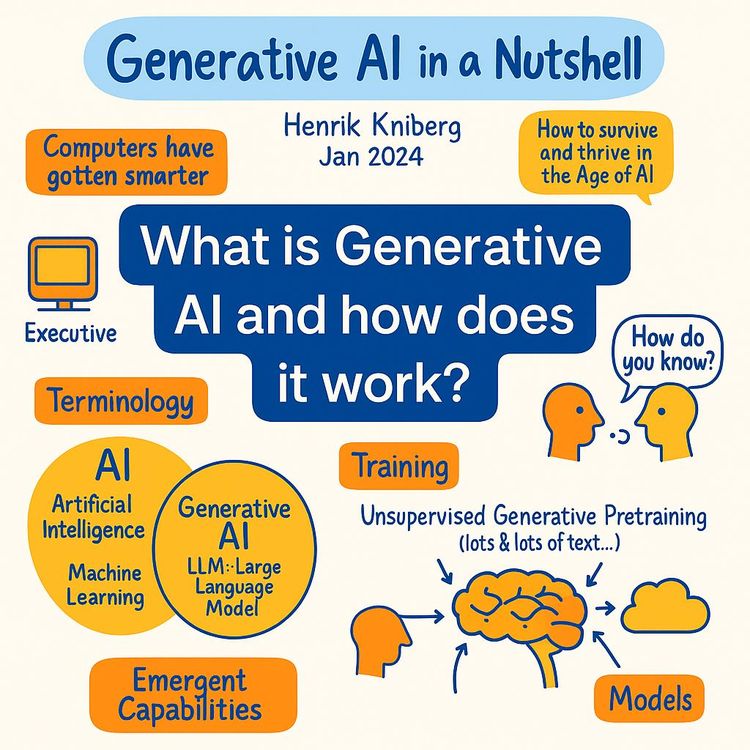
Video Course: What is Generative AI and how does it work?

Video Course: How to Use ChatGPT from Beginner to Professional
Video Course: How to Use Google Gemini for Google Workspace to Boost Productivity

Video Course: How to Use Claude 3.7 AI - Tips for Beginners!

Video Course: ChatGPT for Data Analytics: Full Course - from Beginners to Professional

Video Course: Generating Images and photos With ChatGPT?

Video Course: Generating Images & Photo's with MidJourney
Video Course: Generating Design's with Microsoft Designer and AI

Video Course: Generating Design's with Canva.com and AI
Join 20,000+ Professionals, Using AI to transform their Careers
Join professionals who didn’t just adapt, they thrived. You can too, with AI training designed for your job.