OpenClaw: Set Up, Deploy, and Automate Your AI Agent on a VPS (Video Course)
Build a real AI teammate that ships work while you sleep. In this hands-on course, you'll set up OpenClaw on a secure VPS, connect it to Telegram, give it a personality and skills, and delegate dev, ops, research, and inbox tasks,safely.
Related Certification: Certification in Setting Up, Deploying, and Automating AI Agents on VPS
Also includes Access to All:
What You Will Learn
- Deploy a secure OpenClaw agent on a VPS sandbox.
- Connect the agent to any LLM and pair it with Telegram for chat control.
- Design and iterate soul.md to define personality, style, and boundaries.
- Build custom skills and agent workflows (deploy apps, triage inbox, run research).
- Use persistent memory and coordinate multi-agent setups for compounding value.
- Apply security, cost-control, and observability best practices (tokens, logs, models).
Study Guide
OpenClaw Full Course | Set Up and Deploy Your Own AI Agent
Let's be honest: most people are still stuck "using" AI like a better search bar. OpenClaw flips that script. It gives your AI a body that can take real action,write code, run commands, browse the web, edit files, send messages, deploy apps,while you steer it through a simple chat on your phone. That's the real unlock: delegation. You stop babysitting tasks, and your agent quietly ships work in the background.
This course walks you from zero to a fully deployed OpenClaw agent running in a secure sandbox, connected to your favorite LLM, paired with your Telegram, with a custom personality, custom skills, and practical automations that actually save hours. You'll learn how to think in "agent workflows," build your agent's soul, give it safe access to tools, and compound its usefulness over time with persistent memory and custom skills. You'll see exact examples for developer tasks, business ops, research, and personal productivity,plus best practices for cost control, security, and multi-agent setups.
By the end, you'll have your own persistent AI teammate running around the clock. You message it. It gets it done. That's the game.
What You'll Learn and Why It Matters
You're not learning another app. You're building your own teammate that lives on a server and does real work for you. Here's what you'll master, step by step:
- The mental model of an "AI agent" vs a chatbot,how OpenClaw acts, remembers, and executes.
- Secure, sandboxed deployment on a VPS (non-negotiable).
- Connecting the agent to an LLM (your "brain") and Telegram (your control interface).
- Crafting your agent's soul (identity, style, boundaries) in soul.md so it behaves like your ideal teammate.
- Running five practical developer workflows from your phone,no IDE, no laptop required.
- Building custom skills in plain language (the real compounding value).
- Advanced tips: memory management, model selection strategy, multi-agent systems, voice commands, and cost control.
- A repeatable playbook to go from low-risk experiments to production-grade automations.
Agents vs. Chatbots: The Mental Model You Need
OpenClaw is not a model. It's an orchestration framework that connects any major LLM (GPT, Claude, Gemini) to a body: the browser, terminal, file system, external APIs, and apps on a dedicated machine. Instead of giving you suggestions, it can actually execute them. Three principles power everything:
1) Full Computer Control
OpenClaw can browse the web, run terminal commands, read/write files, push to GitHub, deploy apps, even manage calendars or send emails,within the sandbox you give it. That's the "body."
Examples:
- Ask it to scaffold a Next.js app, fetch GitHub commits via API, commit the code, and deploy to Vercel,hands-free.
- Tell it to bulk-rename files, extract data from PDFs into CSV, and upload the result to a cloud bucket.
2) Persistent Memory
Your agent remembers what you tell it,projects, preferences, decisions. Over weeks, it becomes a second brain that gets faster and more accurate because it already knows your world.
Examples:
- It remembers your code style, folder structure, and API choices,and reuses them in future tasks.
- You can say "Same tone as last time" when drafting an email and it nails it without more prompts.
3) Conversational Delegation
No dashboards required for daily use. You message your agent on Telegram (or other channels) and it gets to work. It reports back, asks clarifying questions when needed, and runs in the background.
Examples:
- From your phone: "Deploy the landing page update and roll back if conversion drops below 3%."
- "Check new GitHub issues on our repo, label them, and summarize top priorities at 5 PM."
Why Security Comes First: The VPS Sandbox
Giving an AI full control over a computer is powerful,and risky if you do it on your personal laptop. The solution: isolate it on a low-cost VPS. That's the standard move for OpenClaw deployments.
Sandboxing Benefits
- Isolation: Your agent can't touch personal files, saved passwords, or browsing history.
- Resilience: If something breaks, destroy and recreate the VPS in minutes,your main machine stays clean.
- Availability: The VPS stays online 24/7 so your agent can monitor, schedule, and execute anytime.
Examples:
- The agent experiments with package versions and system settings without risking your laptop.
- You reboot the VPS to clear a misbehaving process without losing your local workflow.
One-Click Deployment (Fastest Path to Live)
Providers like Hostinger offer one-click OpenClaw templates. You get Docker, dependencies, and base config preinstalled. Setup time drops from hours to minutes.
Step-by-Step
1) Select a VPS plan: at least 2 CPU cores and 8 GB RAM recommended. Plan some disk headroom (100 GB is comfortable).
2) Provide your LLM API key: from OpenAI, Anthropic, or Google. This is pay-per-use and separate from any personal subscriptions.
3) Connect your communication channel: Telegram is ideal,your agent gets its own name and profile photo. You'll use a BotFather token to connect.
4) Define the agent's personality: You'll set up soul.md,the identity, style, and boundaries. You can update this anytime by telling the agent in chat.
5) Save your OpenClaw Gateway Token: This is your admin credential for the dashboard. Store it like a password.
Model Cost Tip
Use lighter, cheaper models for routine tasks (summaries, routine coding); switch to heavier models for complex analysis or gnarly debugging. Your cost drops, your throughput increases.
Key Concepts You'll Use (Plain Definitions)
- OpenClaw: The orchestration layer that connects an LLM "brain" to a "body" that can act on a computer.
- AI Agent: Software that can perceive, reason, and take action in a digital environment without constant supervision.
- Orchestration Layer: The system that coordinates the LLM, tools (browser, terminal, files), and memory to execute tasks.
- VPS: A virtual server you control entirely. This is your sandbox for the agent,cheap, isolated, always on.
- Sandboxing: Running potentially risky or powerful processes in a safe, separated environment.
- Persistent Memory: Long-term context your agent accumulates,projects, preferences, people, decisions.
- soul.md: A text file defining the agent's identity, style, and boundaries. You can update it via chat.
- Skill: A modular capability your agent can run as a repeatable function (e.g., nightly GitHub triage).
- LLM: The "brain" (Claude, GPT, Gemini) that does reasoning and language.
- API Key: Your secret token to access the LLM provider.
Accessing the Dashboard and Connecting Telegram
Once your VPS is up, you'll get a URL for the OpenClaw dashboard. Log in with your Gateway Token. From there, the fastest way to "own" your agent is to wire it into Telegram so you can talk to it like a teammate.
Connect Telegram (Exact Process)
- In Telegram, start a chat with BotFather.
- Send /newbot, choose a name, and a username ending in _bot.
- BotFather gives you a Telegram Bot Token,copy it.
- In the OpenClaw dashboard chat, tell your agent: "Set up a Telegram channel for communication with my new bot token: [paste token]."
- The agent will configure and restart services if needed.
- Message your new bot /start to pair. It will give you a pairing code.
- Paste that pairing code back into the dashboard chat to finalize.
Examples:
- "Connect this bot to my agent: 1234567:ABC-xyzYourTokenHere."
- "Pair my Telegram account using code 847392."
Design the Soul: Turn a Raw Model into Your Ideal Teammate
soul.md is where your agent becomes "yours." It's not fluff. It's performance-critical. A great soul saves prompts, reduces back-and-forth, and aligns behavior with your standards and tone.
What to Include
- Identity: Name, role, and purpose (e.g., "Nova, Senior Engineer and Chief of Staff").
- Core Truths: Non-negotiable principles (e.g., "Be resourceful before asking questions," "Use plain language").
- Communication Style: How to speak (e.g., "Direct, concise. Give me the point, then details when asked").
- Boundaries: What's off-limits or requires approval (e.g., "Never send external emails without confirmation").
Examples:
- "You are my DevOps and Automation Lead. You propose improvements, document processes, and build tools that remove me from repetitive tasks."
- "When the answer fits in one sentence, only give me one sentence. Summaries first. Detailed logs on request."
How to Update It
- Tell the agent in chat: "Update your soul.md with the following: [paste content]."
- The agent confirms and reloads. You can iterate as you learn what works.
Examples:
- "Add a boundary: Don't commit directly to main unless I say 'ship to main.'"
- "Tweak tone: Slightly more casual. Still direct. Emphasize action over explanation."
Pro Tip
Browse souls.directory for inspiration. Borrow, remix, and refine to match your workflow and values.
Granting Access Safely: Tools, Tokens, and Permissions
Start with minimal access. Expand intentionally. This isn't about paranoia; it's about control.
Common Integrations
- GitHub: Personal Access Token scoped to specific repos (repo: read/write, pull_request: write).
- Gmail: App Password (requires 2FA). Avoid sharing your main password. Start read-only for triage tasks.
- Vercel: Token to create and manage deployments.
- Calendars/Docs: Scoped API keys or service accounts,grant least privilege necessary.
Examples:
- "Here is a GitHub token with repo scope for project-X. Create feature branches and open PRs,no direct main commits."
- "Here's a Gmail app password. Only summarize and draft,ask before sending."
Best Practices
- Store tokens as environment variables or the agent's secure secrets store if available.
- Use read-only first, then escalate if the automation proves safe and useful.
- Rotate keys periodically and immediately on suspicion.
- Document what you've granted and why.
Use Case 1: Remote Project Deployment from Your Phone
This case nails the magic of OpenClaw: you type a message; a live app appears on the internet. No IDE. No manual steps. Your agent does everything.
What You Do
- Provide a Vercel token and GitHub access.
- Message your agent: "Build a Next.js dashboard showing my GitHub commit activity for the last 30 days and deploy it to Vercel."
What the Agent Does
- Creates a repo and Next.js project.
- Installs dependencies, sets up pages/components.
- Implements GitHub API calls and a clean UI.
- Pushes code, configures Vercel, and deploys.
- Shares the live URL and deployment logs.
Examples:
- "I can't see any commits; fix it." The agent checks API endpoints, adjusts pagination or auth headers, updates code, and redeploys.
- "Add a date picker and dark mode. Same styling as our docs site." It updates UI, matches design tokens, tests locally, and redeploys.
Best Practices
- Give a target outcome, not implementation details,let the agent choose defaults and tools.
- Ask for a brief README and a "What I built" summary to keep context reusable.
- Request smoke tests (e.g., "Add a simple health check route").
Use Case 2: Inbox Triage to Code Remediation
Your agent is an executive assistant that can also write code. It reads your inbox, prioritizes, and if the issue links to a bug, it can fix it and open a PR.
Setup
- Enable 2FA on Gmail, create an App Password, and give it to the agent.
- Start with "read-only and draft emails only" boundary in soul.md.
Workflow
- "Scan my inbox and tell me what requires attention today."
- The agent summarizes: bug reports, partner emails, invoices, and deadlines.
- You reply: "On the bug report from QA, read the linked GitHub issue and fix it."
- The agent investigates, identifies an incorrect cookie policy, patches the code, commits on a new branch, pushes, and opens a PR with a clear description.
Examples:
- Draft: "Reply to the sponsorship email: thank them, ask for a higher budget, confirm a Q2 timeline, and request creative guidelines."
- PR message: "Fix cookie policy causing auth loop. Adjust SameSite setting; added regression test. Resolves #234."
Best Practices
- Always require approval before sending external emails.
- Enforce branch-protection: "Always open a PR,no direct main commits."
- Ask for a one-paragraph postmortem for any bug fixed via email-to-PR pipeline.
Use Case 3: Automated Research at Scale
Turn your agent into a research machine that compiles structured reports and recurring digests.
One-Off Research
- "Research the top five AI agent frameworks. Compare features, GitHub stars, community activity, and pricing. Send a concise report."
- The agent browses docs, GitHub, forums, and compiles a structured, scannable summary with sources.
Recurring Digests
- "Every Monday morning, summarize the most important updates in AI over the weekend. Prioritize items relevant to developer productivity."
- The agent schedules the job, pulls data from curated sources, filters noise, and delivers a tight brief to Telegram.
Examples:
- "Track the top three competitors' changelogs, blog posts, and release notes. Send a fortnightly 'what matters' brief."
- "Compare Vercel vs Netlify for our use case (SSR heavy, edge caching, analytics). Make a recommendation with trade-offs."
Best Practices
- Ask for source links and a 'confidence level' in each claim.
- Request an executive summary first, with an optional deep-dive appendix.
Use Case 4: Build a Persistent Second Brain
Your agent becomes an external memory system. It remembers your goals, projects, and decisions so you don't have to repeat yourself.
How to Use It
- Continuously feed it relevant docs: "Read this Notion page and add it to the context for Project Atlas."
- Ask for context on demand: "What do you know about the agentic development course I'm working on?"
Examples:
- "Summarize our decisions about API versioning across services,and note any open questions."
- "List my recurring tasks for the marketing pipeline and when each happens."
Best Practices
- Do a monthly memory cleanup: "Flush outdated info on Project Phoenix; keep only the final architecture and open issues."
- Ask for memory audits: "Show me what you consider 'core knowledge' about my business."
Use Case 5: Create Custom Skills (Your Personal Automations)
Skills are where your agent compounds in value. Describe the workflow you want. The agent writes the code and config, schedules it, and confirms when it's live.
Flagship Example
- "Create a new skill that monitors the Next.js GitHub repo for new issues every evening at 6 PM. Categorize by priority based on labels and send me a Telegram summary."
- The agent creates the job, config file, label mapping, and notification format.
More Examples
- "Every Friday, pull Stripe revenue, active subscriptions, churn, and MRR deltas; generate a one-page report with week-over-week change."
- "Nightly, scan our docs site for broken links and outdated screenshots; open GitHub issues with proposed fixes and assign owners."
Best Practices
- Always ask for a dry run first with sample output.
- Log everything. Request a log summary after each scheduled run.
- Version the skill: "Keep config v1.2 in repo under /skills/research/nextjs_issues."
Key Insights You Must Absorb
- Shift from using to delegating: The win is not faster prompts,it's whole workflows off your plate.
- Security through isolation: The VPS sandbox is non-negotiable. It prevents nasty surprises.
- Personality defines utility: A sharp soul.md turns a generic model into your operator.
- Compounding value: Memory plus custom skills turn a helper into infrastructure.
- Custom skills are the unlock: This is where "personal" becomes "powerful."
Noteworthy Lines Worth Remembering
- "Running it on a VPS isn't just cheaper, it's safer because your agent gets its own isolated machine. It can't touch your personal files… It's sandboxed by default."
- "You're not using a tool. You're delegating to an employee."
- "Your agent becomes whatever you tell it to be."
- "I didn't navigate any menus and I didn't edit any config files. I told my agent to update itself and it did."
- "The agent bot just went from reading my email to pushing a code fix from one message."
Applications Across Roles
For Software Developers
- Continuous code review on open PRs with risk notes and test suggestions.
- Automatic preview environments on each feature branch with smoke-test results.
For Businesses
- Automated market scans and competitor tracking with actionable summaries.
- Weekly internal status reports compiled from GitHub, Slack, and project boards.
For Education
- Personalized coding mentor that reviews assignments and suggests next exercises.
- Course content digests with quizzes pulled from lecture notes and readings.
For Individuals
- Personal schedule orchestration and inbox triage with gentle nudges when you're lagging.
- Curated digests on hobbies or news, trimmed to exactly what you care about.
Your Action Plan (From Zero to Useful)
1) Procure a Suitable VPS
Pick a cloud provider with at least 2 CPU cores and 8 GB RAM. Give the agent room to breathe.
2) Obtain LLM API Keys
OpenAI, Anthropic, or Google. Start with a cost-effective model for daily tasks; reserve heavy models for deep work.
3) Perform the Initial Deployment
Use a one-click template if available. Save the OpenClaw Gateway Token securely.
4) Define a Clear Agent Persona
Write soul.md: name, role, expertise, style, and ethical boundaries. Treat it like an employee handbook.
5) Start with Low-Risk Tasks
Research, summaries, code review on non-production repos. Learn its quirks safely.
6) Incrementally Grant Access
Add email, GitHub, and deployment tokens only as needed. Keep scopes tight.
7) Develop Custom Skills
Automate your recurring workflows. Iterate. Document. Let the system run itself.
Hands-On: Your First Hour with OpenClaw
Minute 0-10: Deploy and Log In
- Launch the VPS with the OpenClaw template.
- Provide your LLM API key during setup.
- Log in with the Gateway Token. Save it in your password manager.
Minute 10-20: Connect Telegram
- Create a bot with BotFather; copy the token.
- In dashboard chat: "Set up a Telegram channel using this token: [paste]."
- Pair your Telegram via the code the bot gives you.
Minute 20-35: Define the Soul
- "Update your soul.md with: [paste identity, style, boundaries]."
- "Confirm you reloaded successfully and summarize your operating rules."
Minute 35-45: Low-Risk Warmups
- "Summarize this article and extract 5 actionable takeaways."
- "Generate a checklist for shipping a small Next.js feature safely."
Minute 45-60: First Useful Automation
- "Create a skill that scrapes our docs for broken links nightly at 2 AM and sends a report."
- "Run a dry test now and show me the output format."
Prompt Patterns That Work
Outcome-Focused
"Deploy a live Next.js dashboard that shows last 30 days of my GitHub commits. If anything fails, tell me the blocker and propose a fix."
Constraints and Boundaries
"Read my inbox. Draft replies only,never send. Summarize top 5 action items."
Checkpoints
"Open a PR with changes and a 5-bullet summary of what you did. Ask before merging."
Examples:
- "Create a weekly digest of our repo activity (PRs merged, issues opened/closed, top commenters). Keep it under 10 bullets."
- "Write a migration plan from Netlify to Vercel with steps, risks, and rollback procedure."
Advanced: Multi-Agent Systems
Once you feel the lift from one agent, create specialized ones. It's easier to constrain scope and keep each agent sharp.
Examples
- Builder Agent: Focused on code, tests, and deployments. Boundaries: no emails.
- Chief of Staff Agent: Calendar, inbox triage, meeting notes, and follow-ups.
How to Coordinate
- Route tasks by channel: one Telegram bot per agent.
- Store shared context (e.g., project glossary) both can access.
- Keep clear ownership: Builder handles repos; Chief handles inbox and docs.
Memory Management: Keep It Sharp
Persistent memory is a power and a weight. Curate it. You want relevance, not hoarding.
Best Practices
- Monthly cleanup: "Archive stale info on Project Delta; keep final designs and open threads only."
- Summarize context: "Compress our Apollo migration notes into a single summary and two checklists."
- Tag key knowledge: "Mark these items as core: team roles, tech stack versions, deployment rules."
Examples:
- "Purge references to the canceled Aurora feature."
- "Update our glossary with definitions for 'skill,' 'soul,' and 'sandbox.'"
Model Selection Strategy: Cost, Speed, Quality
Use the right tool for the right task. Mixing models is how you win on both output and cost.
Playbook
- Everyday: Choose a fast, economical model for summaries, simple code, triage.
- Heavy Lifts: Switch to a top model for deep research, refactors, or critical debugging.
- Fallbacks: If a job fails, automatically retry with a stronger model and explain what changed.
Examples:
- "Use a lighter model for the nightly digest; upgrade to a stronger model for postmortem analysis."
- "If code tests fail twice, escalate to a better model and add extra reasoning steps."
Observability, Logging, and Stability
You can't improve what you can't see. Even a simple setup benefits from logs and sanity checks.
Checklist
- Request logs for each major task; keep summaries by default, full logs on demand.
- Include timestamps, versions, and links to outputs (PRs, deployments, reports).
- Add timeouts to long tasks; ask for confirmation before retrying.
Examples:
- "After any deploy, send me a one-line summary with the URL and last commit hash."
- "For scheduled skills, include a 3-bullet status: ran/failed, duration, artifact link."
Cost Control: Make It Sustainable
Pay-per-use is great,until you forget about it. Put rails in place.
Best Practices
- Default to economical models; escalate only when needed.
- Cap daily token spend and alert when approaching thresholds.
- Batch tasks (e.g., one research digest vs. constant ad-hoc searches).
- Prefer summaries over raw data dumps.
Examples:
- "Keep all routine tasks under X tokens/day. Notify me at 80% and 100%."
- "For research, stop after 10 credible sources. Summarize and ask if I want deeper."
Safety, Boundaries, and Trust
Trust is built with guardrails. Your soul.md and task prompts should enforce approvals and limits.
Rules to Adopt
- No external sends (emails, tweets, posts) without explicit approval.
- No data deletion or destructive commands without confirmation and a backup plan.
- PRs over direct commits; short, clear summaries for any change.
- Ask when confidence is low.
Examples:
- "If unsure, propose two options and recommend one with trade-offs."
- "If a command could be risky, pause and outline a safe alternative."
Troubleshooting Common Issues
Telegram Not Pairing
- Verify the token and bot username; restart the bot service via agent command.
- Regenerate the BotFather token if needed.
LLM Errors or Model Limits
- Check API key validity and billing status.
- Reduce prompt size or ask the agent to chunk work; try a fallback model.
Deployment Problems
- Pull fresh dependencies; clear caches; ensure env vars are set.
- Roll back to the last known good commit; open a new PR with fixes.
Security Concerns
- Rotate tokens immediately; reset the VPS if you suspect compromise.
- Audit logs and revoke unnecessary permissions.
From "Nice Demo" to "Daily Advantage"
Here's how to stop tinkering and get real leverage quickly.
Three High-Leverage Automations to Start
- Weekly engineering digest: PRs merged, issues opened/closed, top risks, and owner assignments.
- Inbox to task flow: Summarize important emails and auto-create tasks in your tracker (draft mode first).
- Production health pings: Daily uptime check, error-rate snapshot, and top slow endpoints summary.
Examples:
- "Every morning at 8, send today's top 3 deliverables and calendar conflicts."
- "Every Sunday, summarize what I shipped this week and what's blocked."
Practice: Questions to Test and Cement Your Knowledge
Multiple-Choice
1) What is the recommended deployment method for security?
A) Personal laptop with antivirus
B) Dedicated Mac mini
C) Sandboxed VPS
D) Directly from GitHub
Answer: C
2) What does soul.md do?
A) Stores API keys
B) Defines personality, communication style, and boundaries
C) Logs all conversations
D) Contains built-in skill source code
Answer: B
3) How do you create a custom skill?
A) Write Python in a local IDE
B) Edit a complex YAML by hand
C) Download from an app store
D) Describe it in natural language to the agent
Answer: D
Short Answer
1) Difference between OpenClaw and a standard LLM chatbot: OpenClaw connects the model to tools that act on a computer (browser, terminal, file system), supports persistent memory, and runs as an autonomous agent,so it does tasks, not just chat.
2) Two benefits of a VPS: Isolation from personal data and always-on availability with easy rebuilds if something goes wrong.
3) Connect to Telegram from BotFather: Create a bot via /newbot, copy the token, tell the OpenClaw agent to integrate it, send /start to the bot, paste the pairing code back into the dashboard chat.
Discussion
1) Persistent memory changes collaboration: less repetition, more continuity. Over time the agent anticipates needs and references past decisions like a seasoned teammate.
2) Two custom skills: a) "Nightly SEO audit that scans our site, flags title/description issues, and opens GitHub issues with suggested fixes." b) "Weekly investor update draft pulling Stripe, analytics, and roadmap progress into a one-pager."
3) Directing agents as a core skill: You design outcomes, constraints, checkpoints, and escalation paths. Habits to build: write crisp prompts, define boundaries, require summaries, and regularly refine the soul.
Additional Resources You'll Actually Use
- LLM Docs: OpenAI, Anthropic, Google (API usage, models, limits).
- Docker essentials: running, restarting, logging containers on your VPS.
- VPS management: snapshots, firewalls, SSH hygiene.
- System design for AI-enabled apps: message buses, retries, idempotency.
- souls.directory: Community-made personality templates for inspiration.
- Open-source agent frameworks on GitHub: explore patterns, compare features.
Case Studies (From the Briefing) Revisited with Actionable Nuance
1) Remote Project Deployment
- Task: "Build a Next.js dashboard displaying GitHub commit activity and deploy to Vercel."
- Execution: The agent scaffolds, codes, configures tokens, handles API calls, pushes to repo, and deploys.
- Outcome: A live app from a single command,plus the agent self-debugging when feedback is given.
Two More Examples:
- "Add auth, a simple user profile page, and store data in a hosted Postgres. Document migrations."
- "Implement analytics tracking and a privacy-friendly consent flow. Include a QA checklist."
2) Inbox Triage and Code Remediation
- Task: "Scan Gmail, summarize what needs attention. Then fix the bug in the linked GitHub issue."
- Execution: Secure app password, prioritize, read issue, patch cookie policy, branch and PR.
- Outcome: Email to fix pipeline in one flow.
Two More Examples:
- "Draft partnership replies in my tone; suggest negotiation points and send for my approval."
- "For invoices, extract amounts and due dates to a spreadsheet, flag overdue items."
3) Custom Skill Development
- Task: "Create a skill to monitor a GitHub repo nightly, prioritize issues, and send a Telegram summary."
- Execution: Agent writes code/config, sets schedule, confirms activation.
- Outcome: Permanent, personalized automation,no manual coding required.
Two More Examples:
- "Automate content clipping: collect top 10 links from selected feeds daily, summarize, and tag by theme."
- "Every release, generate release notes from merged PRs, categorize changes, and draft a blog post outline."
Security: Non-Negotiables You Should Adopt
- Keep the agent on a sandboxed VPS. Destroy and recreate when in doubt.
- Treat tokens like production secrets: least privilege, rotate often.
- Require approvals for external sends and destructive actions.
- Audit memory: if it shouldn't remember, tell it to forget.
- Log access and outputs. Visibility is your friend.
Putting It All Together: A Repeatable Delegation Framework
1) Define the Outcome
"Ship a live dashboard with last 30 days of commits. Must be fast, mobile-friendly, and documented."
2) Set Boundaries
"Open PRs only. Ask before enabling paid services. No external emails."
3) Provide Access
Scoped tokens for GitHub and Vercel. Read-only first if unsure.
4) Require a Plan
"Outline your steps and success checks before you start."
5) Execute and Report
Agent runs the plan, posts logs and links.
6) Iterate
"Dark mode, fix spacing, add tests." Agent updates and redeploys.
7) Systematize
Convert repeated tasks into a custom skill. Schedule it. Add logging.
FAQ-Style Nuggets (Because You'll Ask)
Can I switch models later?
Yes. Start economical and escalate per task. You can even set rules like "Use stronger model if two failures."
What if the agent goes rogue?
Boundaries, approvals, and sandboxing prevent most issues. If in doubt: revoke tokens and rebuild the VPS.
Can it learn my voice and style?
Yes,bake it into soul.md and feed it representative samples. It will mirror your structure, tone, and preferences.
Do I need to code to add skills?
No. Describe the workflow. The agent builds the skill. You review and approve.
Mini-Workshop: Crafting a Powerful soul.md
Identity
"You are Atlas, my Senior Systems Operator. You proactively remove friction from my day, ship small improvements weekly, and document everything you touch."
Core Truths
- Be resourceful before asking questions.
- Default to action. Propose, then execute.
- Precision over fluff. Show the delta you created.
Communication Style
- Start with a one-sentence summary.
- Then bullet the facts. Offer options with a recommendation.
- Use plain language. No corporate jargon.
Boundaries
- Never send external messages without explicit approval.
- Open PRs; don't push to main without "ship to main."
- For anything risky, pause and propose a rollback plan.
Examples:
- "Add: Use my writing tone: direct, conversational, specific."
- "Add: Ask for clarity when confidence is under 70%."
Voice Notes and Hands-Free Control
If you prefer talking, send voice notes. The agent can transcribe and act. It's perfect when you're out and want to ship work without a keyboard.
Examples:
- "Quick one: generate tomorrow's standup notes from today's commits and issues. Send to Telegram at 8 AM."
- "From the doc I shared, draft 5 LinkedIn post ideas and a 7-day content plan."
The Bigger Picture: Agentic Development
Setting up an agent is the starting line. The real skill is directing it: writing crisp outcomes, installing constraints, and turning repeated wins into durable systems. Over months, you'll find yourself delegating whole slices of your work. That's not science fiction. That's good systems design and consistent iteration.
Final Verification: Did We Cover the Essentials?
- Core architecture: full control, memory, conversational interface,with examples.
- Secure deployment: sandboxed VPS, one-click setup, resource recommendations.
- Configuration: LLM API key, Telegram via BotFather, pairing code, Gateway Token.
- soul.md: identity, truths, style, boundaries, and live updating via chat.
- Workflows: remote deployment; inbox triage to PR; custom skills; automated research; second brain.
- Key insights: delegation, isolation, personality, compounding, custom skills.
- Noteworthy quotes included verbatim.
- Applications: developers, businesses, education, individuals.
- Action items: the seven-step plan in detail.
- Advanced tips: memory, model selection, voice, multi-agent, logging, cost control.
- Troubleshooting guidance and a practice section to test yourself.
Conclusion: Your Agent Is Ready,Let It Work
Here's the truth: you don't need another app that adds to your to-do list. You need a teammate who reduces it. OpenClaw gives your chosen LLM a body and a memory. It lives on a secure VPS, stays online, and responds to your natural language in Telegram. You define the soul, grant scoped access, and hand off work. It learns your preferences, automates the boring parts, and gets better the longer you collaborate.
Start small: summaries, digests, code reviews in safe sandboxes. Then escalate: deployments, research systems, inbox-to-PR workflows, and custom skills built from your reality. Keep your boundaries tight, your prompts clear, and your logs visible. When in doubt, iterate the soul. Every hour you invest here returns to you in compounded leverage later.
Remember: "You're not using a tool. You're delegating to an employee." Give your agent the clarity, guardrails, and trust you'd give a sharp hire. It will return the favor with results. Now go deploy it,and let it work.
Frequently Asked Questions
This FAQ compiles clear, no-fluff answers to the most common questions about setting up, configuring, and deploying an OpenClaw agent. Use it to get unstuck fast, make smarter choices about models and costs, and ship real automations that save time. It starts with basics, moves into deployment and configuration, then covers practical use cases, advanced patterns, troubleshooting, and security. Each answer includes key takeaways you can act on right away.
Fundamentals
What is OpenClaw?
Short answer:
OpenClaw is an open-source orchestration layer that gives an AI model a way to act on a computer. It is not a model; it's the glue between a model (the "brain") and tools like a browser, terminal, files, and apps (the "body").
What it enables:
- Operate a web browser to research and fill forms
- Write, run, and debug code in a terminal
- Manage files, send emails, and control apps
Why it matters:
Text-only chatbots stop at suggestions. OpenClaw agents execute. For a business professional, that means moving from "write a plan" to "ship the plan": pull data, produce a report, email stakeholders, and schedule follow-ups,end to end.
How is an OpenClaw agent different from a standard chatbot like ChatGPT?
Key differences:
- Action, not advice: Agents can click, type, run code, and operate tools; chatbots return text only.
- Memory that compounds: Agents keep long-term context across sessions, projects, and channels.
- Proactive automation: You can schedule jobs or let the agent monitor systems and notify you.
Example:
Instead of telling you how to clean a CRM list, your agent logs in, exports contacts, dedupes, enriches missing fields, and uploads a cleaned file,then posts a summary in Telegram. The shift is from "how" to "done."
What are the core capabilities of an OpenClaw agent?
Core capabilities:
- Coding and Deployment: Write apps, run tests, fix bugs, deploy to cloud providers
- Research: Browse, extract data, compare sources, and compile reports
- System Management: Manage servers, Git flows, and PRs
- Communication: Read/summarize email, draft replies, post updates across channels
- Scheduling: Recurring briefings and reminders
- Custom Skills: User-defined automations for repetitive workflows
Real example:
"Ship a Next.js dashboard that shows monthly sales by region, deploy to Vercel, and email me the link." The agent scaffolds code, connects APIs, deploys, and sends the URL.
Setup and Deployment
What is the recommended way to deploy an OpenClaw agent?
Best practice:
Deploy on a Virtual Private Server (VPS). It isolates the agent from your personal device, keeps it online, and is easy to reset if needed. Some VPS providers offer one-click OpenClaw templates to speed up setup.
Why this wins:
- Security by isolation
- Lower cost than dedicating a personal machine
- Always-on availability for scheduled tasks
Tip:
Use a provider with automated Docker installation and simple networking to reduce friction on day one.
Why is using a VPS recommended over a personal machine?
Two big reasons:
- Security: Sandbox the agent away from your personal files, passwords, and browsing history. If something breaks, destroy and rebuild the VPS in minutes.
- Cost and convenience: A small VPS is inexpensive, always online, and doesn't tie up your laptop.
Business benefit:
Your agent can run reports, send briefs, and monitor systems overnight,no dependency on your computer being awake.
What are the general steps to deploy OpenClaw on a VPS?
Step-by-step:
1) Pick a VPS plan (e.g., 2 CPU cores, 8 GB RAM, ~100 GB storage)
2) Choose an LLM provider and grab an API key (OpenAI, Anthropic, Google)
3) Paste the key into OpenClaw's configuration
4) Click deploy (template-based installs simplify Docker and dependencies)
5) Save your OpenClaw Gateway Token securely (needed to log in)
Tip:
Document your setup (provider, plan, keys, token storage) so you can clone or migrate fast later.
What should I know about AI model API costs?
Cost basics:
LLM usage is pay-per-use and separate from any chat app subscriptions. Expect higher costs for longer prompts, larger outputs, and advanced models.
Control spend:
- Use lighter models for routine tasks (e.g., Sonnet-class)
- Reserve top-tier models for complex coding or deep research
- Monitor token usage; cache results when possible
Example:
Configure general chats on a mid-tier model; switch to a premium model only when shipping critical code changes.
Configuration and Interaction
How do I communicate with my OpenClaw agent?
Two options:
- Messaging apps: Telegram, WhatsApp, Signal,for "text your coworker" simplicity
- Web dashboard: Direct chat, plus access to files, memory, and skills
Why this works:
Low-friction inputs increase usage. You'll delegate more if it's as easy as texting: "Summarize today's inbound leads and draft replies for the top three."
How do I set up Telegram to interact with my agent?
Quick setup:
1) In Telegram, chat with BotFather → /newbot → name + username
2) Copy the HTTP API token
3) In the OpenClaw dashboard chat: "Set up a Telegram channel with this token: [paste]"
4) Start your bot in Telegram with /start
5) Paste the pairing code it sends into the OpenClaw chat to approve
Result:
You can now text your agent tasks from your phone,perfect for on-the-go delegation.
What is the "soul" of an agent and how do I configure it?
Definition:
The soul.md file sets personality, tone, principles, and boundaries. It's how you make the agent "yours."
How to edit:
Ask in chat: "Update your soul.md with: role: 'Senior Engineer + Chief of Staff', style: 'Direct and concise', boundaries: 'Ask before emailing external contacts.'"
Payoff:
Aligned behavior from the first message,less micromanagement and fewer surprises.
Is it better to configure the agent via chat or the dashboard?
Use both:
- Chat is fastest for personality, skills, and high-level settings
- Dashboard is best for inspecting files, logs, memory, and environment variables
Good workflow:
"Tell" the change in chat, then "trust but verify" in the dashboard. Example: describe a new skill in chat; confirm files and schedules in the dashboard.
Practical Applications and Use Cases
Can my agent build and deploy software for me?
Yes,end to end:
Give credentials (e.g., Vercel API token, GitHub PAT), describe the goal, and the agent will scaffold code, install dependencies, integrate APIs, test, and deploy.
Example prompt:
"Build a Next.js dashboard that shows my GitHub activity and deploy it to Vercel. Use Tailwind and add basic auth."
Pro tip:
Ask for a deployment summary with the repo URL, live link, and any environment variables it set.
How can an OpenClaw agent help manage my email inbox?
Inbox superpowers:
- Summarize unread mail by priority
- Draft replies in your tone
- Trigger actions (e.g., fix a bug from a report, open a PR)
- Send daily briefings on schedule
Setup:
Grant access via a Gmail App Password or similar provider method, and set clear boundaries in soul.md: "Ask for approval before sending external emails."
What does it mean for the agent to be a "persistent second brain"?
Meaning:
The agent remembers projects, preferences, and decisions across sessions. Over time it can answer "What do you know about Project X?" and synthesize files, chats, and research you've shared.
Benefit:
Less context-setting, fewer repeated instructions, faster outcomes. Treat it like an assistant who has been in every meeting and read every doc you've shared.
How do I extend my agent's capabilities with custom skills?
Plain English → skill:
Describe what you want automated. The agent generates code and configuration for a new skill, then confirms activation.
Example:
"Create a skill that checks the Next.js repo at 6 PM, sorts new issues by priority, and sends a Telegram summary."
Tip:
Version skills in Git so you can roll back quickly.
Advanced Topics
How should I manage my agent's memory over time?
Keep it lean:
Periodically review stored context and remove stale items. Large, outdated memory can slow responses and reduce clarity.
Practices that work:
- Archive finished project threads
- Flush obsolete specs and drafts
- Tag key facts (e.g., "pricing tiers," "team roles") for fast recall
Outcome:
Sharper, faster output focused on what matters now.
Can I use different AI models for different tasks?
Yes,pick per job:
Set a default model for general work and switch to a premium one for heavy tasks. You can also route certain skills to specific models or use local models via OLLAMA for privacy.
Example:
General chat on a mid-tier model; deep code refactor or complex analysis on a top-tier model; sensitive summarization on a local model.
Certification
About the Certification
Get certified in OpenClaw AI Agent Deployment & Automation. Prove you can secure a VPS, deploy agents, connect Telegram, define roles and skills, and automate and delegate dev, ops, research, and inbox tasks,safe, reliable, production-ready.
Official Certification
Upon successful completion of the "Certification in Setting Up, Deploying, and Automating AI Agents on VPS", you will receive a verifiable digital certificate. This certificate demonstrates your expertise in the subject matter covered in this course.
Benefits of Certification
- Enhance your professional credibility and stand out in the job market.
- Validate your skills and knowledge in cutting-edge AI technologies.
- Unlock new career opportunities in the rapidly growing AI field.
- Share your achievement on your resume, LinkedIn, and other professional platforms.
How to complete your certification successfully?
To earn your certification, you’ll need to complete all video lessons, study the guide carefully, and review the FAQ. After that, you’ll be prepared to pass the certification requirements.
Other AI Video Courses
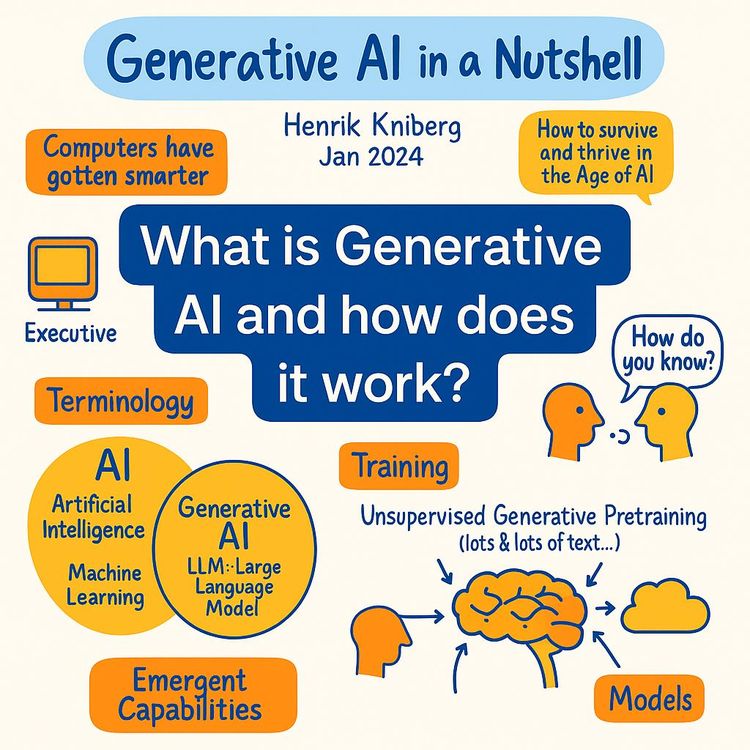
Video Course: What is Generative AI and how does it work?

Video Course: How to Use ChatGPT from Beginner to Professional
Video Course: How to Use Google Gemini for Google Workspace to Boost Productivity

Video Course: How to Use Claude 3.7 AI - Tips for Beginners!
Video Course: ChatGPT for Data Analytics: Full Course - from Beginners to Professional

Video Course: Generating Images and photos With ChatGPT?

Video Course: Generating Images & Photo's with MidJourney

Video Course: Generating Design's with Microsoft Designer and AI

Video Course: Generating Design's with Canva.com and AI
Join 20,000+ Professionals, Using AI to transform their Careers
Join professionals who didn’t just adapt, they thrived. You can too, with AI training designed for your job.