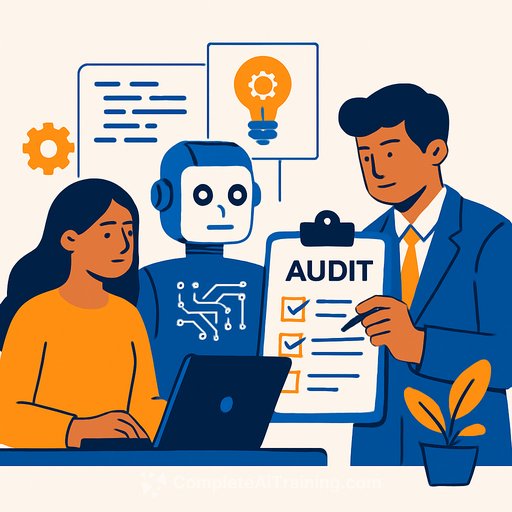
As generative AI tools become a regular part of workplace operations, especially within human resources, conducting a thorough AI audit is essential. Similar to routine evaluations of pay equity and data security, AI audits help identify legal, operational, and reputational risks early. This proactive approach supports the creation of clear AI policies and effective internal training programs.
11 Steps for Performing a Workplace Generative AI Audit
1. Identify a Cross-Functional Audit Team
Start by assembling a team from compliance, HR, IT, legal, and other relevant departments. Diverse perspectives reduce blind spots and prevent conflicting directives. Usually, an in-house counsel, compliance lead, or HR executive guides the audit. Depending on circumstances, engaging outside counsel may protect the audit under attorney-client privilege.
2. Conduct AI Use Mapping
Develop an inventory of all AI tools and providers across the organization. This includes chatbot tools, automated decision-making software, data analytics platforms, and machine learning applications in HR such as candidate screening or employee engagement tools. Establish procedures to update this inventory regularly as new AI solutions are introduced.
3. Identify Relevant Laws and Regulations
Without a single national AI law in the U.S., stay current with federal, state, and local regulations. Examples include New York City’s bias audit requirement for hiring tools and Illinois’s AI disclosure mandates. Categorize AI tools by risk level—high-risk tools impacting hiring or performance need thorough review, while lower-risk tools may require lighter assessment. Prioritize based on data sensitivity as well as function.
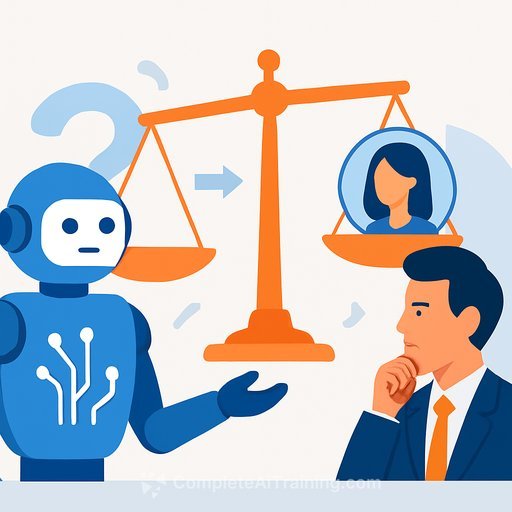
4. Assess Potential Bias
Bias can arise unintentionally due to data imbalances or flawed training. Conduct detailed bias assessments for each AI tool, combining technical reviews with stakeholder interviews. Evaluate training data representativeness and performance across demographic groups. Use de-biasing techniques, model retraining, and human oversight to address any issues found.
5. Maintain Transparency and Documentation
Document data sources, model parameters, and any bias mitigation efforts for internally developed AI. For third-party tools, obtain and retain similar documentation from vendors. This transparency supports compliance, facilitates audits, and prepares the organization for potential regulatory inquiries.
6. Review Vendor Contracts
Examine contracts with AI vendors to ensure they address liability for bias claims, regulatory compliance, indemnification, and data security standards. Legal expertise is often necessary to protect organizational interests effectively.
7. Update Internal AI Use and Governance Policies
Develop or refine policies that define approved AI tools, acceptable uses, cybersecurity measures, and compliance procedures. Clarify ownership of AI governance and establish standards for development, monitoring, and ethical use. Promote a culture of accountability around AI within the organization.
8. Assess and Implement AI Use Training
Provide role-appropriate training to employees interacting with AI tools. Cover topics such as data ethics, privacy, bias recognition, and reporting procedures. Advanced training should be available for HR decision-makers and IT developers to ensure compliance and responsible AI use.
9. Ensure Data Privacy and Security
Implement strong data protection measures throughout the AI lifecycle. Restrict access to sensitive information, use encryption, and prevent unauthorized disclosures. Confirm that vendors uphold equivalent security standards.
10. Provide Disclosures and Notifications
Communicate clearly with employees and applicants when AI significantly influences hiring or employment decisions. Transparency builds trust and reduces concerns about hidden biases. Inform employees about automated tools affecting their work and explain how they can exercise data rights.
11. Establish Ongoing Monitoring and Metrics
Set up continuous monitoring to track AI performance and compliance. Use metrics like bias rates, accuracy, user satisfaction, and incident reports. Create feedback channels for employees to report concerns, with clear processes for investigation and resolution.
Following these steps helps organizations minimize legal risks, protect data, and foster confidence in AI initiatives. Cross-department collaboration and clear policies are key to building an AI environment that is compliant, fair, and effective.
For HR and legal professionals looking to deepen their expertise in AI governance and compliance, exploring specialized training can be invaluable. Consider checking out comprehensive AI courses at Complete AI Training to stay updated on best practices and regulatory requirements.
Your membership also unlocks: