11 Benefits and Use Cases for AI in Inventory Management
Managing inventory today means dealing with complex supply chains and rising customer expectations. Data from sensors, barcode tracking, and external sources like weather reports have turned inventory management into a highly data-driven process. Artificial intelligence (AI) plays a key role in improving accuracy, reducing costs, and optimizing operations.
5 Benefits of AI in Inventory Management
- More Accurate Inventory
Human errors cause issues such as overstocking, understocking, and mismatches between records and actual stock. AI uses real-time data from RFID tags or sensors to detect and correct these errors immediately, maintaining better control over inventory levels. - Cost Reduction
AI-driven stocktaking and predictive analytics help reduce storage costs and minimize deadstock. By identifying bulk purchase opportunities, AI can assist in negotiating better supplier deals, freeing up capital tied in excess inventory. - Improved Demand Forecasting
Machine learning analyzes historical sales, market trends, seasonality, and weather to predict product demand more accurately. These continuously updated forecasts enable smarter purchasing decisions, helping avoid stockouts and excess inventory. - Faster Decision-Making
AI provides granular insights, such as demand spikes by region or city, allowing managers to adjust pricing, promotions, and supply proactively. It also responds quickly to disruptions like supply delays or sudden demand increases. - Waste Reduction
Aligning procurement with demand helps reduce waste, especially for perishable goods. AI can also optimize delivery routes to lower fuel consumption and suggest sustainable packaging improvements, supporting environmental goals.
6 Use Cases for AI in Inventory Management
- Supplier Risk Mitigation
AI analyzes geopolitical events, weather, and supplier performance data to predict risks. It can suggest alternative suppliers or routes, helping maintain supply chain continuity despite disruptions. - Automated Replenishment
When stock falls below set levels, AI triggers automatic purchase orders. Retailers can monitor inventory across stores and warehouses, ensuring high-turnover items are replenished without manual effort. - Batch Tracking and Recall Management
In industries like pharmaceuticals and food, AI tracks batches via serial numbers or RFID tags. This enables quick identification and recall of tainted products, protecting consumer safety. - Warehouse Optimization
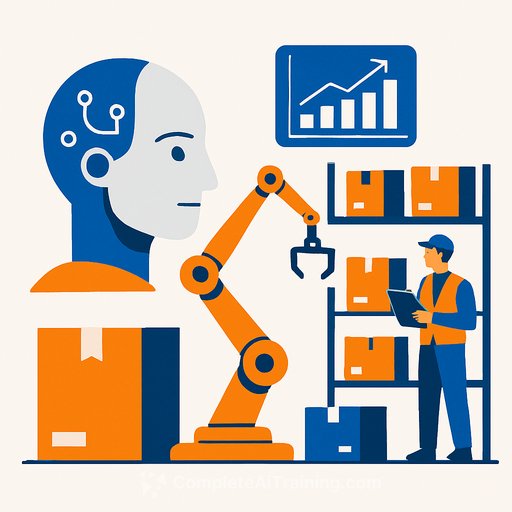
AI powers robots, drones, and computer vision systems to improve picking, packing, and sorting. It also optimizes storage layouts based on turnover and item relationships, making warehouses more efficient. - Dynamic Pricing Adjustments
AI analyzes stock levels, demand changes, and competitor prices to adjust pricing dynamically. It factors in storage and transportation costs to optimize profitability. - Returns Management
AI forecasts return volumes, manages reverse logistics, and helps reintegrate returned goods. It can also detect patterns indicating product quality issues or overselling.
AI's role in inventory management is practical and focused on improving operational efficiency, reducing costs, and enhancing responsiveness. Managers who adopt AI tools can expect clearer insights, better control over stock, and more agile decision-making.
For those interested in exploring AI applications further, Complete AI Training offers courses tailored to different management needs and skill levels.
Your membership also unlocks: