1up Targets RFP Bottleneck With AI-Powered Answer Libraries
1up is positioning its platform as a tool to cut the time sales teams spend responding to RFPs. The company claims its AI-driven answer libraries can reduce response times by as much as 90%.
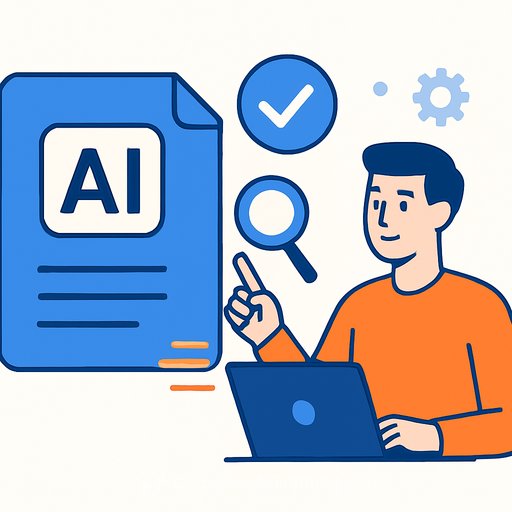
The platform centralizes product documentation, past questionnaires, and compliance content in one place. Sales staff can then use the system to auto-draft responses based on previously approved answers rather than starting from scratch each time.
How It Works
The system operates on three core functions: storing knowledge assets centrally, automatically generating response drafts from high-quality past answers, and learning and improving as teams refine outputs over time.
The practical benefit is straightforward. Faster proposal turnarounds mean sales teams can respond to more opportunities without adding headcount. Consistent messaging across responses reduces the risk of contradictory information reaching prospects. And staff spend less time formatting documents and more time on closing deals.
What This Means for Your Role
If you're in sales, the value proposition is direct: less busywork on RFP responses means more time for actual selling. For organizations evaluating this type of tool, the claim of 90% time savings is worth testing against your own baseline.
The company frames the technology as augmenting teams rather than replacing them. This positioning matters for adoption in regulated industries or organizations hesitant about AI for Sales tools.
The Efficiency Angle
From a Productivity standpoint, the appeal is clear: fewer hours on repetitive document work translates to measurable time savings. Whether those savings actually improve win rates or deal velocity depends on how well the system integrates with your existing workflows and how much your team actually uses it.
The broader pattern here is that sales productivity tools are moving toward automation of the administrative tasks that consume selling time. Whether this particular solution delivers on its claims requires testing with real data from your own team.
Your membership also unlocks: