
AI news ·
A physical therapist makes the case for AI in MSK care - with conditions
AI tools can help in musculoskeletal care, but a clinical navigation director warns they must support-not replace-clinician judgment. Human oversight, bias audits, and clear escalation paths are required for safe deployment.
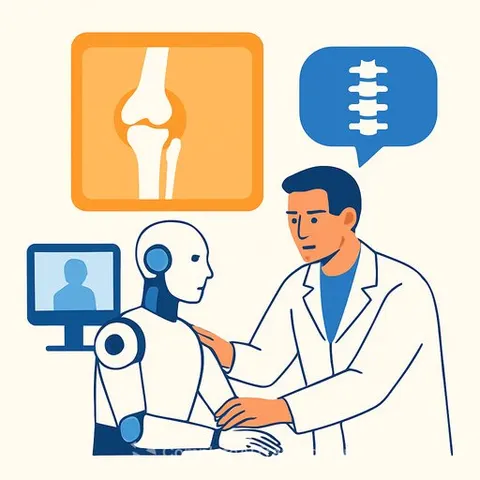
Physical Therapist: AI Works Best When Clinicians Stay in Control
A physical therapist who oversees clinical navigation at a healthcare company said AI tools are useful in musculoskeletal care-but only when human clinicians retain decision-making authority and patients remain central to treatment decisions.
The concern is real. Healthcare systems increasingly deploy new tools framed as efficiency gains or cost cuts, sometimes before clinicians fully understand their impact on patient outcomes. In musculoskeletal (MSK) care, which affects nearly one in two U.S. adults at any given time, rushed adoption of AI could push patients toward low-value interventions or sideline the clinical judgment that complex cases require.
Why MSK care resists automation
Two patients with identical diagnoses often need different treatment paths. One patient's readiness for physical therapy depends on fear, finances, family obligations, and past healthcare experiences-factors that require rapport and clinical judgment to address.
Patients reach the right care too late, after problems escalate. By then, quality of life has already suffered in preventable ways. Trust between clinician and patient cannot be automated. Technology can improve responsiveness and continuity, but high-stakes clinical decisions need human accountability and real-time adaptation to individual circumstances.
Clinicians are stretched thin. Administrative work and documentation pull focus from patients. When professionals cannot operate at the top of their license, burnout and turnover increase while patient interaction becomes less meaningful.
Where AI adds value
AI tools already assist MSK care through motion-tracking platforms, AI-generated clinical documentation, and decision-support systems. The most useful applications work alongside clinician expertise rather than replace it.
Real-time support during patient interactions-identifying coaching opportunities or patterns across conversations-helps clinicians intervene more thoughtfully. AI can reduce administrative burden, freeing mental space for the cognitively demanding work of staying present with someone in pain.
Requirements for responsible deployment
Healthy skepticism should persist even when tools show promise. Responsible AI in healthcare requires:
- Human oversight in initial design, deployment, and ongoing use
- Clear escalation paths when AI recommendations need clinical review
- Regular audits and population-based bias testing
- Privacy protections patients can trust
These safeguards ensure tools support clinical decision-making rather than substitute for it.
Near-term possibilities
AI could predict optimal communication approaches based on individual learning styles and readiness. It might flag patterns clinicians overlook or suggest timing for early intervention before pain becomes chronic and expensive.
The potential exists to change what MSK care feels like-keeping patients engaged in care that fits their lives rather than pushing them through rigid traditional pathways. That outcome depends on responsible design and deployment, with clinicians maintaining control over decisions that shape patient outcomes.
Learn more about AI for Healthcare and how tools can reduce administrative burden through AI Productivity Courses.