
AI news ·
Experts warn AI chatbots are not a reliable substitute for medical diagnosis
AI chatbots can help patients understand conditions and reduce routine questions, but they can't examine patients or catch dangerous drug interactions. Doctors remain essential for diagnosis and treatment decisions.
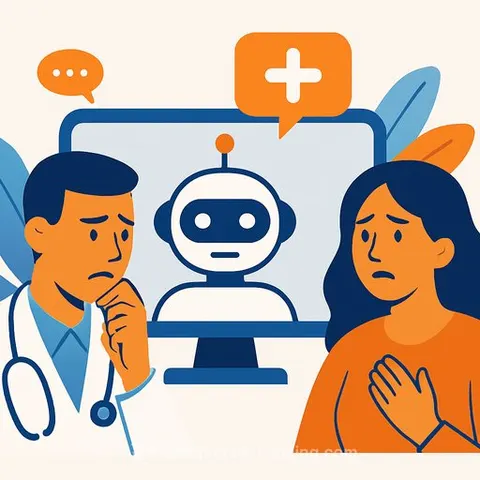
AI Chatbots Can Provide Medical Information, But They're Not a Substitute for Doctors
Healthcare professionals should view AI chatbots like ChatGPT as preliminary information sources, not diagnostic tools. Experts warn that these systems can offer useful background on medical conditions but lack the clinical judgment and patient context that physicians provide.
The distinction matters for your practice. A chatbot can summarize symptoms or explain a condition's basic mechanisms. It cannot examine a patient, order appropriate tests, or account for individual health history and drug interactions.
Where Chatbots Add Value
AI chatbots work well for patient education before or after a clinical visit. They can help patients understand what to expect from a procedure or clarify how a medication works. They may also assist in preliminary triage-helping someone decide whether a symptom warrants urgent care or can wait for a regular appointment.
In your workflow, these tools can reduce routine questions, freeing time for more complex patient interactions. Some practices use them to generate preliminary notes that physicians then review and refine.
The Real Limitations
Chatbots sometimes generate plausible-sounding but incorrect medical information. They may miss rare conditions or fail to recognize dangerous drug combinations. They have no way to assess whether a patient's description of symptoms is complete or accurate.
Patients who rely on AI for diagnosis delay necessary care or pursue inappropriate treatments. Healthcare systems that integrate these tools without clear guardrails create liability and safety risks.
Implementation for Healthcare Teams
If your organization uses AI chatbots, establish clear protocols. Label them as informational only. Train staff on their capabilities and limitations. Ensure human review of any clinical recommendations.
For your own professional development, understanding how these systems work-and where they fail-helps you guide patients and colleagues. AI for Healthcare training programs offer specific instruction on implementing AI safely in clinical settings. ChatGPT Courses & Certifications can help you understand the underlying technology and its constraints.
The bottom line: Chatbots are tools, not replacements. Your clinical expertise remains essential.