
AI news ·
A retiring teacher reflects on how AI is reshaping the classroom and his decision to leave it
Most U.S. school districts still restrict student AI use without teacher approval. Educators worry that AI-driven instruction could erode the personal bonds that make teaching meaningful.
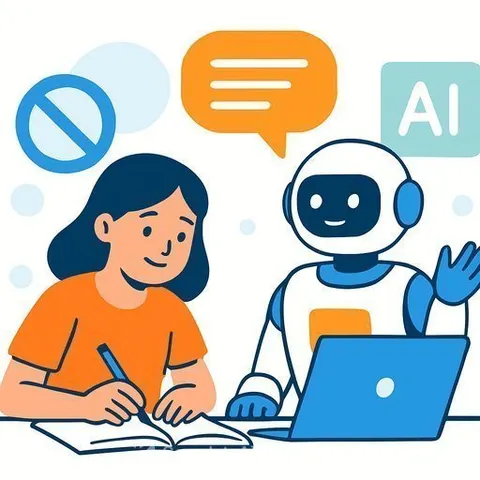
Teachers See AI as Threat to Classroom Connection, Not Just Opportunity
Most public school districts are moving cautiously into artificial intelligence adoption, with many still prohibiting student use without teacher approval. The hesitation reflects deeper concerns about what happens to education when machines replace human instruction.
Michigan school districts offer a snapshot of this gradualist approach. Battle Creek Public Schools generally bars students from using AI without advanced permission. Petoskey has folded AI into its broader technology acceptable use policy to support-not bypass-learning goals. West Ottawa Public Schools stands out by introducing an AI Foundations course for seniors that covers prompt engineering and ethical evaluation.
In classrooms, the picture remains mixed. Students are using AI for homework and assignments, though the extent varies. Some have used it to shortcut essay work and assessments. No detection software reliably catches these uses.
The Shift From Teacher to Manager
The real transformation lies ahead. Instruction will eventually shift from teacher-centered lectures to individualized AI tutors aligned with state standards but customized for each student. Teachers will become managers of student learning plans rather than content experts delivering lessons.
This change is already possible in limited form, but remains too labor-intensive for widespread classroom use. Lecture-based teaching will largely disappear, except for a handful of "super teachers" producing short video content.
What Gets Lost
The concern isn't about technology itself. It's about the human connections that form around shared content. Students visit teachers before and after school to discuss class topics or current events. That informal bond-the "glue" that binds classroom communities-may dissolve when AI handles instruction.
Many educators fear losing something harder to measure than test scores: the relationship between student and teacher that develops through wrestling with ideas together.
Professional development programs are underway across districts to prepare teachers for this shift. But the infrastructure and mindset change required will take time, as change always does in education.
The stakes are clear. AI adoption could improve personalized learning. It could also diminish the human connections that draw many to teaching in the first place. Both possibilities deserve serious consideration as schools move forward.
Learn more: AI for Education and explore the AI Learning Path for Teachers to understand how educators can prepare for these changes.