
AI news ·
Africa risks losing cultural data to AI as Suno valuation hits $5.4bn
Suno, an AI music platform that turns text prompts into songs, hit a $5.4 billion valuation after raising $400 million. African creators risk losing royalties as their music trains foreign AI models without credit or compensation.
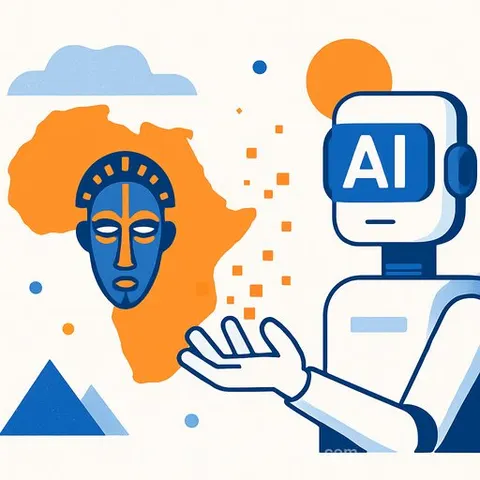
AI Music Platform's $5.4 Billion Valuation Raises Stakes for African Creators
Suno, an AI music platform that generates songs from text prompts, raised over $400 million and reached a $5.4 billion valuation. The company requires no instruments, vocal training, or years of music study from users. That valuation exceeds many established music labels.
The company faces lawsuits from major record labels over claims that copyrighted music trained its models without permission. Courts must decide whether AI companies can use copyrighted works without explicit consent. The outcome will affect music, publishing, film, photography, and journalism.
Africa Absent From the Control Room
Investors now treat AI as core creative infrastructure, not a supporting tool for human creators. Capital flows toward platforms that lower barriers to content creation. Africa has not positioned itself in this conversation.
The legal battle over Suno's training data matters everywhere. If the company wins, fair use arguments gain ground and AI development accelerates. If labels win, AI companies must negotiate licenses and compensate rights holders before building systems.
The Dual Risk and Opportunity
Without proper documentation, licensing, and protection, African music, languages, and cultural expressions become training data for foreign AI models. Creators receive nothing while foreign companies build billion-dollar businesses on African rhythms and sonic innovations.
The other side exists too. AI tools for creatives can help African musicians reach global audiences, produce content faster, and unlock new revenue streams. A musician in Accra could compose, arrange, and distribute a song worldwide in hours instead of months.
Realizing that opportunity requires stronger copyright systems, better metadata, digital rights management, and investment in African-owned creative technologies. Without these, Africa remains a consumer of these platforms, not a builder or beneficiary.
Infrastructure Matters More Than Culture
Africa exports culture globally while ignoring the systems that monetize it. Governments praise "soft power" without funding intellectual property protection. That gap costs creators and countries billions.
Intellectual property is now one of the most valuable economic assets in the digital age. A $5.4 billion company was built around music, creativity, and data. Africa has a richer cultural resource base than most continents yet consistently underestimates its economic value.
The future belongs to those who own platforms, datasets, and technologies that distribute and monetize culture-not just those who create it.
What Comes Next
African governments, investors, and creative industries must move beyond content creation toward ownership, infrastructure, and innovation. Music and culture are not infinite resources requiring no maintenance or protection.
Building or investing in African AI platforms that understand local languages, rhythms, and rights is essential. Generative art and music tools will define the next decade of creative work.
Without action, AI will compose the soundtrack of the future. But the profits will not flow in African languages or currencies. That would represent the largest copyright theft of all.