
AI news ·
AFT calls for screen limits and AI restrictions in elementary schools
The American Federation of Teachers wants screens banned in pre-K through 2nd grade and student-facing AI removed from all elementary schools. The 10-point plan from AFT president Randi Weingarten calls for clearer guardrails, not an outright AI ban.
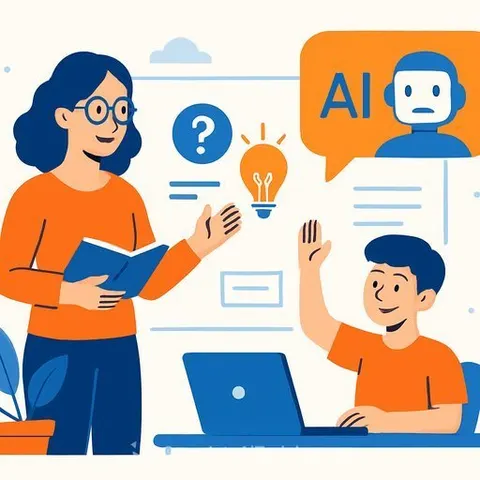
Teachers union calls for screen limits in early grades, end to student AI tools
The American Federation of Teachers is pushing schools to restrict technology in early education, releasing a 10-point action plan that calls for banning screens in pre-K through second grade and eliminating student-facing AI tools in all elementary schools.
AFT president Randi Weingarten said the plan aims to balance technology's benefits against documented harms to student development. "I am not calling for an AI ban or a Chromebook bonfire," she said. "What I'm calling for is getting the balance right to harness the benefits of technology while mitigating the harms."
Weingarten cited concerns that students are losing critical thinking skills. She added that AI is "here to stay," but schools need clearer guardrails around how and when it's used.
What the plan includes
The plan, titled "Devices Down, Eyes Up, Hands-On: 10 Points to Boost Teaching and Learning in the AI Era," calls for establishing new safety and privacy standards for AI in schools. It emphasizes prioritizing student and family well-being over technology adoption.
The proposal echoes policies already in place across the country. Texas public schools have implemented cellphone bans in 1,200 districts, with approaches ranging from locking phones in pouches at the start of the day to requiring devices be powered off during class.
Broader concerns about education policy
Weingarten framed the union's push as part of a larger battle over public education's future. She said the Trump administration is prioritizing Big Tech partnerships and private donors over student outcomes, while focusing on "erasing history, punishing people with student debt, and stripping the Department of Education for parts."
To prepare students for complex problems, Weingarten said schools must teach collaboration and collective problem-solving-skills that require face-to-face interaction rather than screen time.
For educators navigating these shifts, understanding how AI tools work can help inform better policy decisions. Resources like AI for Education and the AI Learning Path for Teachers offer practical frameworks for working with these technologies effectively.