AI Will Shrink White-Collar Demand. HR Needs a New Playbook
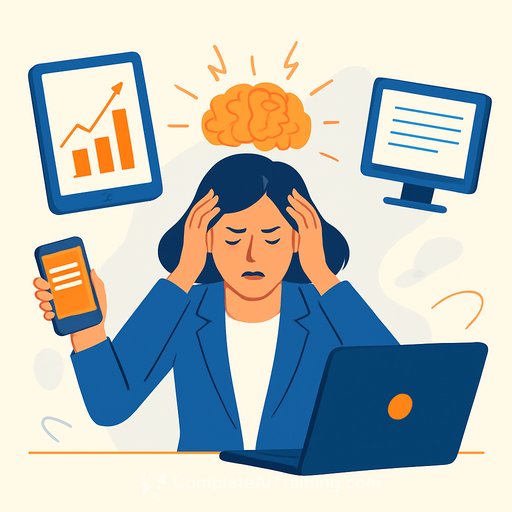
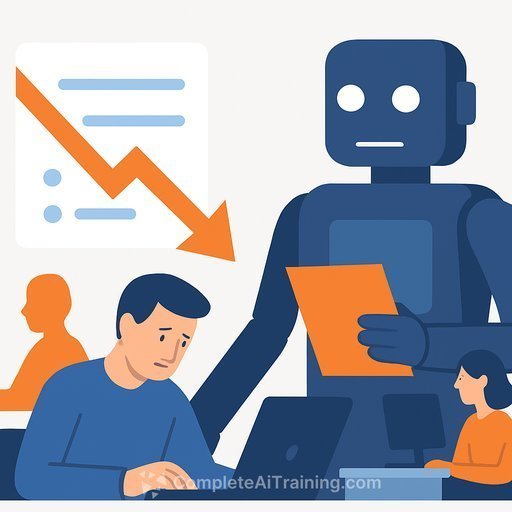
AI isn't just another software upgrade. It's a force multiplier that compresses knowledge work, cuts layers, and centralizes power in a few mega-firms. The blunt take: many professional roles will be done by smaller teams with smarter tools.
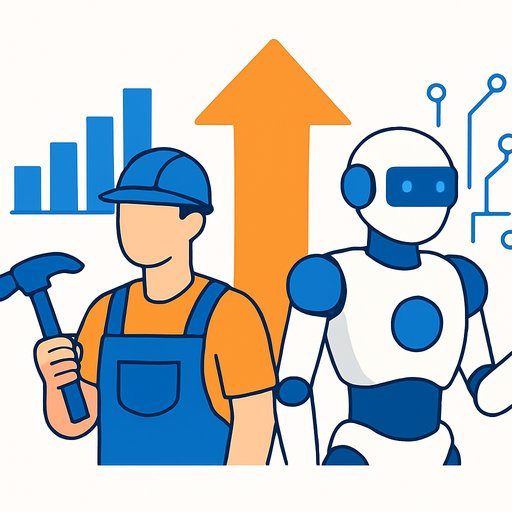
Meanwhile, demand for skilled physical work - the people who build, fix, move, and maintain - is set to rise as data centers, energy projects, and infrastructure scale up. That shift changes hiring plans, compensation models, and career paths. HR leaders who act now will carry the organization through the next decade.
What Gets Automated First Inside HR
AI speeds up repetitive, rules-based, and pattern-recognition tasks. Expect headcount pressure wherever outputs are predictable and data is clean.
- High-volume resume screening, shortlisting, scheduling, and basic candidate outreach
- Policy Q&A, IT/HR help desk triage, and Tier-1 employee relations intake
- Job description drafting, offer letter generation, and routine compliance workflows
- First-pass performance summaries, pulse survey synthesis, and attrition risk flags
- L&D content outlines, micro-assessments, and personalized learning nudges
Translation: fewer coordinators and generalists doing manual admin. More emphasis on system orchestration and judgment.
What Won't Be Replaced Soon
AI is fast. It's not human. The edge for HR is context, trust, and complex problem solving.
- High-stakes employee relations and negotiations
- Org design, change leadership, and culture work that crosses politics and incentives
- Talent strategy tied to real constraints: budgets, capacity, timelines
- Ethics, risk, and the gray areas where policy meets people
Where Demand Grows: Skilled Trades and Physical Work
Data centers don't build themselves. Power grids need upgrades. Facilities, logistics, and field services expand with them. Skilled trades - electricians, HVAC techs, heavy equipment operators, machinists, riggers, mechanics, and industrial maintenance - hold defensible ground.
Even many software tasks compress, but hands-on jobs that blend mobility, dexterity, troubleshooting, and safety are harder to replace. Expect a premium on time-to-fill, apprenticeship pipelines, and retention for these roles.
How This Shifts HR Strategy
- Move from role-based to task-based planning: which tasks get automated, which get augmented, which move to external vendors
- Rebalance hiring portfolios: fewer junior white-collar seats; more skilled technicians, supervisors, and project leads
- Invest in internal mobility: upskill coordinators into AI ops, analytics, and employee experience
- Rework comp: scarce physical skills need market-driven pay, differentiated incentives, and clear progression
- Protect trust: set guardrails for AI use, data privacy, and bias management
A 90-Day Action Plan for HR Leaders
1) Map exposure and redesign work
- Inventory tasks by function; label each as automate, augment, or human-critical
- Pilot AI for three high-volume workflows (e.g., screening, scheduling, policy Q&A)
- Rewrite top 20 job descriptions with task granularity and evidence-based skills
2) Build the trades pipeline
- Forecast headcount for facilities, power, logistics, and field service tied to data center and energy programs
- Set up partnerships with trade schools, unions, military transitions, and regional workforce boards
- Stand up paid apprenticeships and "earn-and-learn" tracks with clear progression frameworks
3) Upskill and redeploy
- Reskill HR coordinators into AI workflow ops, prompt craftsmanship, and tool governance
- Launch manager training on AI-assisted decision making and bias controls
- Create a redeployment playbook: selection, training hours, certification, and success milestones
4) Put governance in writing
- Approve an AI acceptable-use policy, data handling rules, and human-in-the-loop checkpoints
- Require vendor model disclosures, audit logs, and bias testing before rollout
Hiring for the Trades Wave
- Use skills-based screening: verifiable certifications, work samples, and hands-on assessments
- Shorten time-to-offer: dedicated schedulers, on-site decisions, and pre-arranged contingencies
- Offer retention magnets: tool stipends, shift flexibility, paid upskilling, safety bonuses
- Promote supervisors from within: build foreman/lead tech academies focused on safety, planning, and people management
Protect Your Workforce From AI Side Effects
AI will flood channels with convincing fakes. That erodes trust and can spark workplace conflict. Even a simple policy needs clarity on content verification and escalation paths.
- Train comms and HRBPs on misinformation spotting and response
- Require disclosure on AI-generated materials in hiring, performance, and L&D
- Keep a human decision maker for promotions, terminations, and investigations
Public concern is real; most people feel more worried than excited about AI's impact. That anxiety shows up at work, so name it and address it with facts and options.
Pew Research: Americans' concern about AI and jobs
Yes, Productivity May Jump - But Headcount Won't
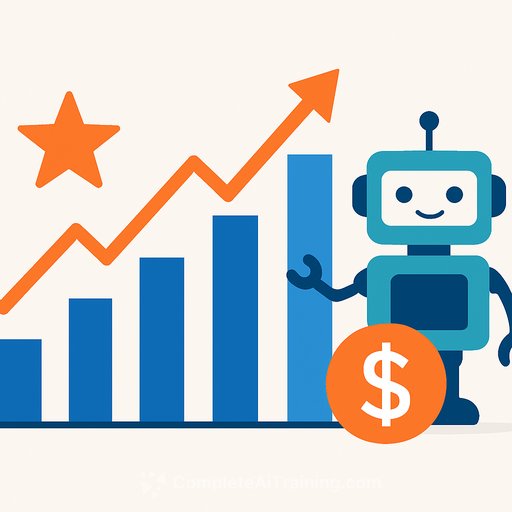
Expect higher output without proportional hiring. Leaders will try to bank efficiency and hold the line on costs. Plan for fewer generalists and more specialists who can manage systems and coach people.
Some economists expect a productivity bump from AI. If it arrives, HR's job is to turn that into sustainable work, fair pay, and real development - not burnout.
Brookings: AI and long-run productivity
Metrics to Track Now
- Task-level time saved vs. error rate after AI deployment
- Internal redeployment rate and time-to-productivity for reskilled employees
- Time-to-fill and first-year retention for priority trades roles
- Audit findings: bias, data leakage incidents, and human-override frequency
- Training hours per employee in AI tools, safety, and supervisory skills
Practical Upskilling for HR
Don't "learn to code" for its own sake. Learn to design workflows, evaluate vendors, write precise prompts, and measure outcomes. Build a small center of excellence that others can borrow from.
AI Learning Path for HR Managers can help you set standards, pick tools, and upskill your team with a structured path.
Want ongoing ideas on recruiting automation, people analytics, and policy guardrails? Scan the latest posts under AI for Human Resources and adapt what fits your context.
Bottom Line
AI compresses white-collar demand and pushes value to judgment, leadership, and skilled hands. HR's leverage is to redesign work, rebalance hiring, and protect trust while everyone else chases buzzwords.
Move fast, measure honestly, and keep a human in the loop. That's how you keep your people - and your org - employable.
Your membership also unlocks: