Why Agentic AI Matters for HR and Organisational Success
Most organisations are still scratching the surface when it comes to artificial intelligence (AI). According to a recent IBM report, only 23% of business leaders say their company uses AI to rethink their business model. Even fewer—just 22%—use AI as a core driver for product innovation or to transform workflows end-to-end.
AI’s real strength isn’t in making small improvements to existing processes. Instead, it lies in enabling completely new ways to create and deliver value. Many organisations are missing out by treating AI as just another tool rather than reimagining how work gets done.
Agentic AI: The Next Step for HR and Core Processes
Agentic AI—AI systems that can operate autonomously and adapt to changing conditions—are gaining ground. Business leaders expect AI-powered workflows to jump from 3% today to 25% by 2025. Furthermore, 70% of executives say agentic AI is vital to their organisation’s future, with most viewing it as market-ready and encouraging experimentation.
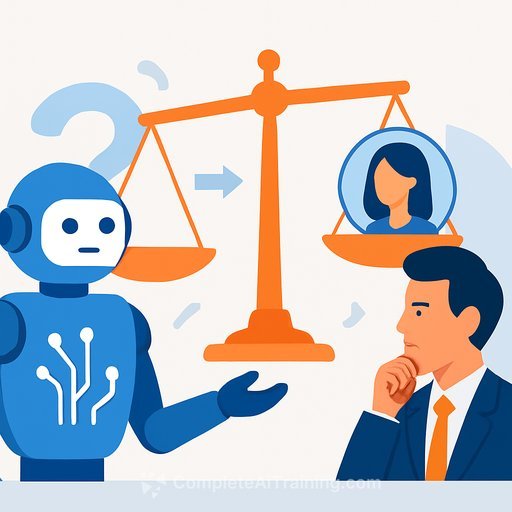
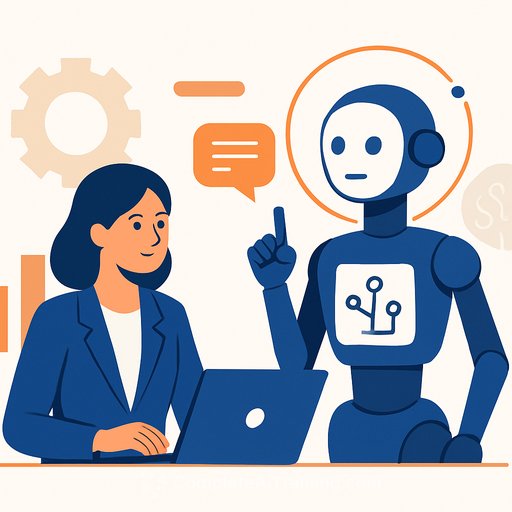
In human resources, agentic AI can improve practices by enhancing decision-making and automating routine tasks, rather than replacing HR professionals. This was highlighted at HR FutureFest, where the focus was on AI as a tool to support, not substitute, human expertise.
Top Benefits Driving Agentic AI Adoption
- Improved decision-making: 69% of executives say this is the biggest benefit.
- Cost reduction through automation: Cited by 67% as a key advantage.
- Competitive advantage: Nearly half (47%) see this as a major benefit.
- Scaled employee experience: Recognised by 44% of respondents.
- Better talent retention: 42% believe AI helps keep employees engaged.
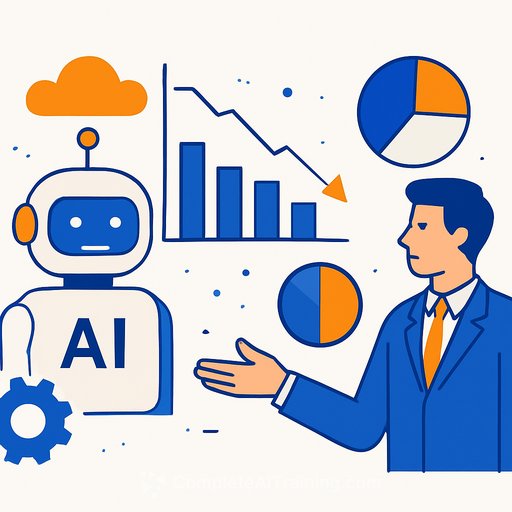
By 2026, 83% of executives expect AI agents to boost process efficiency and output. Meanwhile, 71% believe these agents will autonomously adjust to workflow changes, enabling smoother operations across functions.
What It Takes to Realise Agentic AI’s Potential
Simply plugging AI into existing workflows won’t cut it. Organisations need to redesign how processes are carried out, rethink user experiences, and integrate AI agents end-to-end with relevant data for context and memory. This approach creates smarter, more responsive systems that add real business value.
Francesco Brenna, VP & senior partner at IBM Consulting, says, “More clients see agentic AI as the key to surpassing incremental productivity gains, especially in core areas like supply chain and HR.”
Challenges in Preparing Teams for AI Transformation
Despite the promise, only 10% of companies worldwide are “future-ready” with structured plans to support workers and build AI-related skills. Resistance to AI remains strong among many employees, with some CEOs reporting open hostility.
Dan Shapero, COO of LinkedIn, points out that 2025 will be a critical year for organisations to embed AI into operations effectively. Leadership will need to manage change proactively by aligning AI initiatives with company goals, building team confidence, and clearly communicating shifts in responsibilities.
While 89% of Canadian business leaders invest in upskilling employees, more than half acknowledge they don’t provide enough training opportunities, according to a KPMG study. For HR professionals, this gap highlights the urgent need to focus on learning and development strategies that support AI adoption.
Final Thoughts for HR Professionals
Agentic AI offers practical benefits that directly impact HR functions—from decision-making to talent retention. However, success depends on how well organisations prepare their people and redesign workflows to take full advantage of AI capabilities.
For HR teams looking to build skills and get hands-on with AI tools, exploring targeted training can be a great starting point. Resources like Complete AI Training’s courses for HR professionals offer practical guidance to get ahead in this evolving space.
Your membership also unlocks: