
AI news ·
AI adoption in HR outpaces company risk controls as employer liability questions remain unresolved
HR departments are deploying AI for hiring and performance reviews faster than regulations can keep up, leaving employers legally exposed. Companies remain liable for discrimination or wage violations their AI tools cause, regardless of intent.
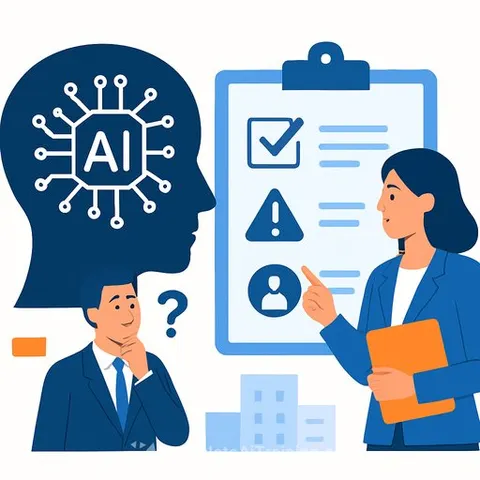
HR Departments Racing to Keep Up as AI Outpaces Legal Safeguards
AI adoption in human resources is moving faster than companies can build the processes to manage its risks. Employers face a patchwork of state regulations and unclear federal liability rules, leaving them exposed to legal consequences for how these tools operate.
The problem is structural. HR teams are deploying AI for hiring, performance reviews, and workforce analytics while regulators are still drafting rules. State laws already in effect differ from one another, and proposed federal policies remain unresolved.
Employers will likely remain on the hook for how these tools are used, said Niloy Ray, co-chair of Littler Mendelson's AI and Technology Practice Group. That liability extends to discrimination claims, wage violations, and other employment law violations the AI system might cause or amplify.
What HR Leaders Need to Do Now
The gap between deployment speed and governance creates real compliance risk. An AI hiring tool that screens out protected classes can expose a company to litigation regardless of intent. A performance management system trained on biased historical data can perpetuate pay inequities.
HR departments should establish oversight before rolling out AI systems, not after. This means auditing tools for bias, documenting how algorithms make decisions, and ensuring human review of high-stakes outcomes.
Understanding AI's role in your specific HR processes is essential. HR leaders managing these decisions benefit from learning how AI systems work, where risks concentrate, and what governance looks like in practice.
For HR executives overseeing AI strategy across the organization, the stakes are particularly high. An AI Learning Path for CHROs covers implementation strategy, workforce analytics, and managing AI-related risks and compliance issues. General knowledge of AI for Human Resources also helps HR teams understand how these tools function in recruitment, talent management, and other core processes.
The regulatory environment will continue shifting. Until it stabilizes, companies that build governance structures early will be better positioned than those waiting for rules to clarify.