The Future of AI in Business
We stand at a crucial point in artificial intelligence (AI) adoption. Businesses are increasingly aware of AI's potential to transform operations and strategies. In the Philippines, 75% of CEOs are confident about integrating AI into their business models. Globally, 84% of CIOs see AI as equally important as the internet once was. Yet, only 11% have fully implemented AI, highlighting the challenges that remain.
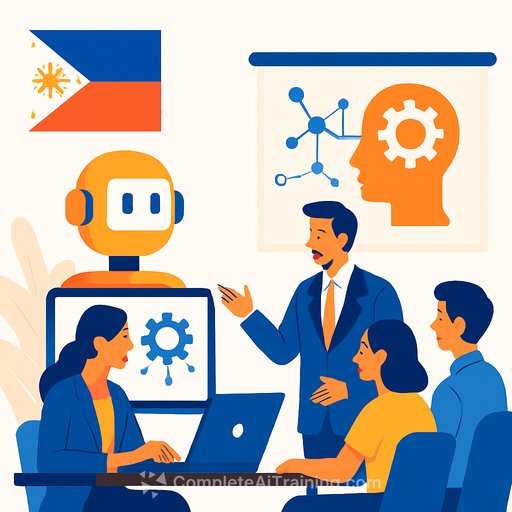
A major hurdle in the Philippines is the skills gap. The World Economic Forum predicts that 68% of Filipino workers will need to reskill by 2030 to keep pace with changing job demands. This places CIOs in a pivotal role—not just choosing technologies, but also steering workforce transformation to scale AI effectively. With many AI solutions offering flashy demos but unclear benefits, CIOs must focus on tools that deliver clear improvements in quality and productivity.
Five Pillars for AI Success in Business
Develop a Strategic and Integrated AI Approach
Instead of isolated AI projects, CIOs should look for common processes across the organization to optimize at scale. AI must be viewed as an integrated intelligence layer rather than a standalone tool. Cultivating a culture of experimentation helps build broad acceptance. A unified platform for developing and deploying AI agents can enhance operations, reduce security risks, and lower costs.
Establish a Foundation
The impact of AI depends on the quality and accessibility of data. Successful AI initiatives start with connecting business data and metadata to provide context for AI agents. Data standardization is essential. CIOs should lead efforts to clean, unify, and modernize data infrastructure, breaking down silos. Strong data governance not only supports AI but also uncovers insights from existing data archives.
Ensuring Responsible, Trustworthy AI
Trust is critical across all industries—from finance and healthcare to retail and manufacturing. CIOs must ensure AI meets compliance and ethical standards. This starts with transparency (tracking AI actions), explainability (understanding AI decisions), and control (knowing how to respond). Responsible AI respects data privacy, security, and intellectual property.
Aligning AI with Business Goals, Demonstrating Value
Technical skills alone won’t guarantee success. AI projects must align with business objectives such as growth, efficiency, and improved customer and employee experiences. CIOs should communicate AI’s role clearly, showing how automation reduces repetitive work and enhances job satisfaction. Demonstrating measurable outcomes helps position AI as a strategic asset.
Manage the Human Element of AI Adoption
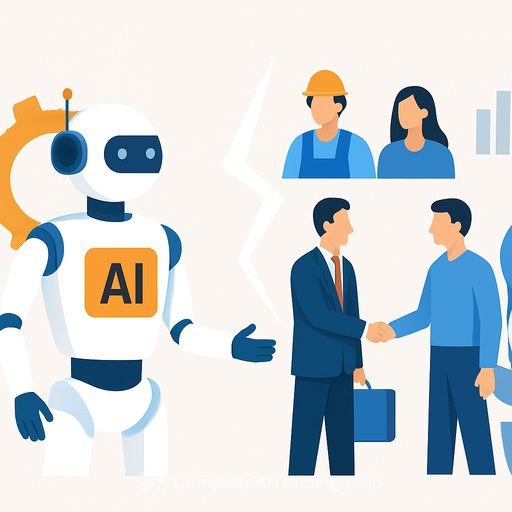
CIOs also need to address cultural resistance and drive innovation. Concerns about job displacement can be eased by explaining how AI augments human roles, freeing people for more strategic and creative work. Identifying internal champions can encourage adoption, especially in the Philippines, where personal relationships influence change. Continuous reskilling should be part of workforce planning, focusing on AI literacy and essential human skills like adaptability and collaboration.
Sharing early wins, such as improved customer service metrics, builds confidence. Incentives and gamification can motivate teams to embrace AI tools.
Embracing AI-Human Collaboration for Long-Term Success
As the Philippines grows as a digital economy, CIOs must take a strategic, integrated, and people-centered approach to AI. Combining AI with data and automation while fostering collaboration between AI and human intelligence will drive innovation and efficiency. This approach can strengthen the country’s position as a regional digital hub and advance its economic development.
For executives looking to deepen their understanding of AI and its business applications, exploring targeted learning resources can be valuable. Platforms like Complete AI Training offer courses designed to build practical skills in AI adoption and strategy.
Your membership also unlocks: