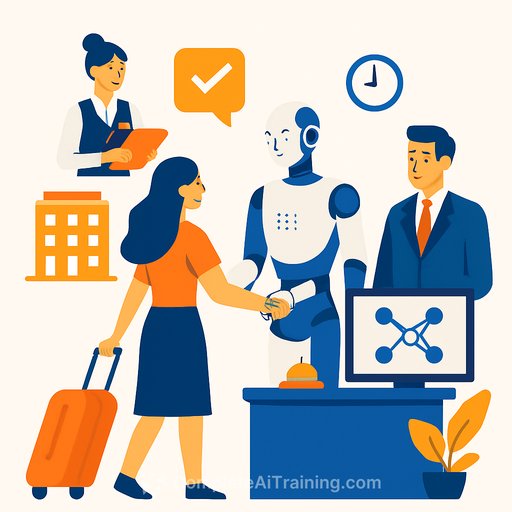
The Synergy Between AI and Humans for Unmatched Hotel Experiences
The hospitality industry thrives on human connection—understanding guests, anticipating their needs, and delivering memorable stays. Now, a new partnership is emerging: Artificial Intelligence (AI) working alongside people to enhance these very experiences. AI is empowering hoteliers by streamlining operations and improving guest interactions in ways previously unavailable. This collaboration is happening today, blending technology and human expertise to shape the future of hospitality.
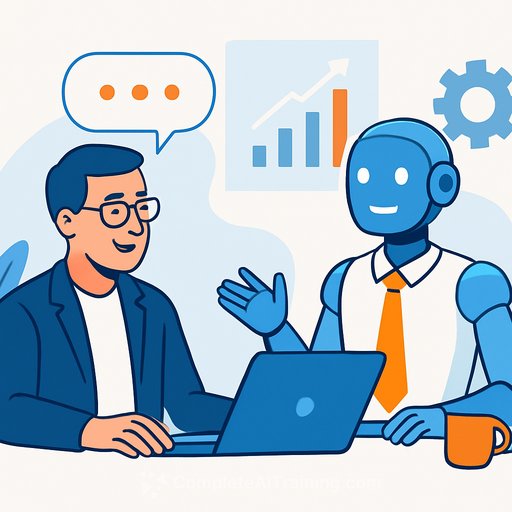
AI isn’t here to replace the human touch; it’s here to support it. When combined thoughtfully, AI and humans can create seamless, efficient, and personalized experiences. The challenge lies in embracing this partnership fully and learning how to maximize its benefits.
1. AI as a Partner, Not a Replacement
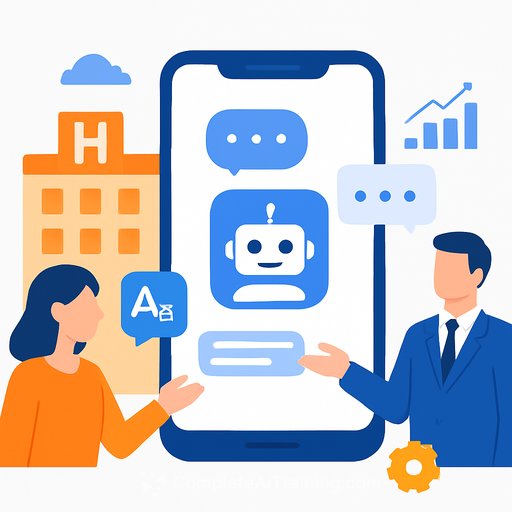
AI tools are already present in many hotels, from chatbots answering guest questions to predictive systems managing bookings. Their greatest value emerges when they assist staff rather than replace them. AI automates repetitive tasks, manages large datasets, and uncovers insights beyond human reach.
By handling routine work, AI frees hotel staff to focus on interactions that require empathy, creativity, and intuition—qualities only humans bring. This means stronger guest relationships and better problem-solving. Viewing AI as a collaborator allows hotels to improve efficiency while maintaining authentic service.
2. Training Staff to Bridge the AI Gap
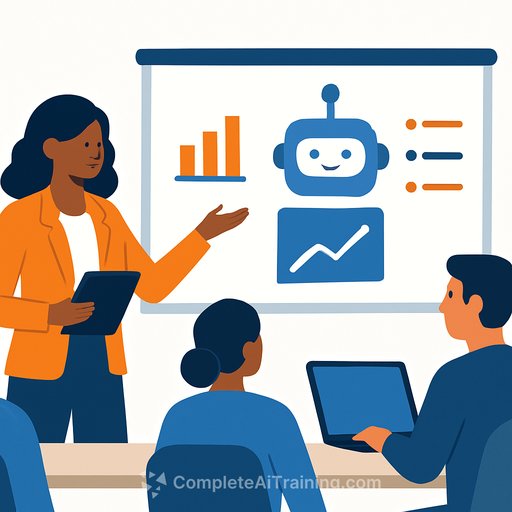
Effective AI adoption depends on staff understanding and confidence. Many hospitality workers excel in service but may find technology intimidating. Training programs must make AI tools accessible and relatable, integrating them into daily workflows without adding complexity.
For example, front desk teams can use AI-driven chatbots to handle common inquiries, freeing themselves to offer personalized care. Housekeeping can benefit from AI schedules that optimize cleaning routes, reducing downtime and improving room readiness.
Investing in education helps employees see AI as a helpful assistant, not a threat. A workforce skilled in both technology and emotional intelligence creates a stronger, more adaptable hotel operation. For those interested in learning more about AI skills, resources like Complete AI Training offer courses tailored to various roles.
3. Enhancing Guest Experience Through Collaboration
AI can analyze guest data—booking history, preferences, behaviors—to provide insights that help staff customize each stay. Imagine a concierge using AI to suggest activities based on a guest’s interests combined with current local events or weather conditions.
While AI offers data-driven recommendations, it’s the human touch that adds warmth and creativity. Staff might suggest a local hidden gem or add a personal note that makes the experience unique. This combination ensures guest interactions are efficient, personal, and memorable.
4. Streamlining Operations with AI
Beyond guest services, AI improves the operational side of hotels. It can predict demand, optimize pricing dynamically, and allocate resources efficiently. Automated check-in processes, smart housekeeping schedules, and inventory management reduce administrative workload.
This shift allows managers and staff to focus less on paperwork and more on delivering exceptional service or innovating guest experiences. AI quietly improves hotel functions, supporting staff without disrupting their work.
5. The Importance of Human Emotional Intelligence
Despite advances, AI lacks the emotional intelligence vital to hospitality. The genuine smile, empathetic listening, and warm tone from staff make guests feel truly welcome. These moments can’t be programmed or automated.
AI provides structure and insights, but humans bring soul and creativity. This partnership combines efficiency with emotional resonance, creating experiences that leave lasting impressions. Successful hotels recognize that AI supports staff—it does not replace the human element.
6. Creating a Culture Open to AI Collaboration
Resistance to AI often arises from fear—concerns about job security or added complexity. Overcoming these fears requires clear communication and leadership that models openness to change.
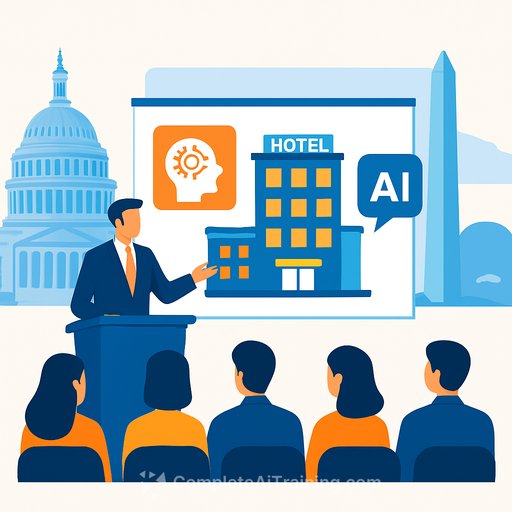
Hotel executives should highlight how AI benefits both guests and employees, providing training and inviting feedback. When staff participate in AI integration, they feel ownership and confidence. This inclusive approach fosters a positive environment where technology supports, not threatens, the team.
7. Looking Ahead: Ongoing Collaboration
The partnership between AI and humans will deepen as tools improve. Hotels will need continuous training and innovation to fully integrate AI into operations and guest services. Success hinges on maintaining a mindset where both AI and human skills are valued equally.
By working together, AI and humans can create hospitality experiences that are efficient, personalized, and emotionally engaging.
Conclusion: Building the Future of Hospitality Together
AI is already shaping the hospitality industry, but its true potential lies in collaboration with people. Hotels that embrace this approach can boost efficiency while enhancing the warmth and authenticity guests expect.
Through education, open communication, and practical implementation, AI and humans can complement each other’s strengths. This partnership promises a future where hospitality is both smart and deeply human—delivering exceptional experiences for guests and rewarding roles for staff.
Your membership also unlocks: