AI and the Future of Work: Lessons From the Past
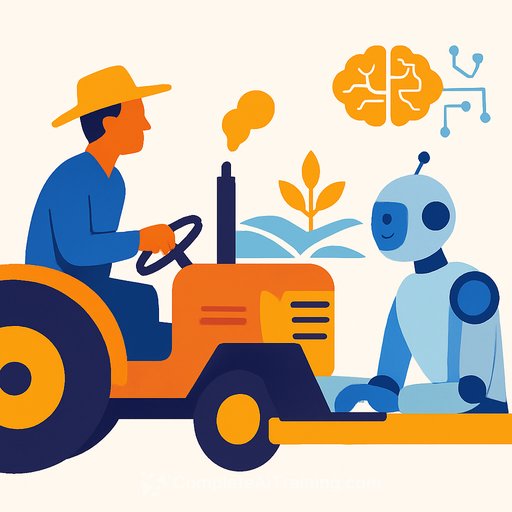
Concerns about AI replacing jobs are understandable, but history shows us a more balanced story. Over 150 years ago, the introduction of the tractor sparked similar fears in the farming community. People worried that machines would take away their work. While some roles did disappear, new opportunities emerged, and workers took on more meaningful tasks that improved overall quality of life.
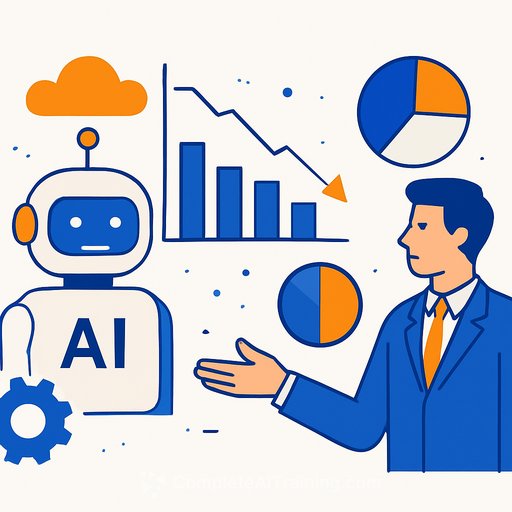
Today, AI is triggering a comparable shift. Unlike the tractor, AI’s inner workings can be complex and sometimes unpredictable, making it harder for people to fully grasp or control. Still, just like farms needed people to operate, businesses will continue to depend on human expertise. Some jobs will change or disappear, but new roles will also be created.
The Role of HR in Managing Change
Human Resources teams hold a key responsibility during this transition. Applying clear change management principles—especially transparency and open communication—helps build trust. When employees understand why AI is being adopted, the benefits it brings, and the future vision, they’re more likely to support the change.
It’s also crucial to identify which roles will evolve after AI implementation. Offering career development paths, investing in upskilling, and supporting training programs ensures employees can grow alongside new technology rather than be left behind.
Opportunities AI Brings to Work
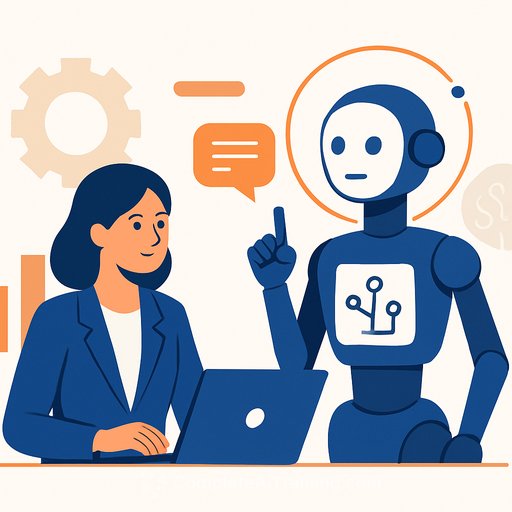
AI has the potential to improve employee engagement and address long-standing productivity challenges. By automating repetitive tasks, AI can free people to focus on work that requires creativity and critical thinking. This shift could make concepts like a four-day workweek more achievable and help people build more fulfilling careers that emphasize their unique skills.
Complying with New Regulations
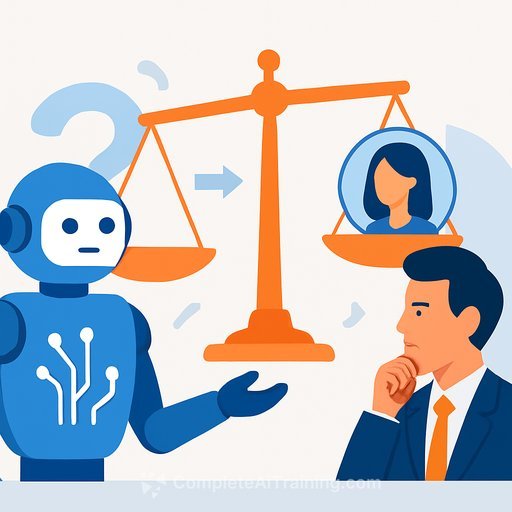
It’s essential to approach AI adoption carefully, especially in HR. The new EU AI Act, which came into effect this year, imposes strict rules on transparency, fairness, bias mitigation, documentation, and human oversight. This legislation applies not only to companies within the EU but also to those with EU subsidiaries or those using third-party AI HR tools in the EU market.
Many AI-driven HR tools—such as CV-screening algorithms, employee sentiment analysis, and generative AI for learning and development—are classified as high-risk under this law. Meeting these obligations shows a commitment to ethical and transparent AI use, which builds confidence among employees and external stakeholders.
Preparing for AI in HR
- Communicate openly about AI adoption and its impact on roles
- Develop clear career pathways and invest in upskilling
- Ensure compliance with relevant AI regulations like the EU AI Act
- Maintain human oversight to prevent bias and maintain fairness
For HR professionals looking to expand their AI knowledge and skills, exploring targeted courses can provide practical insights on implementing AI responsibly. Resources such as Complete AI Training’s HR-focused courses offer valuable guidance.
History teaches us that while technology changes the nature of work, it also opens doors to new possibilities. Thoughtful management and ethical AI adoption can help HR professionals lead their organizations through this next chapter confidently.
Your membership also unlocks: