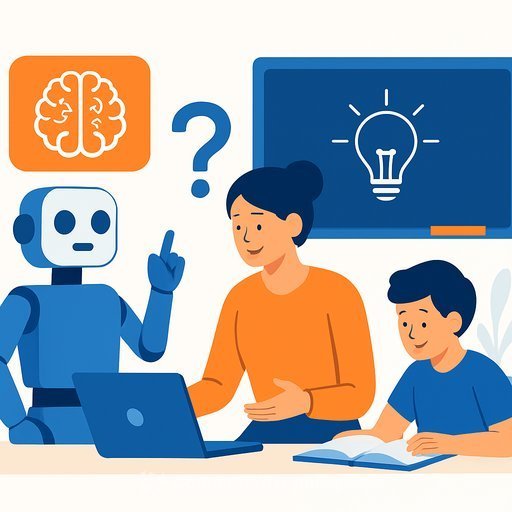
Artificial Intelligence and the Evolving Role of Teachers
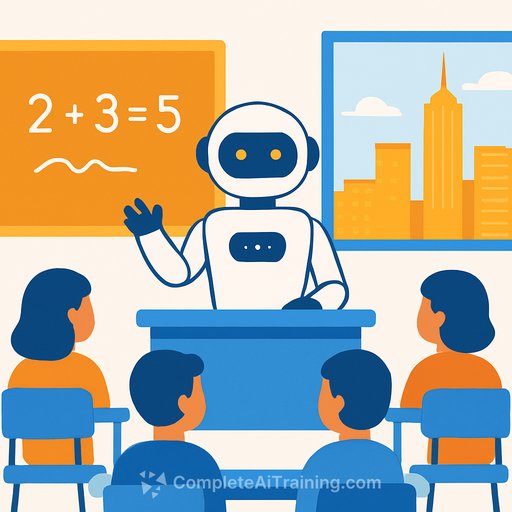
AI is changing how classrooms work across India. The push after the pandemic and the goals of NEP 2020 moved digital learning from an option to a core part of instruction. For regions like Jammu and Kashmir, where weather, connectivity, and interruptions are common, AI-backed systems help keep learning on track and more equitable.
The value is simple: AI reads patterns in student performance at a scale a single teacher can't match in a 30-60 student class. It spots gaps, strengths, and pace. Then it serves the right content at the right time, while taking over repetitive tasks that steal teaching time.
What AI Does Well
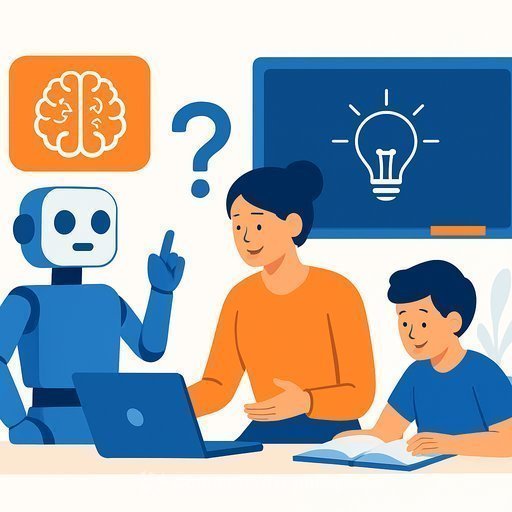
AI can analyse large sets of student work, detect where a concept is breaking down, and recommend next steps. It supports personalised paths without adding hours to a teacher's workload. It also speeds up feedback loops, so students adjust sooner and teachers focus on what truly needs their attention.
In districts with uneven connectivity, low-bandwidth tools and offline sync let students continue learning. That's been especially helpful in parts of Jammu and Kashmir when classrooms are disrupted.
What Only Teachers Do
Let's be honest: no tool replaces empathy, judgment, or the ability to read a room. Teachers mentor, model ethics, calm anxiety, and build confidence. These human elements make academic growth stick. AI can inform; teachers give it meaning.
The Partnership in Practice
Across schools and colleges, hybrid teaching is settling in. Teachers use AI for assessments, practice, and diagnostics, then step in to coach, interpret, and extend learning. In Jammu and Kashmir, virtual classes and AI-enabled assignments are helping maintain continuity and keep students aligned with national standards even when school days are lost.
How the Teacher Role Is Changing
The job is wider than content delivery. It's about Design, competency development, and responsible tech use. Here's where the work is moving:
- Design personalised learning plans: Use AI insights to set flexible paths that fit student aptitude and goals. This fits the intent of NEP 2020: competency-driven growth, not one-size-fits-all pacing.
- Track skills and fluencies: Move past rote recall. Monitor problem-solving, communication, collaboration, and analytical thinking. Let AI flag trends; you coach application.
- Evaluate edtech: Not every app is effective or safe. Check pedagogy, privacy, age-appropriateness, and bandwidth needs-crucial where internet is inconsistent.
- Mentor digital presence: Guide students in building a credible online identity, finding mentors, and joining communities that open doors beyond local limits.
- Guide digital citizenship: Teach source evaluation, privacy, bias awareness, and constructive online behavior. Misinformation and cyberbullying can undo months of progress if left unaddressed.
- Use portfolios for assessment: Supervise living records of work that show growth, creativity, and outcomes over time. AI can organise evidence; teachers interpret it.
- Teach sustainability: Integrate environmental literacy and practical habits-especially relevant in ecologically sensitive regions like Jammu and Kashmir.
Practical Steps You Can Use This Term
- Start small: Pick one workflow to improve-quizzes, reading feedback, or concept checks. Prove value, then expand.
- Set classroom guardrails for AI: Define when students may use AI, what counts as original work, and how to cite AI assistance.
- Adopt low-lift tools: Use AI item banks, automated hints, or rubric-based feedback that plug into existing LMS workflows.
- Run short data huddles: Every week, review AI dashboards for 10 minutes. Adjust groups, revisit target skills, and assign interventions.
- Portfolio-first grading: Collect artifacts-drafts, reflections, code, labs, projects-and weigh growth over one-off test scores.
- Plan for outages: Keep printable tasks and offline content cached on student devices. Sync when connectivity returns.
- Build career pathways: Help students join subject forums, publish small projects, and connect with mentors beyond school walls.
- Invest in your team's upskilling: Short, focused training compounds fast. Curate a list of tools and share wins with colleagues. For structured options, see AI courses by job. Staff designing interfaces may also follow the AI Learning Path for User Experience Designers.
Guardrails That Protect Learning
- Privacy first: Check data policies and disable unnecessary tracking. Get consent where required.
- Bias checks: Review AI suggestions for fairness. Adjust prompts, rubrics, or datasets as needed.
- Transparency with students: Explain how AI is used and how it affects feedback or grading.
- Equity in access: Choose tools that work on low bandwidth and older devices. Provide alternatives when tech fails.
The Bottom Line
AI delivers efficiency, insight, and personalisation at scale. Teachers deliver judgment, care, and purpose. The schools that win will let each do what it does best-and make that partnership visible in daily practice.
The classroom won't be run by machines. It will be enriched by them and guided by teachers who keep learning human, rigorous, and resilient.
Your membership also unlocks: