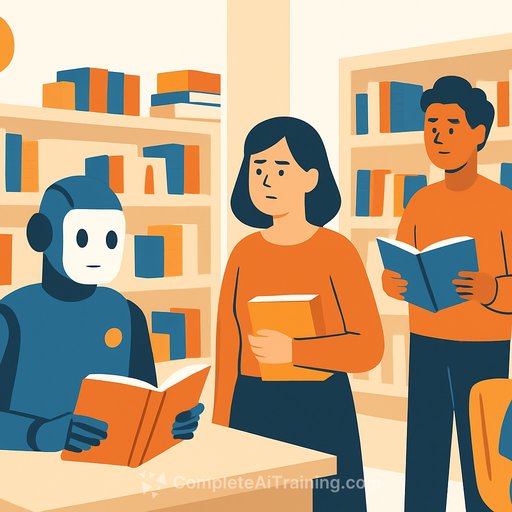
AI-Authored Books: Are They Heading to Your Local Library?
Artificial intelligence-written books have started appearing in some libraries, sparking debate about their place on shelves. Several New Zealand libraries, including Auckland, Tauranga, New Plymouth, and others, currently avoid purchasing AI-generated books. Yet, some AI-authored titles have slipped in unintentionally, and many libraries remain open to stocking them in the future if there’s clear demand.
Hamilton City Libraries stands out by having a firm policy: they only accept books written by humans and actively seek refunds for AI-generated content from suppliers.
Library Leaders Weigh In
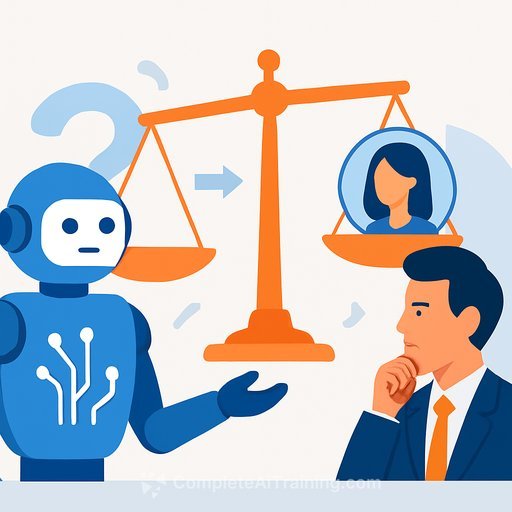
Christchurch City Libraries Head Carolyn Robertson said AI books might be considered if readers show interest, such as through trends on BookTok, a popular TikTok reading community. However, she emphasized the need for clear identification of AI-authored books and high-quality standards. “Often this content has not gone through an editorial process to refine content, check facts, or provide a balance when offering different points of view,” she explained.
Auckland Libraries Head Catherine Leonard echoed this cautious approach. She noted that AI books would be reviewed based on customer demand but many currently fall short on quality. “Reading and writing is about humans communicating. A book should feel like a human wrote it, to communicate something to human readers,” Leonard said.
Wellington City Libraries Manager Laurinda Thomas shared that their policy prioritizes human-written and reviewed work. The library carefully researches authors before purchasing and plans to revisit their AI policy later this year.
Hamilton City Libraries Director Paula Murdoch confirmed their decision not to acquire AI-generated material and that suppliers have been instructed accordingly. So far, staff have not found substantially AI-generated content in their collections.
Tauranga City Libraries Manager Joanna Thomas pointed out that despite efforts to verify authorship, some AI works have found their way into digital platforms accessible through libraries. They have acted by working with vendors to block AI-generated titles.
Where Libraries Stand on AI-Generated Books
- Auckland: Considers self-published and AI-generated titles only based on customer demand and quality assessment.
- Hamilton: Does not acquire or include substantially AI-generated material and requests refunds if AI content is identified.
- Tauranga: Avoids purchasing AI content and automatically generated titles from sources like Wikipedia where possible.
- New Plymouth: Believes no AI-generated works are currently in their print collection.
- Palmerston North: Has no formal policy against AI content but generally does not select AI-generated books.
- Porirua: Does not knowingly have AI-authored works and would identify them if acquired.
- Lower Hutt: Does not currently carry AI books but remains open to cataloguing standards if that changes.
- Wellington: Strongly prioritizes human-written and reviewed works.
- Nelson: Unaware of AI-generated works in collections and contacts vendors to avoid future purchases of such titles.
- Christchurch: Does not knowingly hold AI-generated books but may consider them if quality and demand justify it, with clear identification.
- Dunedin: Avoids purchasing AI-generated materials where possible.
- Invercargill: Finds AI-generated works typically do not meet quality standards for purchase.
What This Means for Writers and HR Professionals
The cautious approach many libraries take signals the importance they place on authenticity, quality, and human connection in literature. For writers, this means that while AI can assist in content creation, the value of human insight, editorial review, and storytelling remains critical.
Human Resources teams involved in training and development should note that AI-generated content is still under scrutiny in many public sectors. If your organization includes AI in its workflows, understanding how this technology intersects with content quality and ethical considerations is essential.
For those interested in expanding their skills with AI tools and understanding their impact on writing and communication, exploring targeted AI courses can be beneficial. Resources like Complete AI Training's AI books and courses offer practical guidance on navigating AI in content creation.
As AI-generated books become more prevalent, libraries serve as a frontline filter, balancing innovation with standards that protect readers’ interests.
Your membership also unlocks: