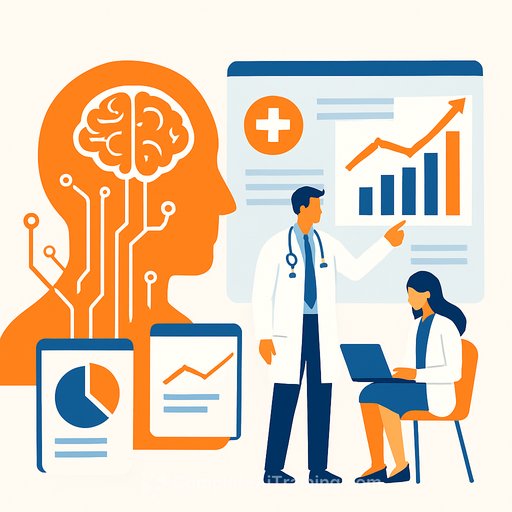
AI Automation Set to Transform Medical Affairs Leadership with Smarter Data Management
Artificial intelligence (AI) is increasingly becoming a key factor in healthcare, especially within medical affairs leadership. As data-driven decision-making gains priority, AI automation offers clear advantages in boosting efficiency and sharpening the accuracy of insights.
Streamlined Data Management
AI tools can handle large volumes of data quickly, allowing medical affairs teams to access and analyze information without delays. Automating routine data tasks frees leaders to focus on strategic priorities that add real value to their organizations. Faster and more precise data processing leads to better-informed decisions.
Enhanced Collaboration Across Teams
AI-powered platforms improve collaboration by enabling real-time data sharing and communication among different departments. This ensures all stakeholders stay aligned, helping medical affairs teams develop more unified and effective strategies.
Leveraging Predictive Analytics
Predictive analytics is one of AI’s most valuable features for medical affairs. By examining past data and identifying trends, AI helps anticipate future challenges and opportunities. This foresight allows leaders to act proactively, optimizing their plans and responses ahead of time.
Conclusion
Adopting AI automation equips medical affairs leadership with faster data handling, improved team collaboration, and forward-looking insights. These capabilities position organizations to perform better in a competitive healthcare environment.
For management professionals interested in practical AI applications, exploring targeted courses can provide the skills needed to implement these technologies effectively. Visit Complete AI Training for a selection of courses tailored to leadership roles.
Your membership also unlocks: