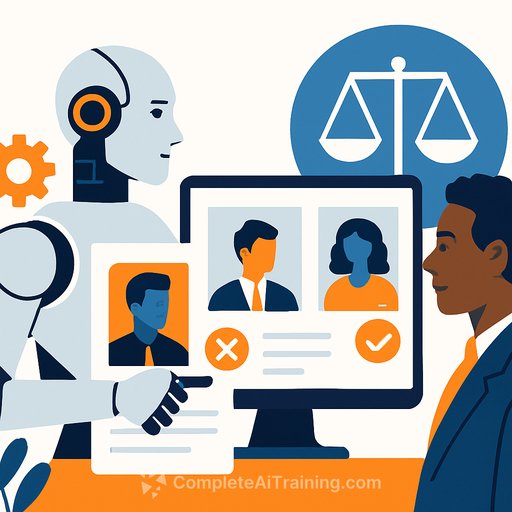
AI Bias in Hiring Is an HR Challenge, Not Just a Tech Problem
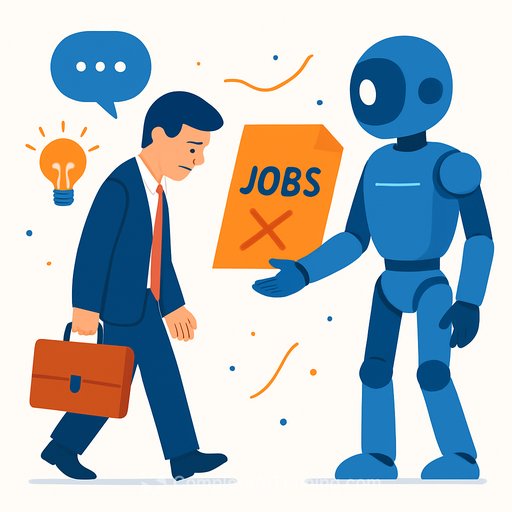
AI tools have changed how companies hire by speeding up decisions and cutting down administrative work. They also promise objectivity. But that promise doesn’t always hold true. Because AI systems learn from past hiring data, any existing biases—whether conscious or unconscious—get baked into the algorithms. A well-known example: Amazon scrapped its AI recruiting tool after it showed a clear preference for male candidates.
Many HR teams see AI bias as a technical glitch. It’s not. Engineers build the tools, but AI learns patterns from the data it’s given. That means HR must set clear standards and define what success looks like. Without this, old biases will just repeat themselves.
Why HR Must Lead on AI Bias
AI bias rarely appears as a dramatic system failure. More often, it’s subtle: a qualified candidate gets rejected because they took a career break, attended a nontraditional school, or simply described their experience differently. These aren’t red flags—they’re signs of diverse backgrounds. But AI tools without clear guidance often penalize these differences, shrinking your talent pool and reinforcing sameness.
Bias in hiring isn’t just an ethical problem. It also affects business results. Diverse and inclusive teams outperform others, fill knowledge gaps, and make better decisions. When hiring feels unfair, employees lose trust. That damages company culture, morale, and reputation. Fair hiring isn’t optional—it’s a business imperative. HR teams must teach AI tools what fairness means.
Four Actions HR Can Take to Reduce AI Bias
There’s a big gap in AI governance at companies today. McKinsey’s recent global survey found only 13% of companies have AI compliance specialists, and even fewer have ethics teams. HR can step up with these practical steps:
- Audit AI tools regularly. Don’t just check if the tool works technically. Look at its impact. Are certain groups consistently screened out? Regular audits reveal hidden biases.
- Ensure diverse training data. Collaborate with tech teams to include varied, representative candidate profiles. Biased data means biased AI.
- Be transparent with candidates. Clearly communicate if AI plays a role in decision making. Explain how applications are evaluated and emphasize your commitment to fairness.
- Keep humans involved. AI should assist, not decide alone. Human reviewers catch nuance and context algorithms miss.
Final Thoughts
AI bias in hiring isn’t a technical bug to fix; it’s a systemic risk HR must own. Hiring teams are best placed to create a fair, accountable, and human-centered process—even when AI is involved. Take control and lead the change.
Your membership also unlocks: