How to think about the current AI craze compared to past bubbles
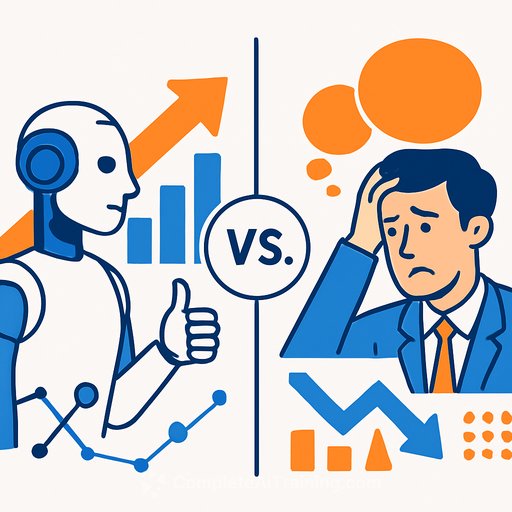
Is AI a bubble, or the next durable driver of returns? The honest answer sits in the middle. The narrative is ahead of the numbers in some places, and behind in others. Your job is to separate signal from story before the cycle does it for you.
What echoes from the dot-com era - and what's different
- Real utility, uneven profits: The internet boom built lasting infrastructure, even as many firms went to zero. AI looks similar: clear utility, but profits will skew to a minority of players.
- Capex first, productivity later: Big buildouts come before broad efficiency gains. Expect lags between spending and measurable cash flow benefits.
- Index concentration risk: A small set of mega caps carry most AI expectations. That concentration boosts returns on the way up and increases drawdown risk if growth disappoints.
The investor playbook: focus on cash flows, not slogans
- Underwrite with unit economics: For AI software, track incremental ACV from AI add-ons, adoption rates, and net revenue retention. For infrastructure, track utilization, pricing, and depreciation schedules.
- Watch the cost curve: Training and inference costs should trend down over time. Falling cost per token or per query with stable or rising gross margin is a green flag.
- Follow the budget trail: If customers aren't reallocating real budgets to AI (not pilots), the revenue won't stick.
- Size positions to fiction risk: Theme-driven names move together on headlines. Don't let correlation masquerade as diversification.
Operating executives: demand proof of ROI
- Pick problems with short payback: Start with use cases where you can measure time saved, error reduction, or conversion lift. Tie projects to a line item in the P&L.
- Control inference spend: Put guardrails on usage, caching, and model selection. The cheapest adequate model often beats the fanciest one.
- Negotiate flexibility: Avoid lock-in on capacity and pricing. Seek clear exit ramps, data ownership terms, and portability for models and embeddings.
Leading indicators worth tracking
- AI-attributed revenue disclosure: Look for clean breakouts, not vague mentions.
- Capex and returns: Hyperscaler data center capex is useful only if future ROIC exceeds funding costs.
- Productivity data: Sustained gains should show up beyond anecdotes. Keep an eye on BLS labor productivity.
- Energy and supply constraints: Data center electricity and component bottlenecks can cap growth or compress margins. The IEA's data centre tracking is a helpful pulse check.
Where bubbles form
- Story stocks without revenues: Grand claims, weak bookings, and shifting metrics.
- Multiple expansion without operating leverage: Sales up, margins flat or worse.
- Copycat rebrands: Companies adding "AI" to decks with no product changes.
- Retail-fueled options spikes: Short-dated call activity outpacing fundamental news.
A simple portfolio framework
- Barbell the theme: Combine "picks-and-shovels" exposure (semis, memory, networking, cooling, electricity infrastructure) with proven software or platforms showing paid AI adoption. Keep a valuation discipline on both sides.
- Favor cash generative models: Free cash flow yields and pricing power in renewals matter more than headline growth.
- Use time as a risk tool: Stage entries around earnings, capex updates, and product releases instead of chasing gaps.
What could go right
- Deflation on compute: If efficiency gains outpace demand growth, inference gets cheaper and margins expand.
- Enterprise standardization: Clear patterns for model choice, data pipelines, and security lower friction and speed adoption.
- New categories: Net-new workflows and products create fresh budget rather than stealing from existing line items.
What could go wrong
- Cost bloat: Rising energy, memory, and networking costs offset model efficiency gains.
- Bottlenecks: Delays in data center buildouts or key components push out revenue.
- Regulatory drag: Compliance burdens slow deployment or add fixed costs.
Bottom line
Treat AI as a long runway with a choppy flight path. The upside is real, but so are the air pockets. Anchor decisions in cash flow, unit costs, and verifiable customer spend. Let narratives inform your pipeline, not your position sizing.
If you're evaluating practical tools for finance teams, here's a curated list of options worth reviewing: AI tools for Finance.
Get Daily AI News
Your membership also unlocks:
700+ AI Courses
700+ Certifications
Personalized AI Learning Plan
6500+ AI Tools (no Ads)
Daily AI News by job industry (no Ads)